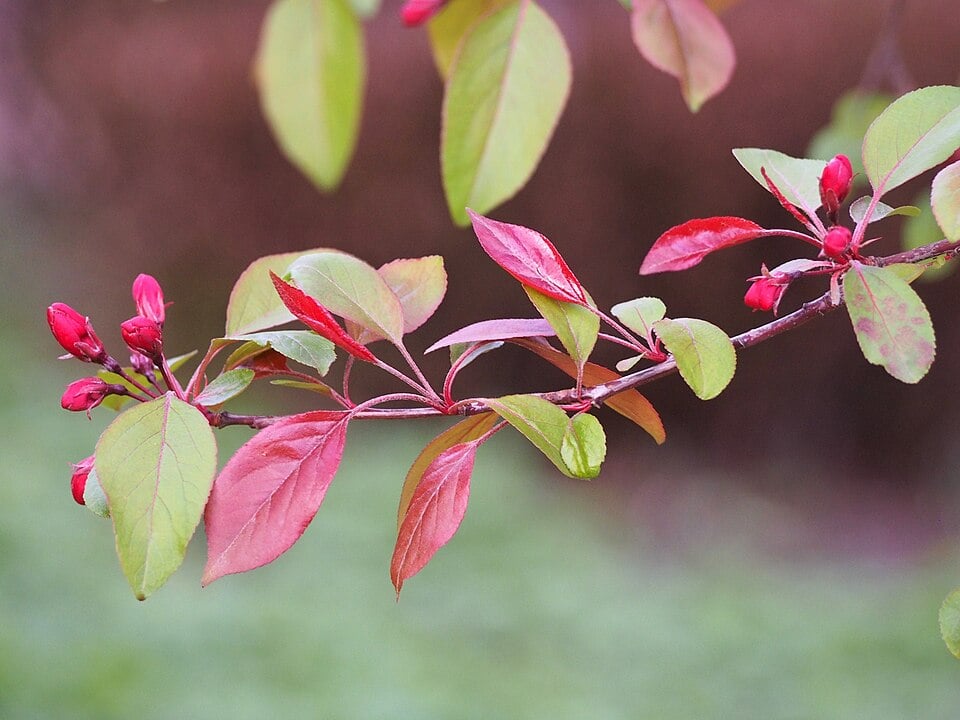
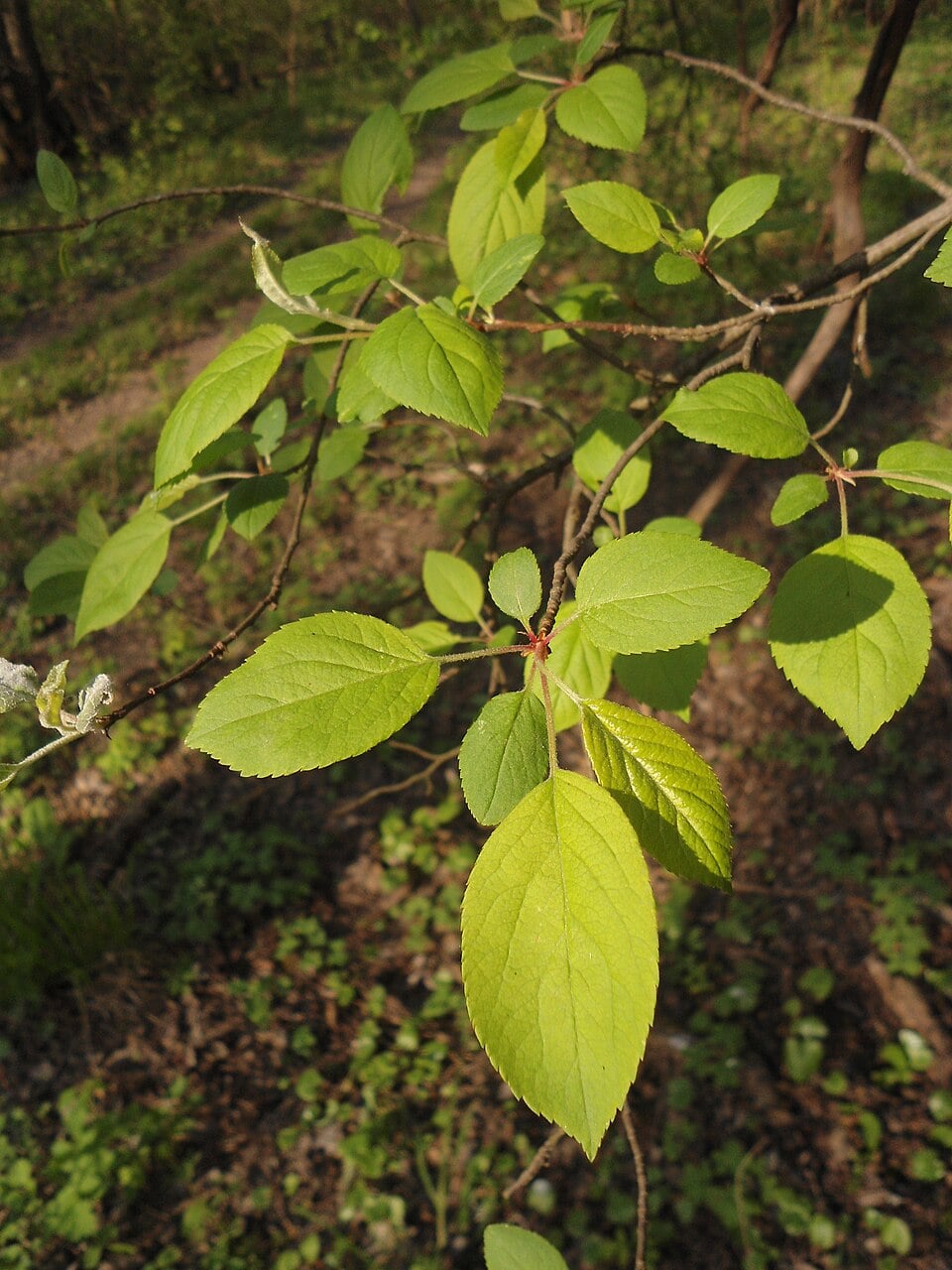
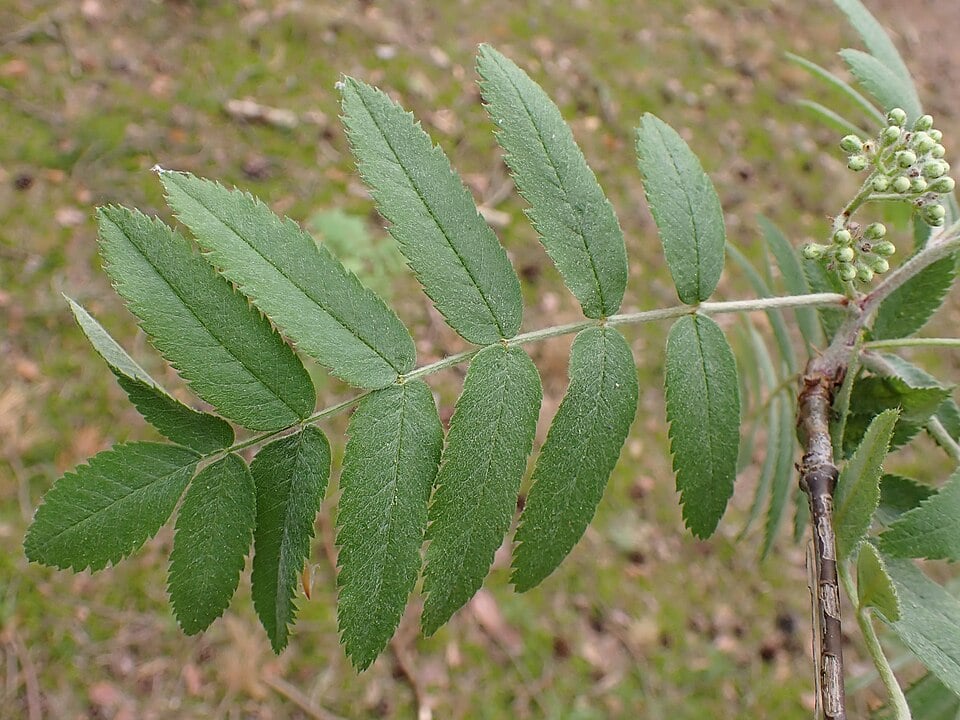
Leaf
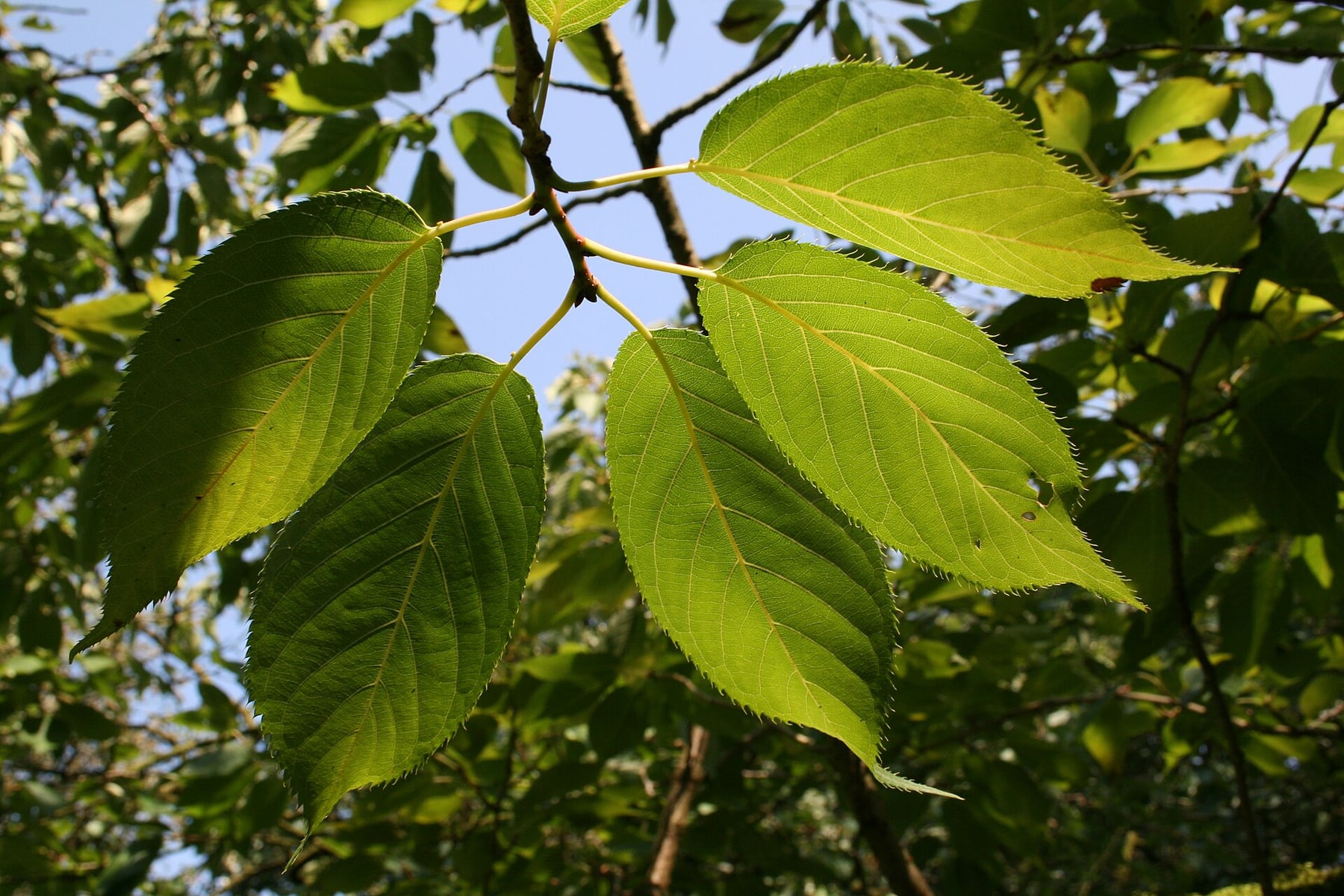
Franz Xaver, Wikimedia · CC BY-SA 3.0

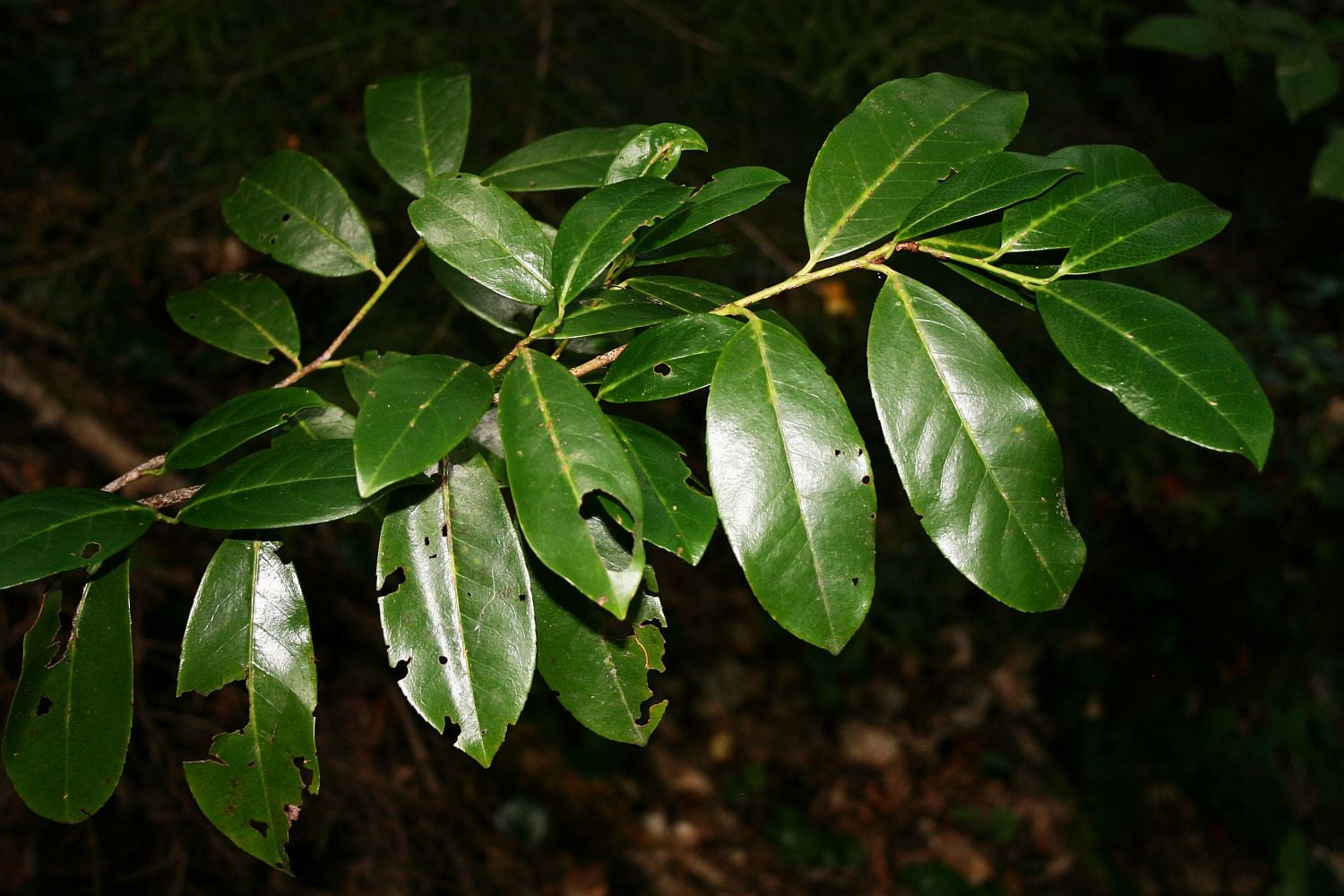
Cherry laurel

Prunus laurocerasus L.
Also known as: Common laurel
Family: Rosaceae
Telling Prunus (cherries, plums…) apart ›
  • 2 to 5 m tall, often clipped lower as a hedge
  • Evergreen hedges, gardens, all soils even limestone
  • Full sun, Part shade, Shade
  • Hardy to -20°C

In flower from April to May

2 months
See what flowers in:April ›May ›

❓ How do you recognise this plant?

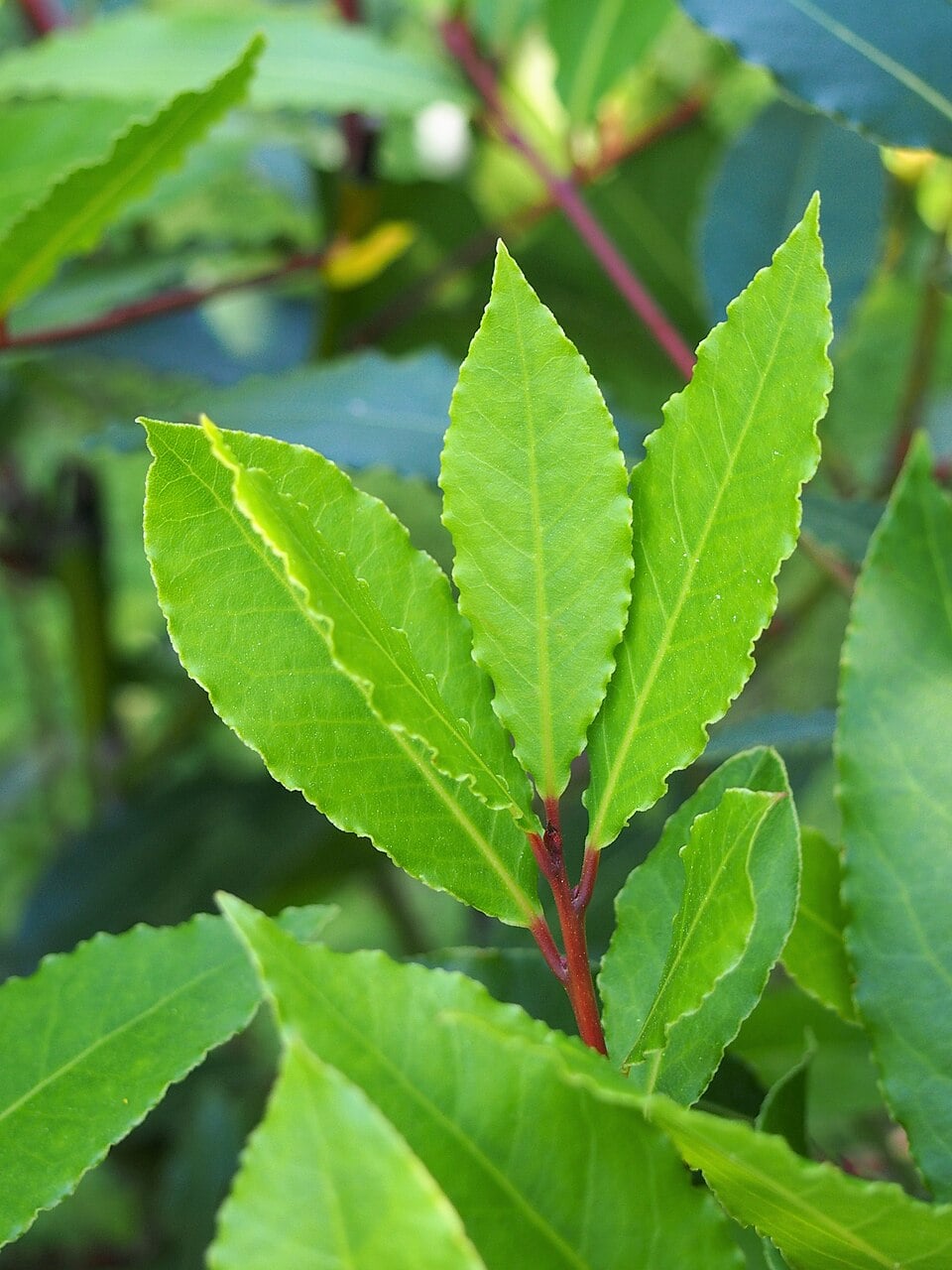
All parts of the plant, except the flesh of the ripe fruit, contain hydrogen cyanide and are toxic. Bay laurel has aromatic leaves used in cooking, without a bitter-almond smell, whereas cherry laurel leaves give off this characteristic (and toxic) smell when crushed — they are not related plants despite sharing a common name.
Learn to recognise it

The shrubs everyone knows. This plant is in the lesson “The shrubs everyone knows”, with 11 others.

Cherry laurel
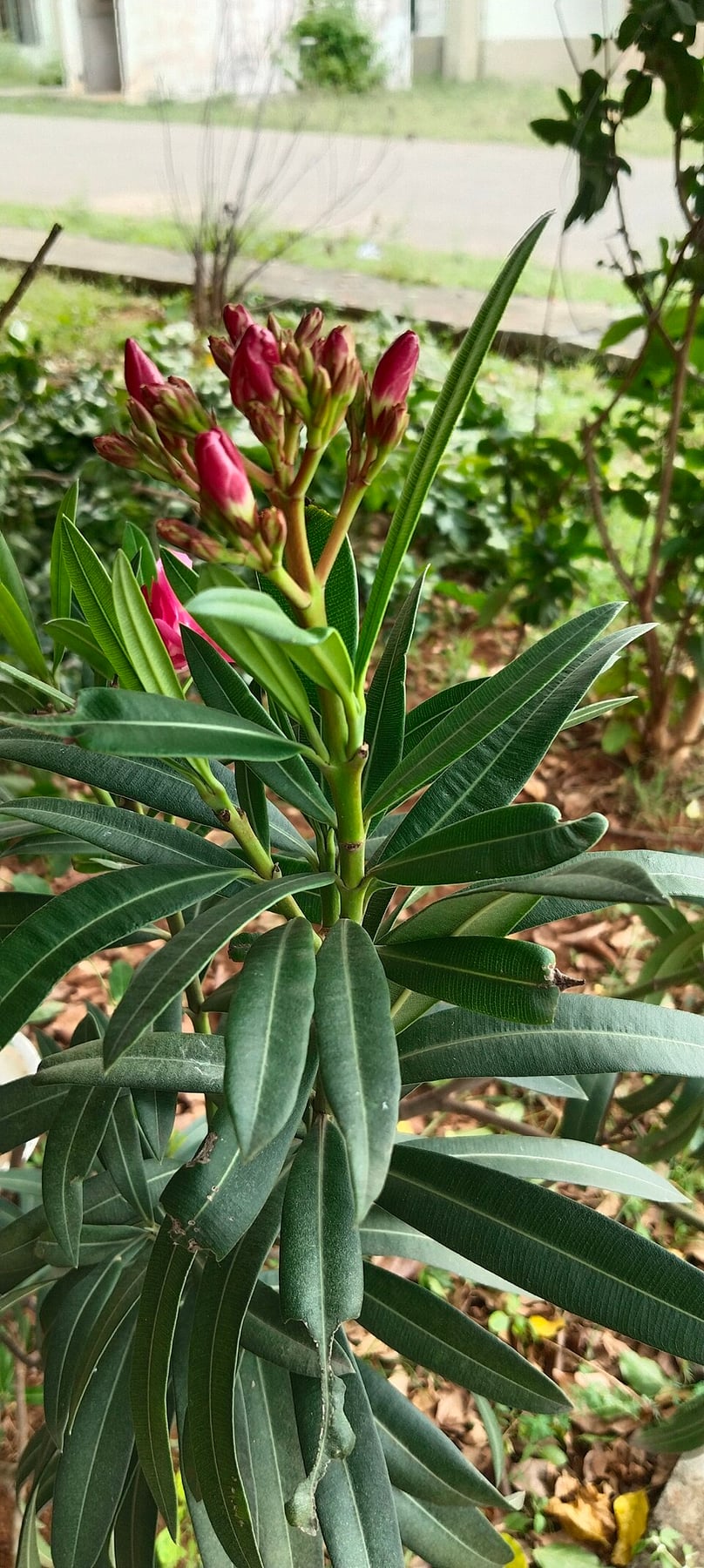
Oleander
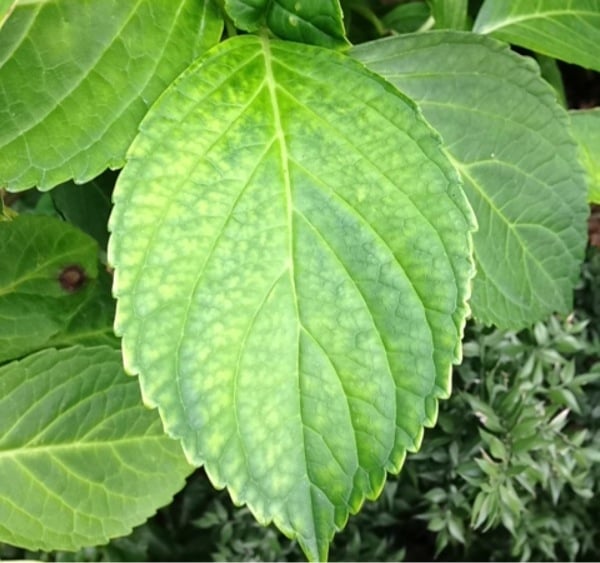
Bigleaf hydrangea
Common lilac
English lavender
+7

A free account is enough for this lesson.

🍃 Leaves
Evergreen, broad, ovate, leathery, very glossy dark green
🌸 Flowers
Small upright spikes of fragrant white flowers
🍎 Fruits
Small black drupes in clusters, toxic
🪵 Bark
Smooth grey-brown twigs
Distribution, pollinators, uses
🗺️ Distribution
Balkans, Asia Minor; very widely planted as a hedge in France, sometimes naturalised and invasive.
🐝 Value for pollinators
White flowering in upright clusters in spring, nectar-rich and visited by bees.
✂️ Horticultural uses
Very widely used as a clipped evergreen hedge, despite its invasive character in some natural habitats.

⚠️ Possible toxicity

All parts, especially the leaves and stones, very toxic (hydrogen cyanide); serious risk if ingested.

⚠️ Look-alike species

Cherry laurel
Cherry laurel
Prunus laurocerasus
Bay laurel
Bay laurel
Laurus nobilis

Bay laurel has aromatic leaves used in cooking, without a bitter-almond smell, whereas cherry laurel leaves give off this characteristic (and toxic) smell when crushed — they are not related plants despite sharing a common name.
See the full comparison →

ℹ️ Educational profile — do not use it to judge whether a plant is edible or safe.

🌱 This database is constantly evolving — species and information are added and corrected regularly. Spotted a mistake? Report it below.

© Floraneo — profile content is protected; reproduction without permission is prohibited. Photos remain under their own licence (see the credit shown on each photo).