Leaf
David J. Stang, Wikimedia · CC BY-SA 4.0
Catnip
Nepeta cataria L.
Family: Lamiaceae
40 to 80 cm tall
Gardens, banks, path edges, ordinary soils
Flowering: June – September
Full sun
Part shade
Hardy to -25°C
❓ How do you recognise this plant?
Its scent exerts an irresistible attraction on most cats, which love to roll in it. Both have an intense scent that attracts cats. Catnip has white flowers spotted with purple, whereas the cultivated catmint has denser, more decorative lavender-blue spikes.
🍃 Leaves
Oval, toothed, grey-green, downy, very aromatic
🌸 Flowers
Small spikes of spotted white-mauve flowers
🍎 Fruits
Small dry achenes
🪵 Bark
Upright herbaceous stems, clump-forming habit
🗺️ Distribution
Europe, temperate Asia; present but fairly localised on wasteland and path edges in France.
🐝 Value for pollinators
Pale mauve spikes rich in nectar, among the most visited by bees and bumblebees all summer.
✂️ Horticultural uses
Edging, aromatic perennial borders, cat gardens; fragrant silvery foliage.
⚠️ Possible toxicity
No known toxicity to humans; attractant substance (nepetalactone) for cats, harmless to them in moderate use.
⚠️ Look-alike species
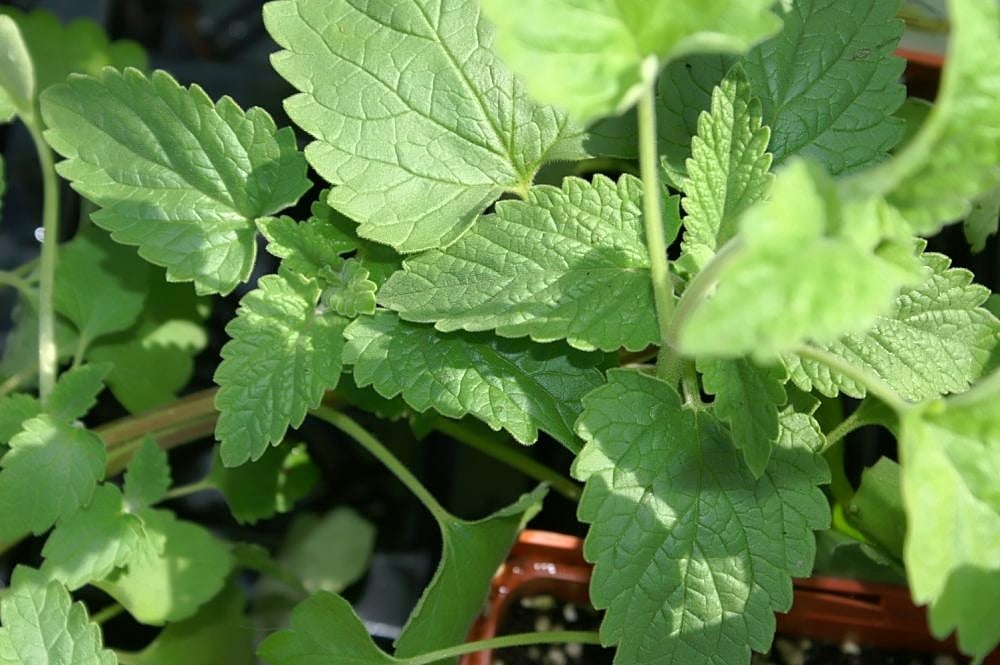
Catnip
Nepeta cataria
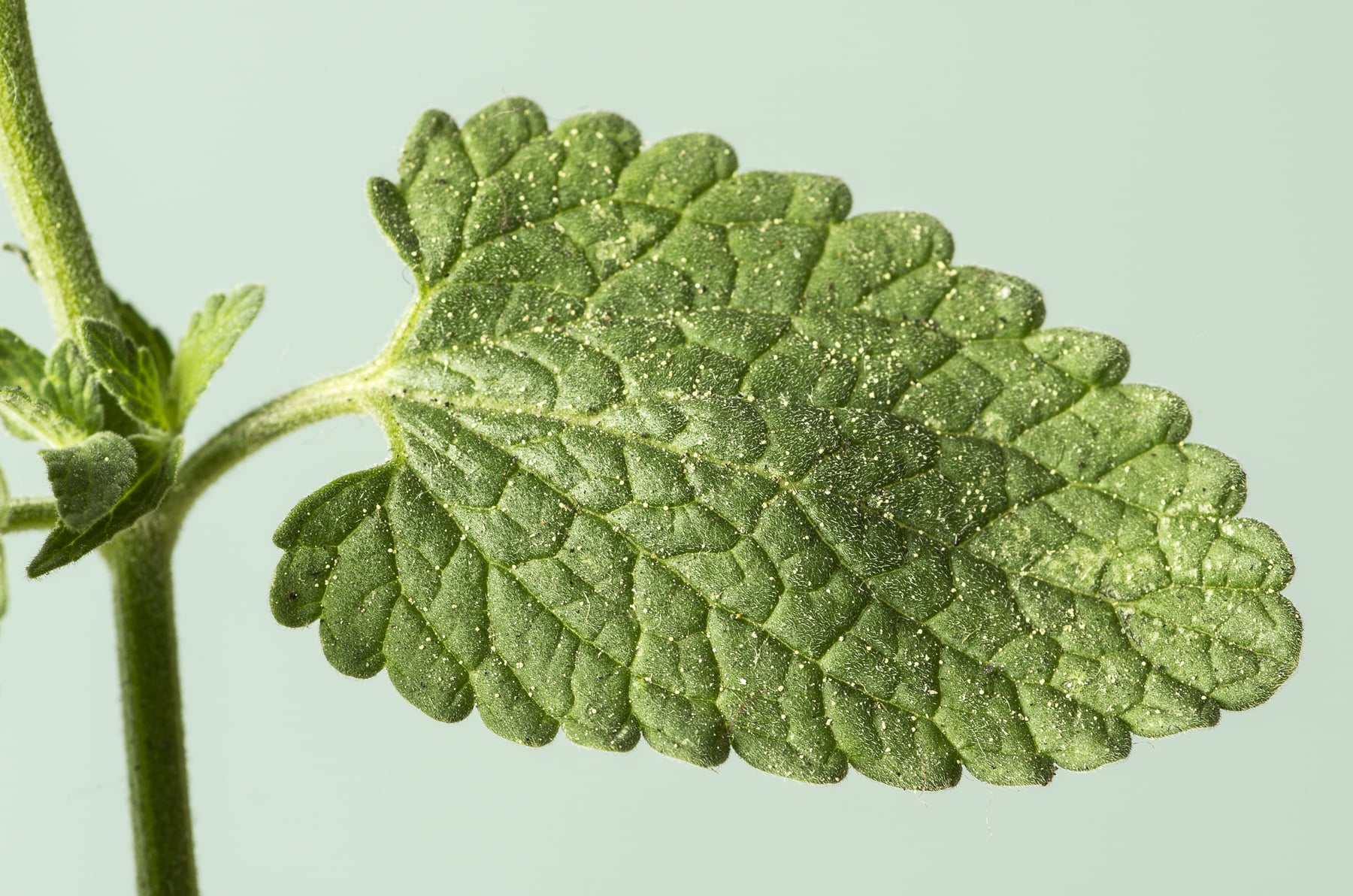
Catmint
Nepeta x faassenii
Both have an intense scent that attracts cats. Catnip has white flowers spotted with purple, whereas the cultivated catmint has denser, more decorative lavender-blue spikes.
🌿 Other Lamiaceae to discover


ℹ️ Educational profile — do not use it to judge whether a plant is edible or safe.
🌱 This database is constantly evolving — species and information are added and corrected regularly. Spotted a mistake? Report it below.
© Floraneo — profile content is protected; reproduction without permission is prohibited. Photos remain under their own licence (see the credit shown on each photo).