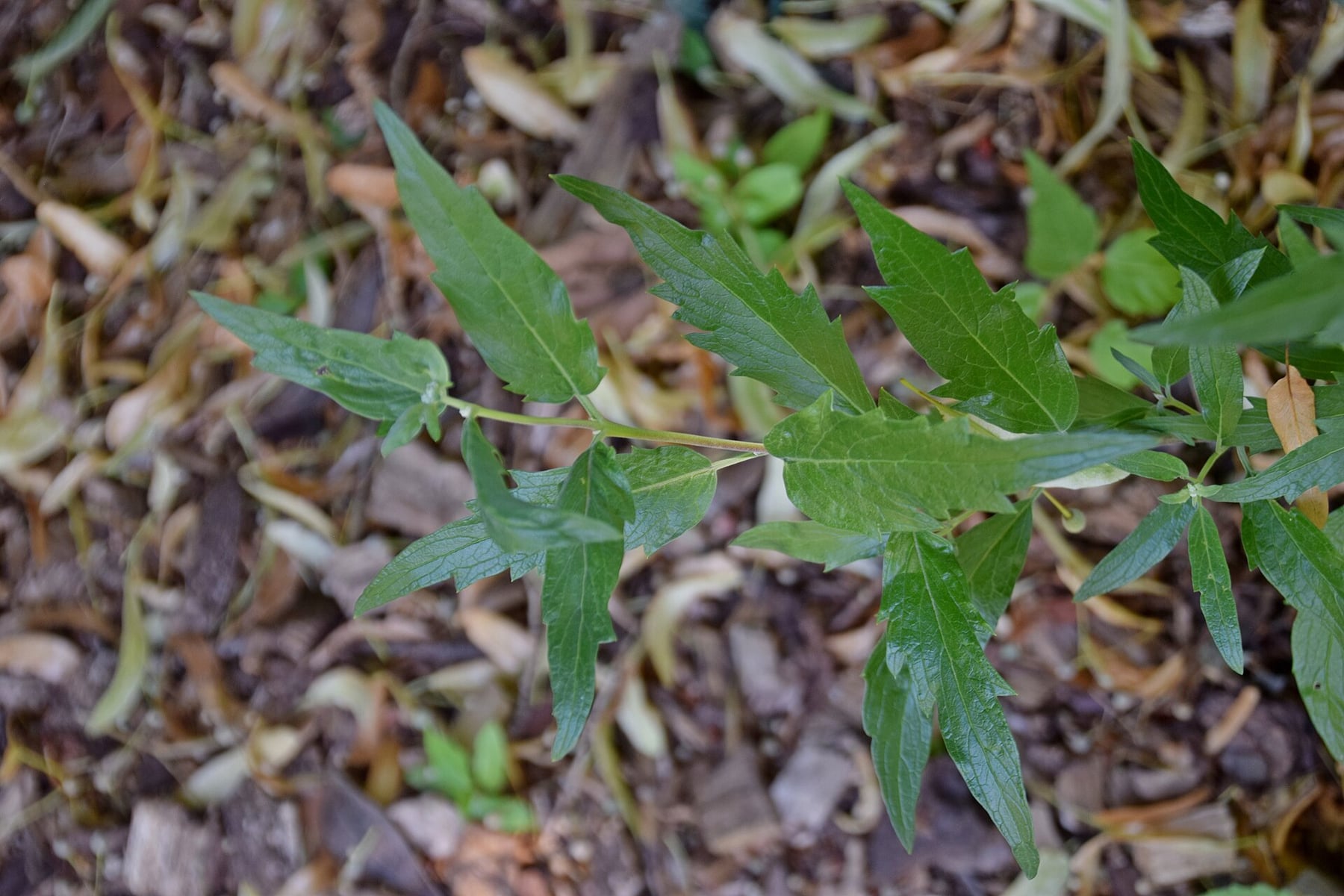
Leaf
Jean-Jacques Houdré, Tela Botanica · CC BY-SA 2.0
Catmint
Nepeta × faassenii Bergmans ex Stearn
Also known as: Faassen's catmint, Nepeta
Family: Lamiaceae
- 30 to 45 cm tall
- Planted in sunny borders and beds, ordinary well-drained soils
- Full sun
- Very hardy, to about -20°C
In flower from May to September
5 monthsVery long flowering
❓ How do you recognise this plant?
Like most catmints, this hybrid gives off a scent that provokes a characteristic euphoric reaction in domestic cats, which readily come to roll in it — a behaviour due to the nepetalactone contained in its foliage. Both have an intense scent that attracts cats. Catnip has white flowers spotted with purple, whereas the cultivated Nepeta × faassenii has denser, more decorative lavender-blue spikes.
Learn to recognise it
Sages, thymes and aromatic plants. This plant is in the lesson “Sages, thymes and aromatic plants”, with 10 others.
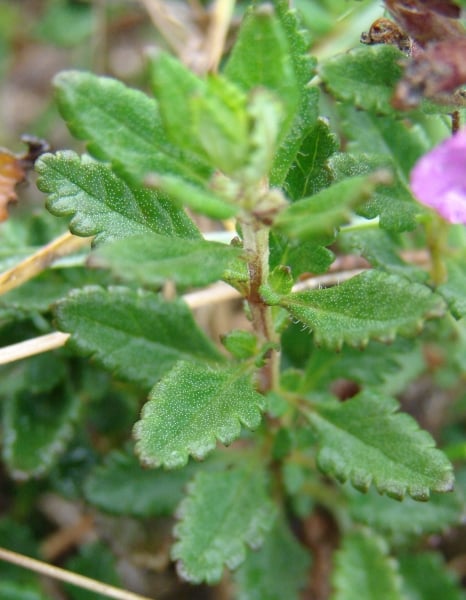
🍃 Leaves
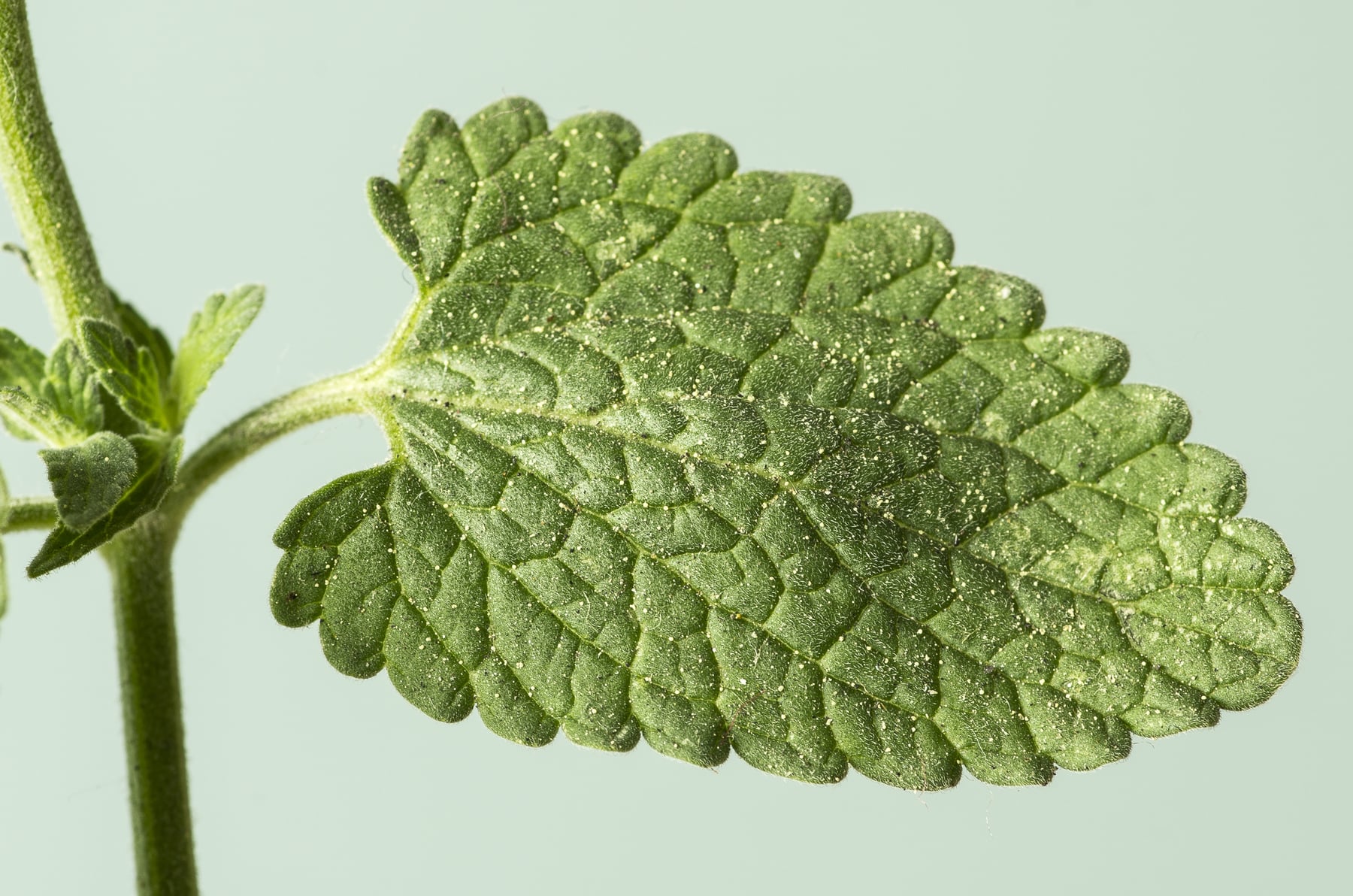
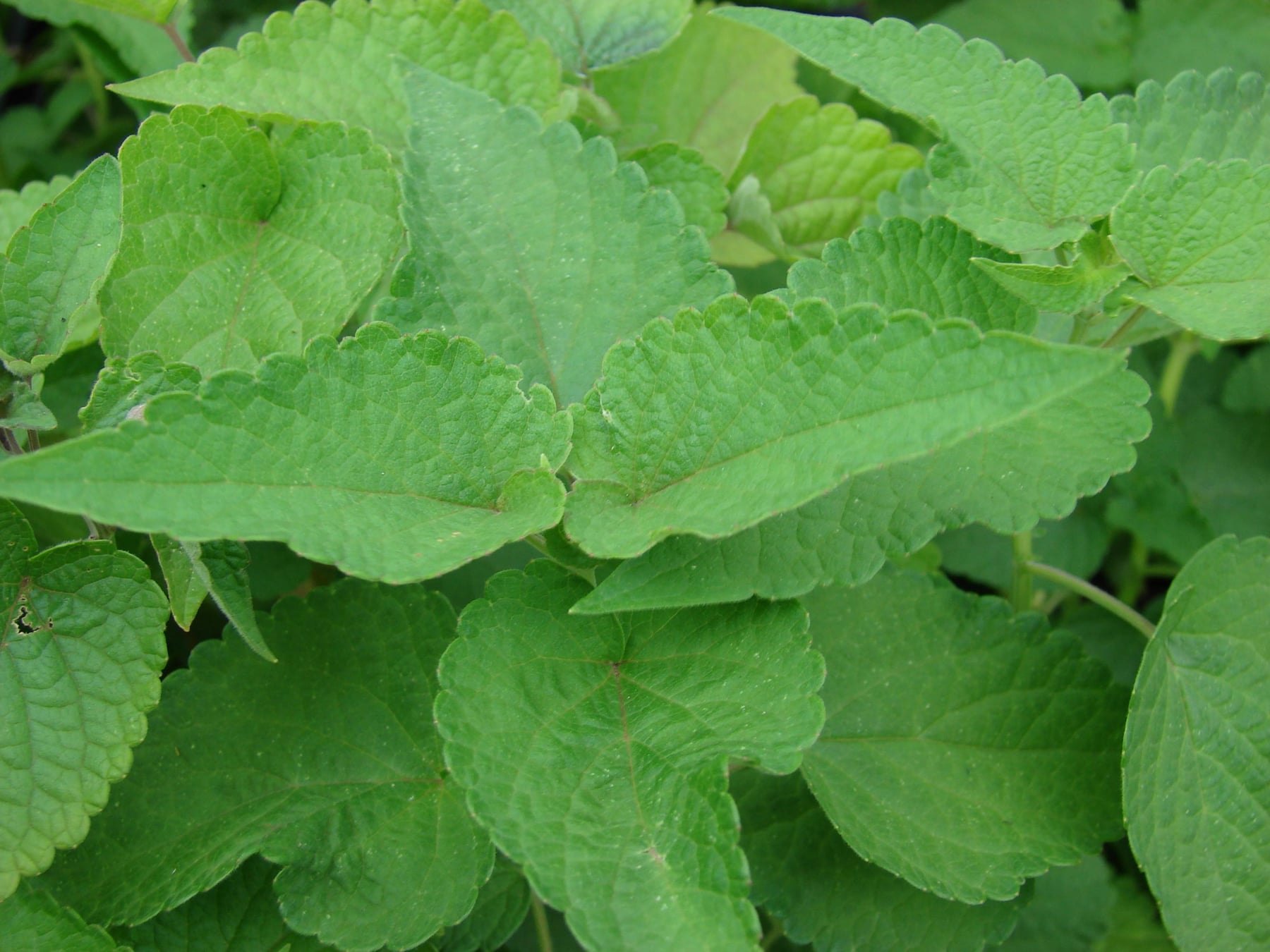
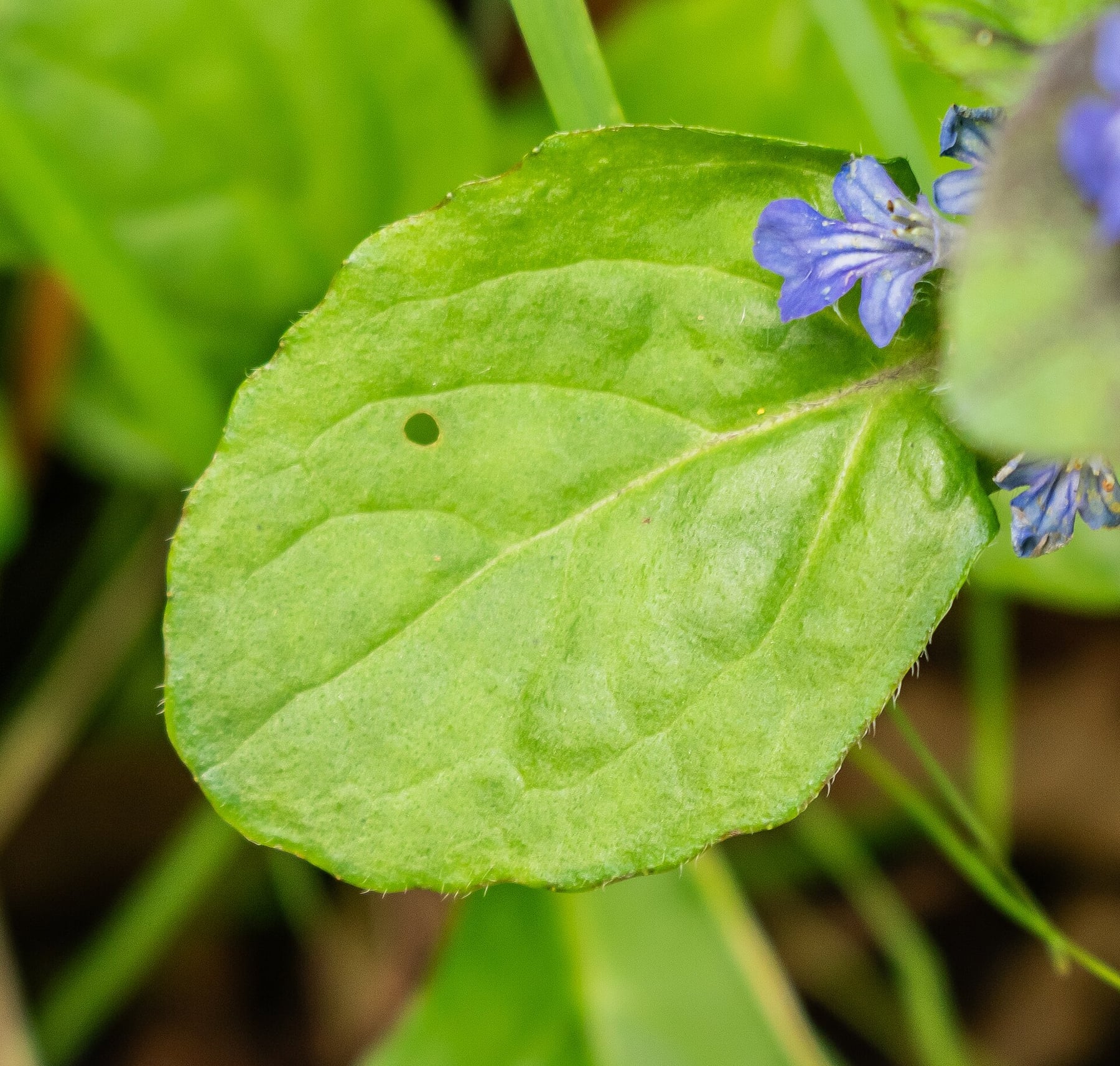
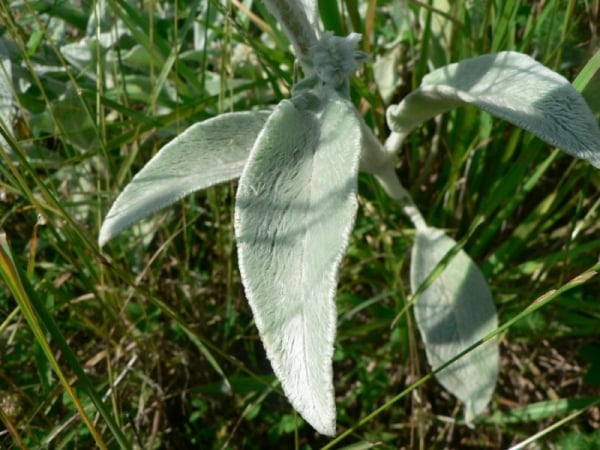
Grey, ovate, aromatic, giving off a characteristic smell that attracts cats
🌸 Flowers
Small, lavender-blue, grouped in light spikes all along the arching stems
🍎 Fruits
Small achene
🌿 Stem and habit
Perennial herbaceous clump, drooping stems
Distribution, pollinators, uses
🗺️ Distribution
Garden hybrid of Caucasian origin; very widely grown in France as a border perennial
🐝 Value for pollinators
Very long, nectar-rich flowering, one of the perennials most attractive to bees all summer
✂️ Horticultural uses
Very free-flowering border perennial, often used along the edge of a bed or vegetable garden, seeds itself little and reflowers if cut back after the first flush
⚠️ Possible toxicity
No known toxicity to humans; the smell of the foliage has a characteristic euphoric effect on cats
⚠️ Look-alike species
Catmint
Nepeta × faassenii
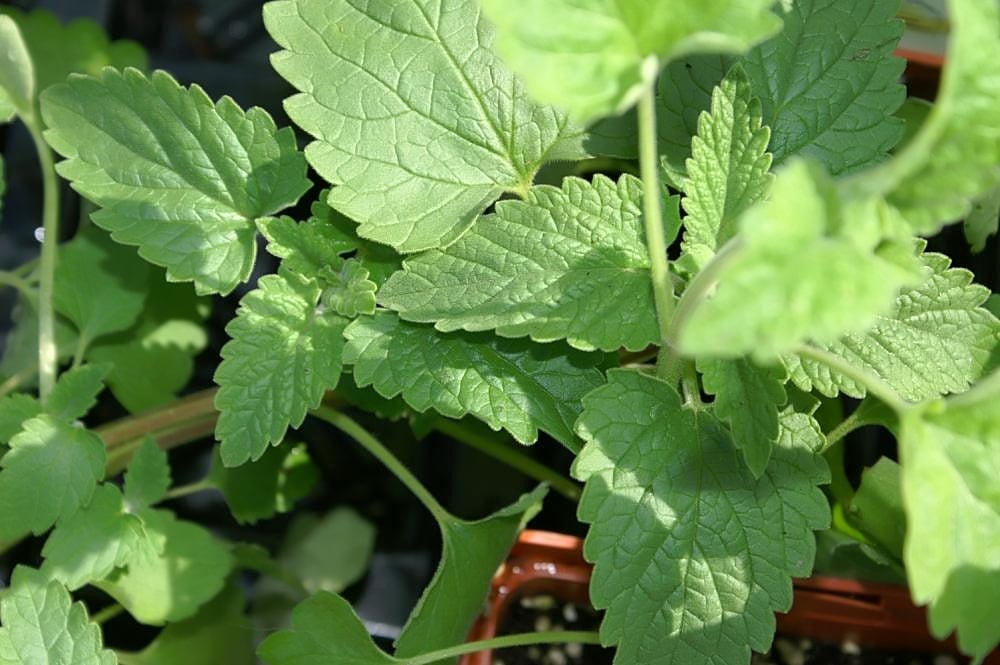
Catnip
Nepeta cataria
Both have an intense scent that attracts cats. Catnip has white flowers spotted with purple, whereas the cultivated Nepeta × faassenii has denser, more decorative lavender-blue spikes.
🌿 Other Lamiaceae to discover
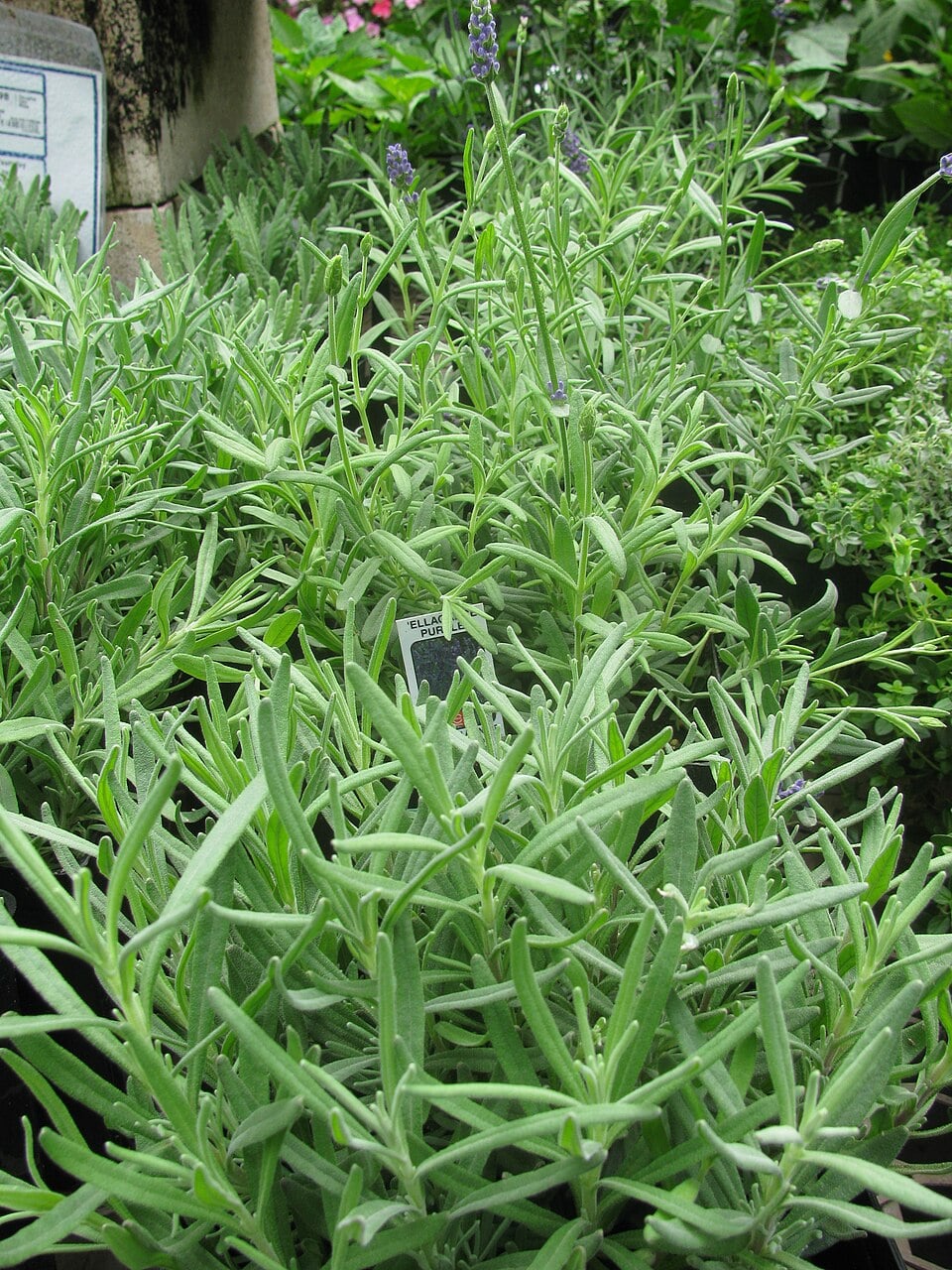
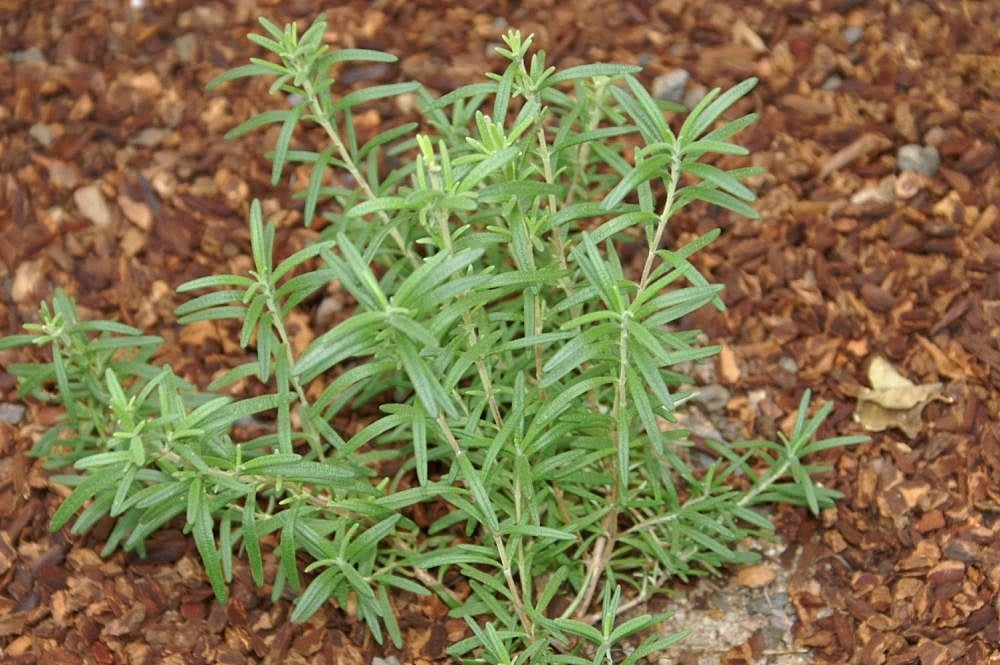
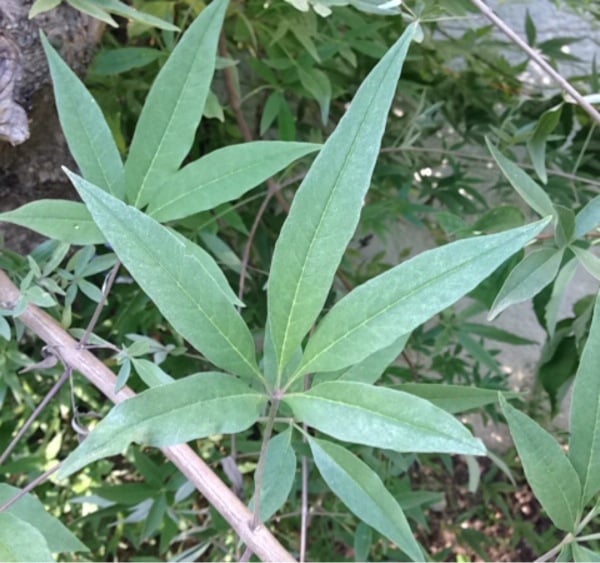
ℹ️ Educational profile — do not use it to judge whether a plant is edible or safe.
🌱 This database is constantly evolving — species and information are added and corrected regularly. Spotted a mistake? Report it below.
© Floraneo — profile content is protected; reproduction without permission is prohibited. Photos remain under their own licence (see the credit shown on each photo).