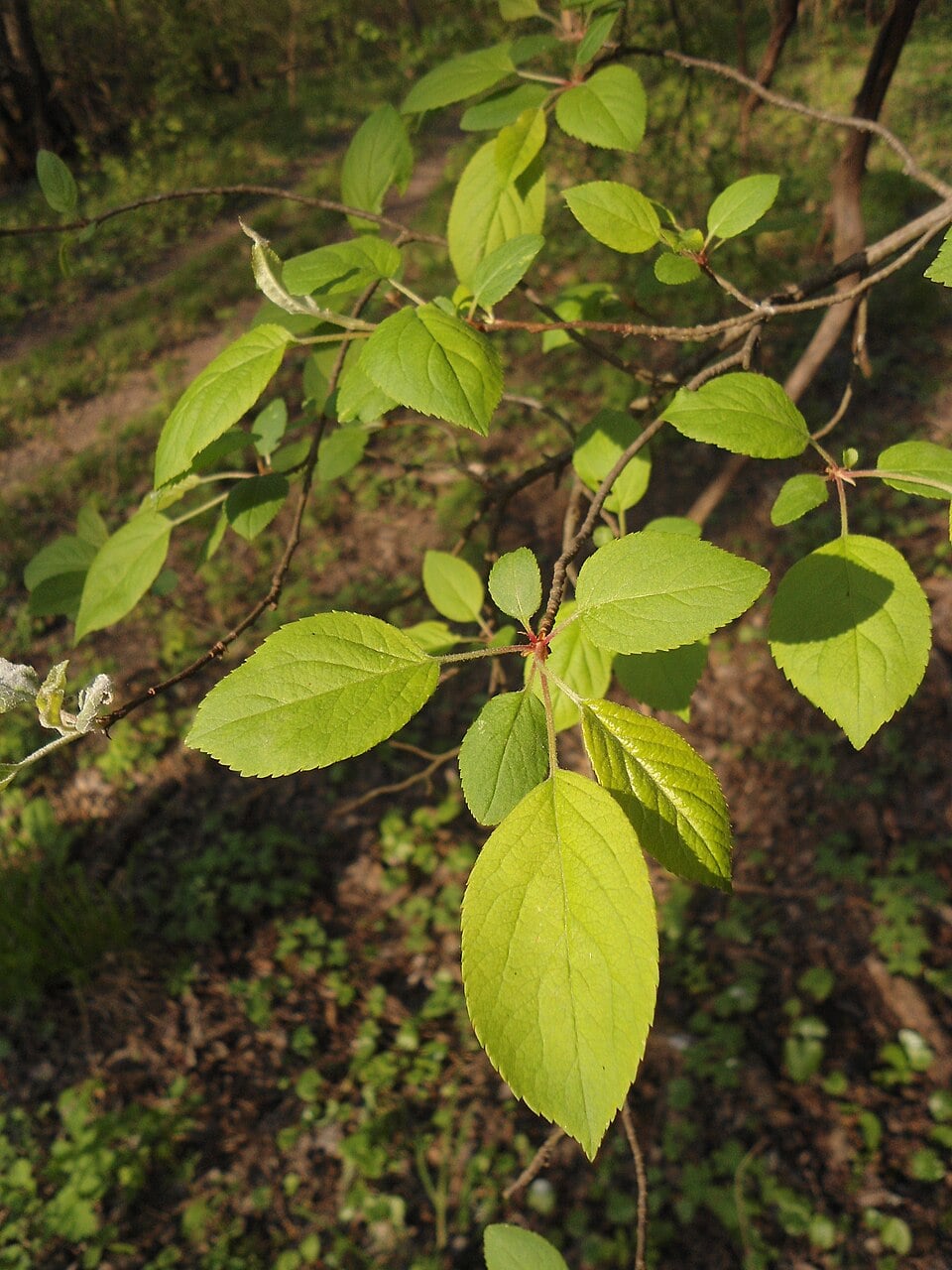
Leaf
Ввласенко, Wikimedia · CC BY-SA 4.0
Bird cherry
Prunus padus L.
Also known as: Hagberry, Mayday tree
Family: Rosaceae
3 to 10 m tall, as a tree or large multi-stemmed shrub
Damp woods, riverside woodland, cool hedges, also planted in parks and gardens
Flowering: April – May, with the leaves
Full sun
Part shade
Very hardy, to about -30°C
❓ How do you recognise this plant?
Its flowers and fruits are borne in long hanging racemes 10 to 15 cm long — a silhouette very different from the clusters or corymbs of the wild cherry, which otherwise looks very similar. The bird cherry (Prunus padus) shares with the wild cherry its brown-greyish bark and toothed oval leaves, but its flowers and fruits are gathered in long hanging racemes 10 to 15 cm long, whereas the wild cherry bears them in small clusters or corymbs. Its bark also gives off a characteristic bitter almond smell when cut.
🍃 Leaves
Ovate-pointed, finely toothed, 8 to 10 cm, with small nectar glands on the petiole
🌸 Flowers
White, very fragrant and rich in nectar, gathered in long hanging racemes 10 to 15 cm long (unlike the clusters or corymbs of other cherries)
🍎 Fruits
Small drupes in hanging racemes, red then glossy black when ripe, with red juice, harsh and astringent in flavour
🪵 Bark
Greyish to dark brown, giving off an unpleasant bitter almond smell when cut
🗺️ Distribution
Europe and northern Asia, as far as Japan; found in France mainly in the north, the east and mountain areas in damp woods and riverside woodland, rarer or even absent in the south and west
🐝 Value for pollinators
Long, very nectar-rich, fragrant racemes, among the most attractive Prunus blossoms for bees and other pollinating insects
✂️ Horticultural uses
Planted as a specimen or in a country hedge for its spectacular flowering in racemes and its orange to red autumn foliage; its fruits also feed birds
⚠️ Possible toxicity
Fruit flesh is not toxic but harsh and astringent, not very palatable raw; stones rich in cyanogenic glycosides (as in other Prunus), not to be eaten. The bark and leaves give off a characteristic bitter almond smell when damaged.
⚠️ Look-alike species
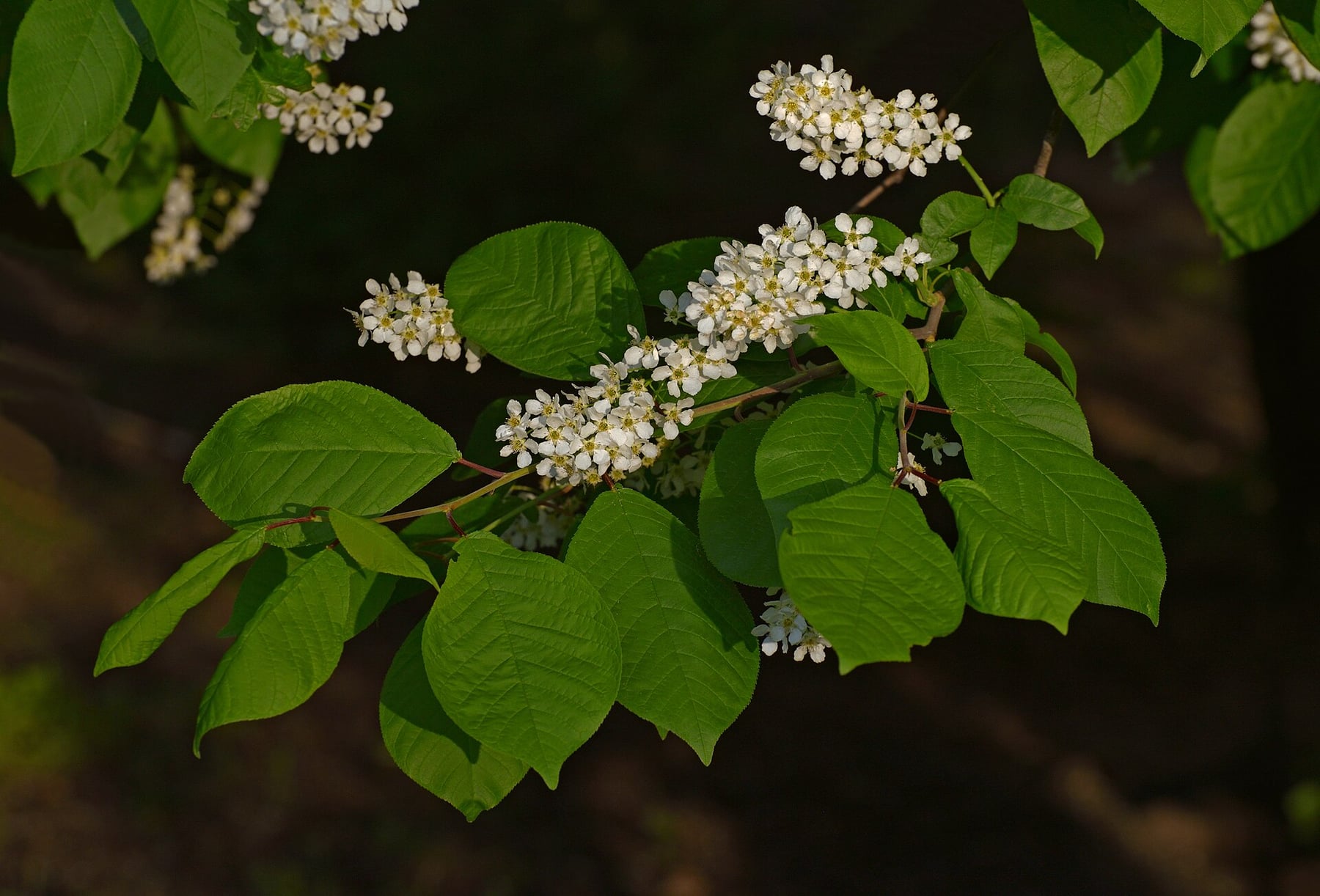
Bird cherry
Prunus padus
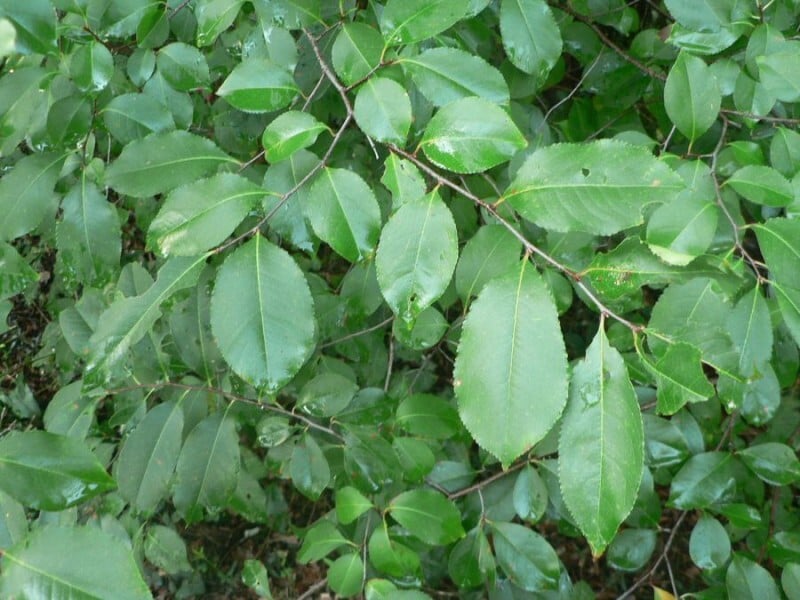
Wild cherry
Prunus avium
The bird cherry (Prunus padus) shares with the wild cherry its brown-greyish bark and toothed oval leaves, but its flowers and fruits are gathered in long hanging racemes 10 to 15 cm long, whereas the wild cherry bears them in small clusters or corymbs. Its bark also gives off a characteristic bitter almond smell when cut.
🌿 Other Rosaceae to discover
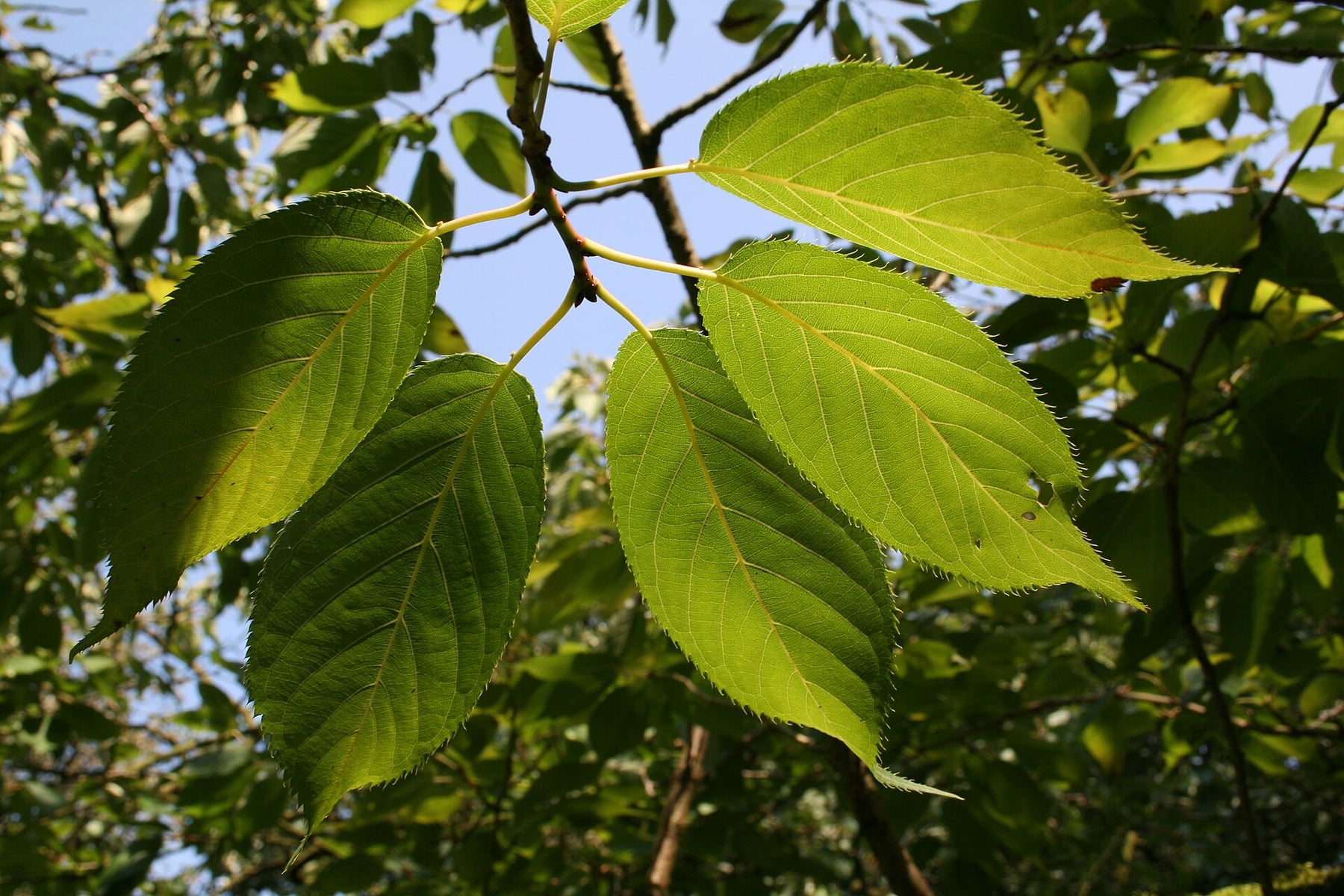
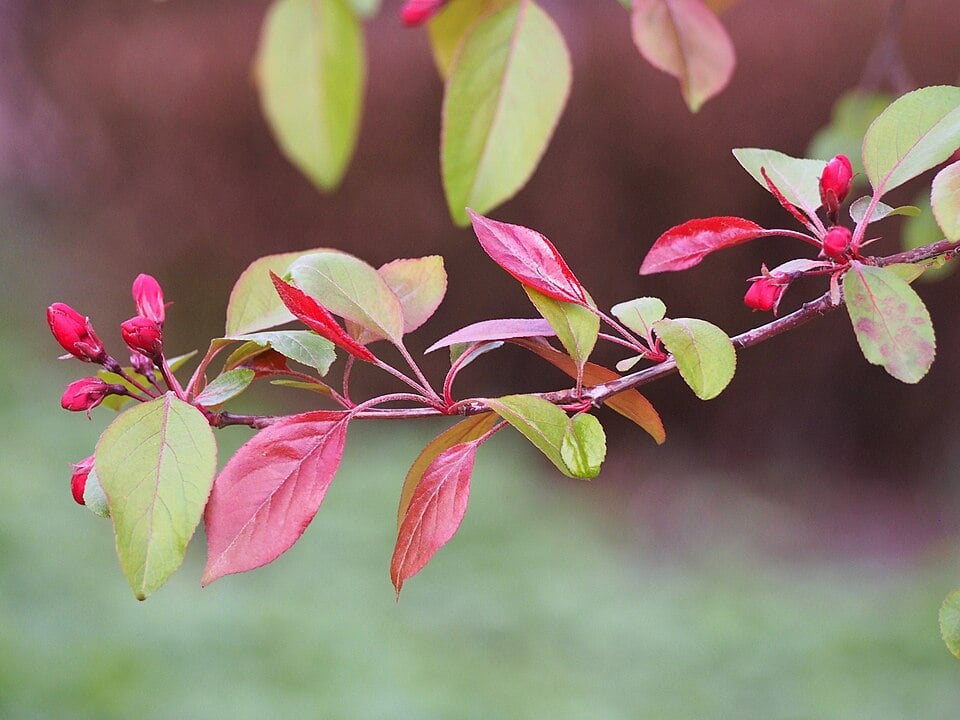
ℹ️ Educational profile — do not use it to judge whether a plant is edible or safe.
🌱 This database is constantly evolving — species and information are added and corrected regularly. Spotted a mistake? Report it below.
© Floraneo — profile content is protected; reproduction without permission is prohibited. Photos remain under their own licence (see the credit shown on each photo).