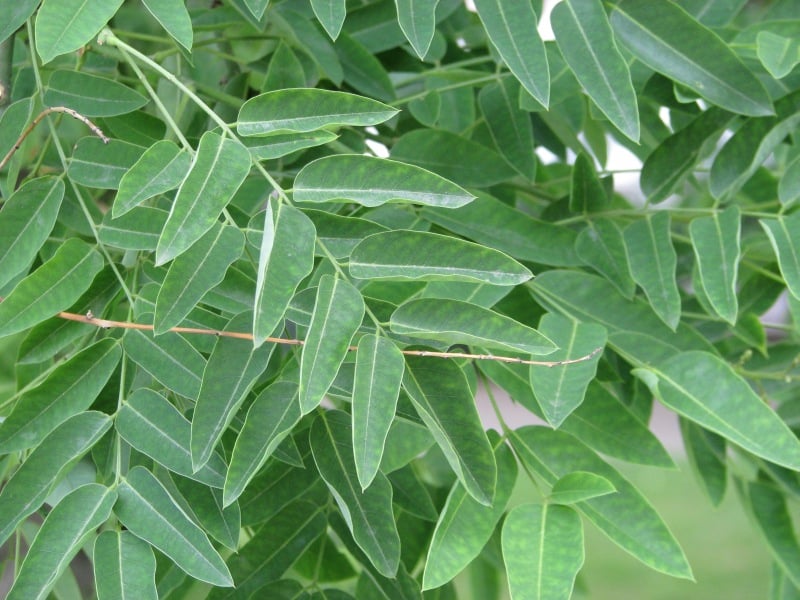
Leaf
Harry Rose, Wikimedia · CC BY-SA 2.0
Asparagus bean
Vigna unguiculata (L.) Walp.
Also known as: Yardlong bean, Cowpea, Black-eyed pea
Family: Fabaceae
- Climbing vine 2 to 4 m
- Grown in vegetable gardens in a warm climate, trellised or staked
- Full sun
- Not hardy, needs strong heat, grown as an annual
In flower from July to September
3 months❓ How do you recognise this plant?
The asparagus bean produces some of the longest pods in the plant kingdom, which can exceed 70 cm in some varieties — hence its nickname "yard-long bean", although it belongs to a different genus from the common bean.
Learn to recognise it
Rare and exotic vegetables. This plant is in the lesson “Rare and exotic vegetables”, with 8 others.
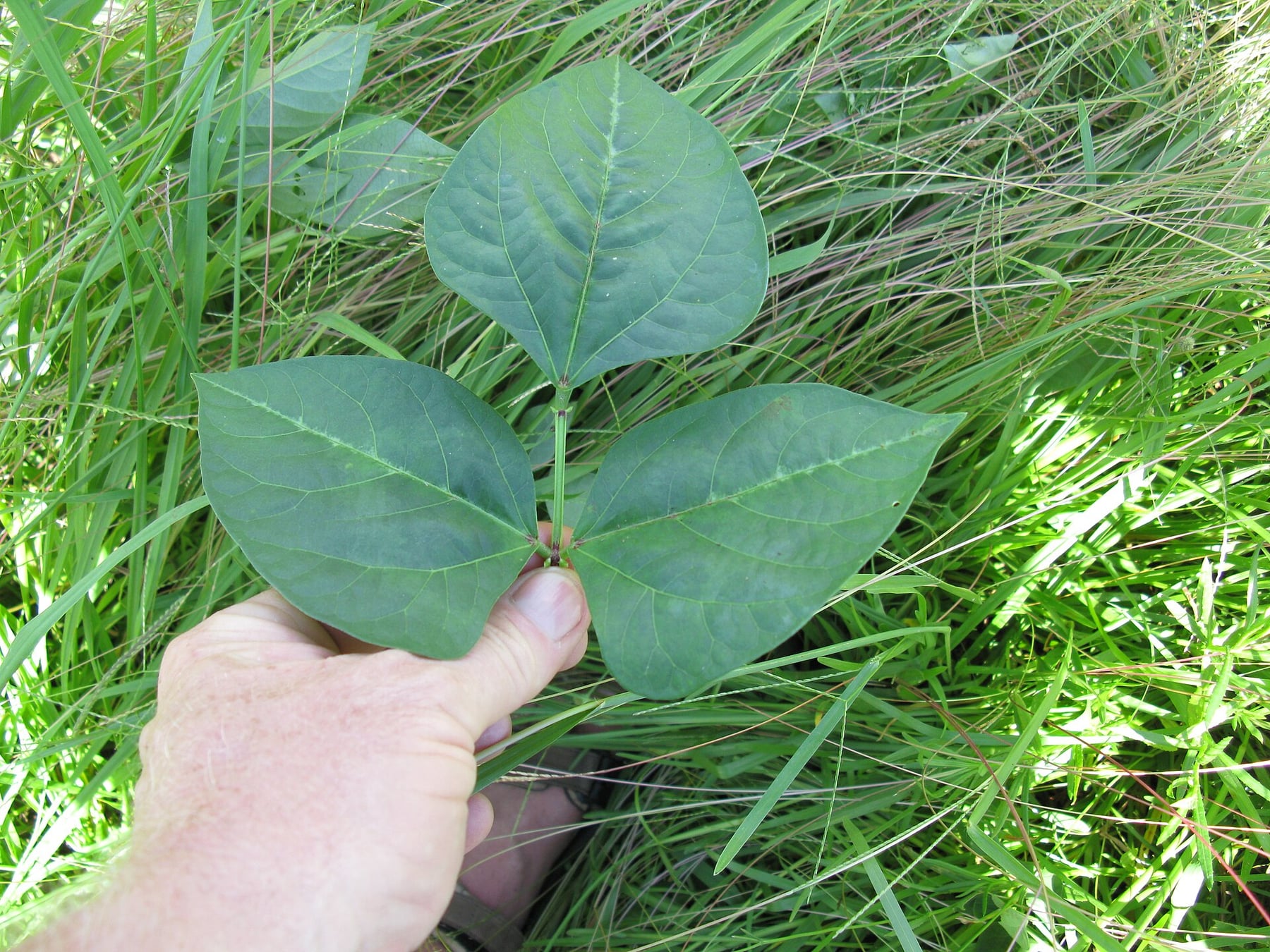


🍃 Leaves
Compound trifoliate, broad, bright green
🌸 Flowers
White to mauve, clustered, typical of the Fabaceae
🍎 Fruits
Very long, slender pod, which can exceed 70 cm in some varieties, green, yellow or purple depending on variety
🌿 Stem and habit
Herbaceous twining, climbing stem
Distribution, pollinators, uses
🗺️ Distribution
Native to Africa; grown in France in warm climates, notably in Asian gardens
🐝 Value for pollinators
Nectar-rich flowers visited by bees, promoting pod formation
✂️ Horticultural uses
Climbing vegetable that needs warmth, grown for its very long pods known as yard-long beans, typical of Asian cooking
⚠️ Possible toxicity
Pod edible cooked; no known toxicity
🌿 Other Fabaceae to discover
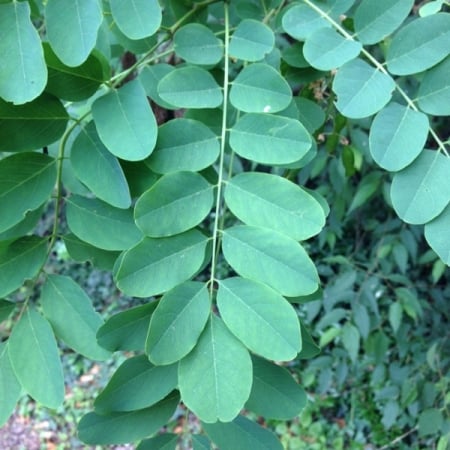
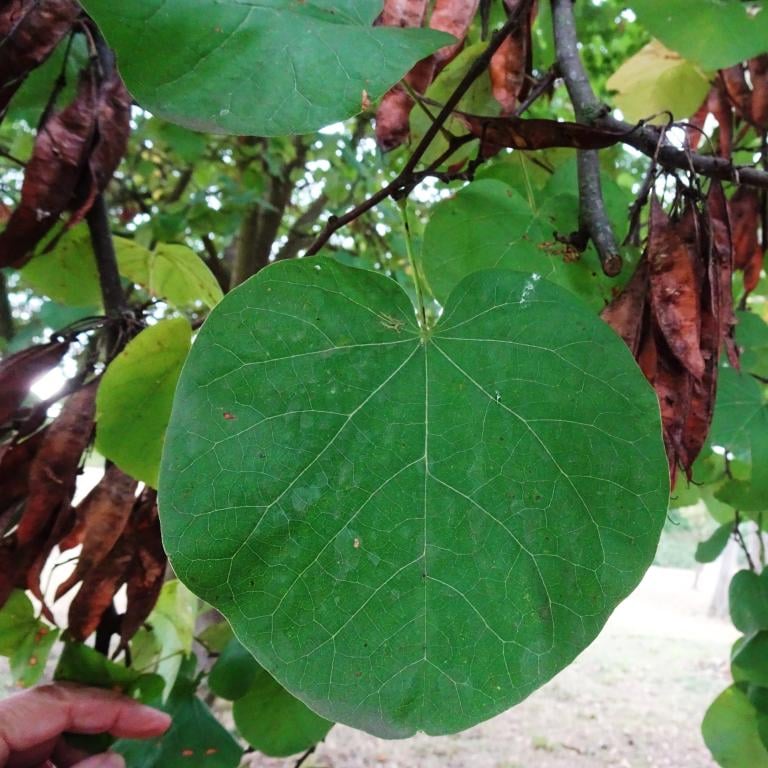
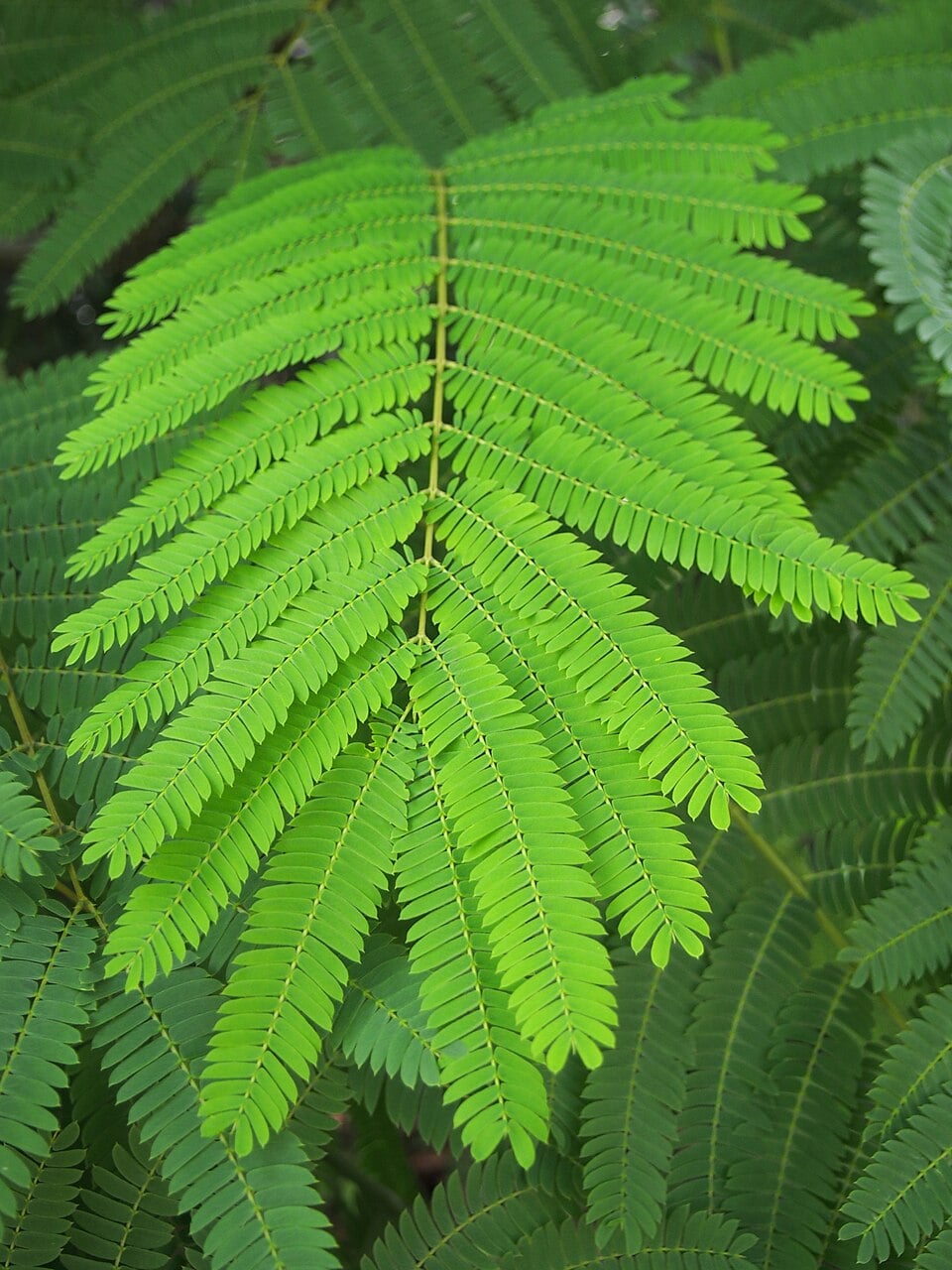
ℹ️ Educational profile — do not use it to judge whether a plant is edible or safe.
🌱 This database is constantly evolving — species and information are added and corrected regularly. Spotted a mistake? Report it below.
© Floraneo — profile content is protected; reproduction without permission is prohibited. Photos remain under their own licence (see the credit shown on each photo).