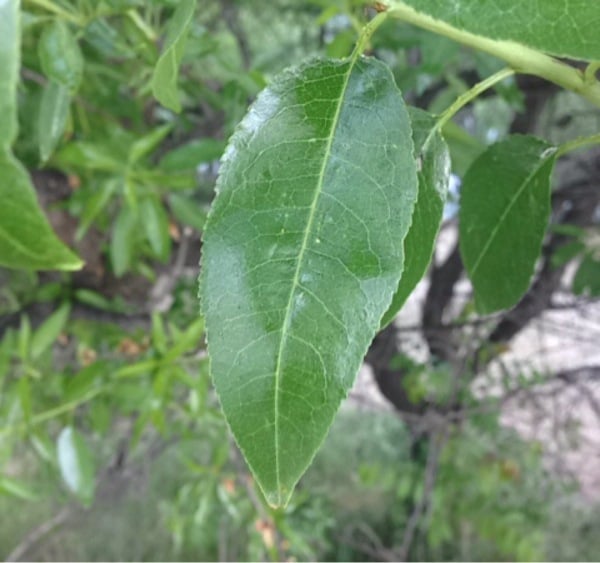
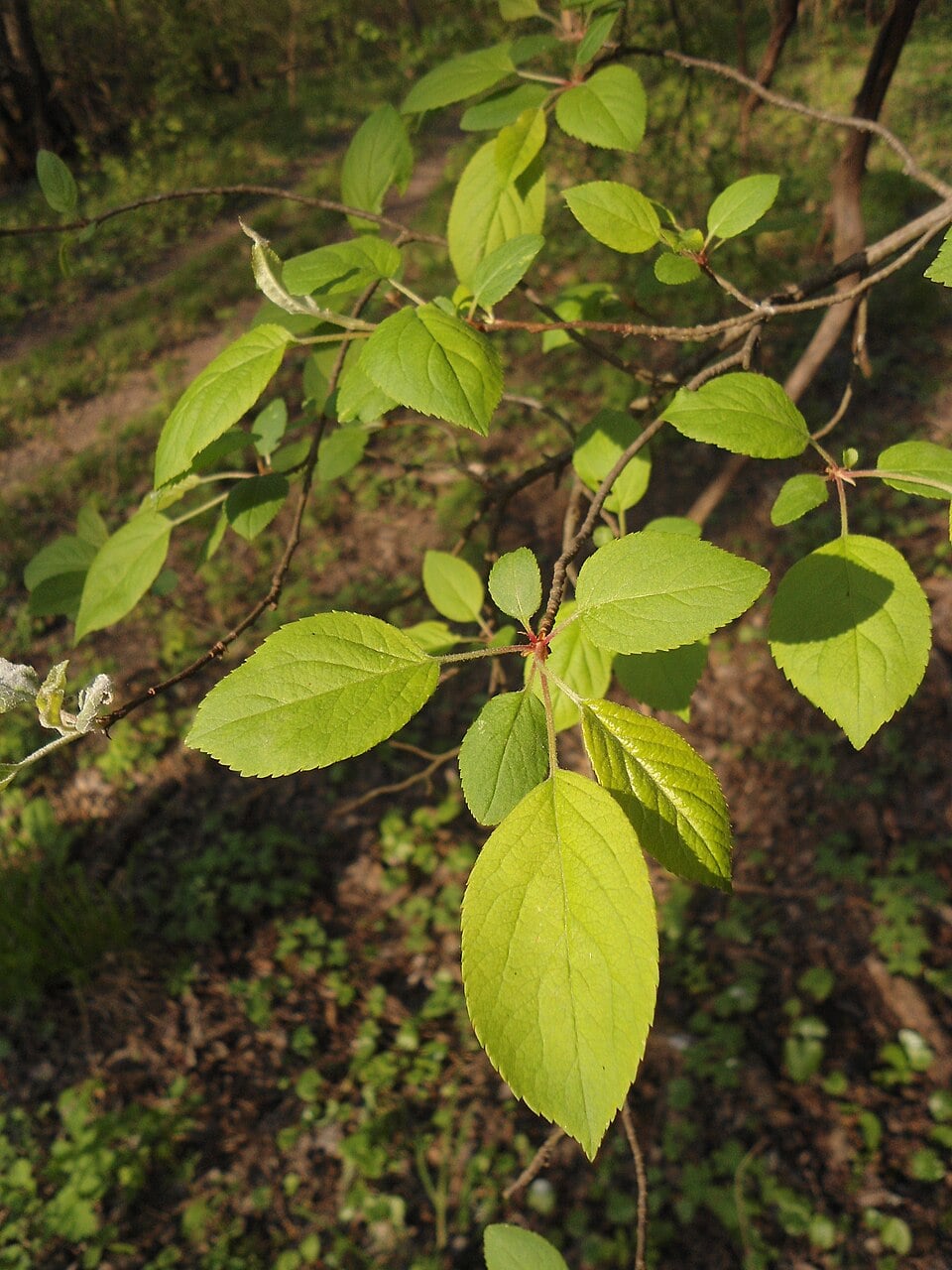
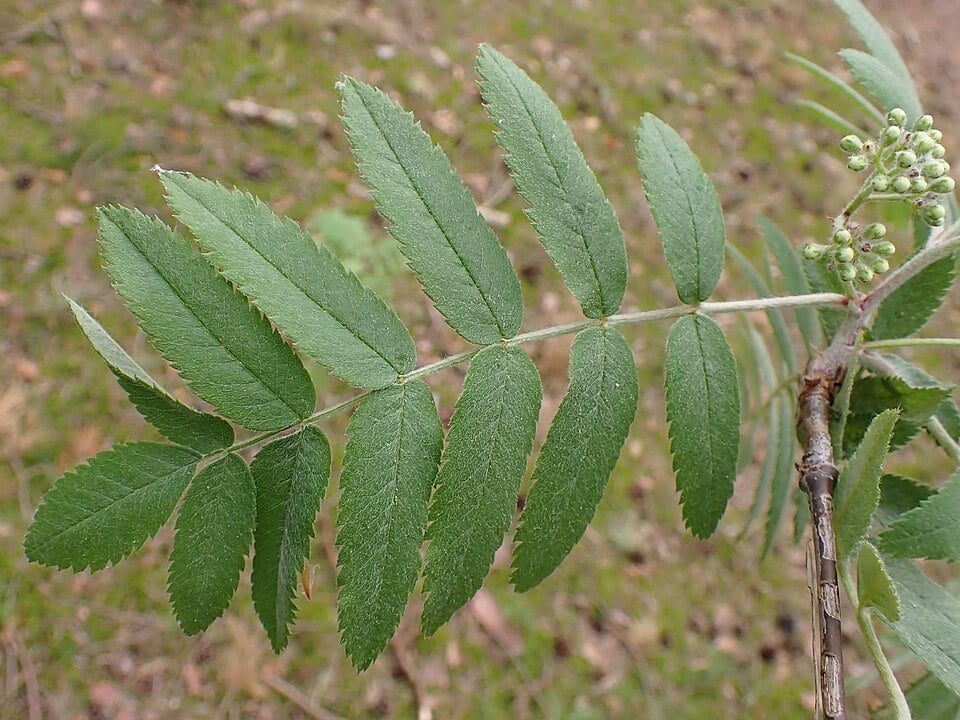
Leaf
Pierre Bonnet, Tela Botanica · CC BY-SA 2.0

Almond

Prunus dulcis (Mill.) D.A.Webb
Also known as: Sweet almond
Family: Rosaceae
4 to 8 m tall
Orchards and dry slopes, especially in a Mediterranean climate
Flowering: January – March, very early, before the leaves
Full sun
Hardy to about -20°C, but very sensitive to late frosts on its early flowers

❓ How do you recognise this plant?

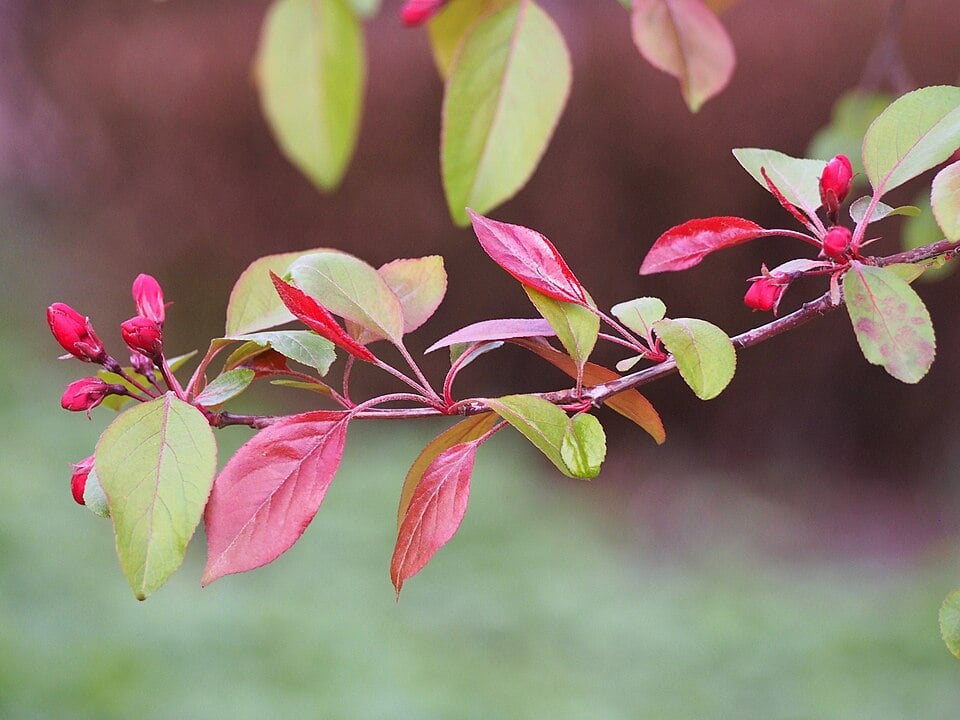
The almond is often the very first fruit tree to flower in France, sometimes as early as January — well before the other Prunus. In spring, their very similar pink flowers open before the leaves. Difference: almond flowers have longer, paler petals, and it generally flowers a little earlier.
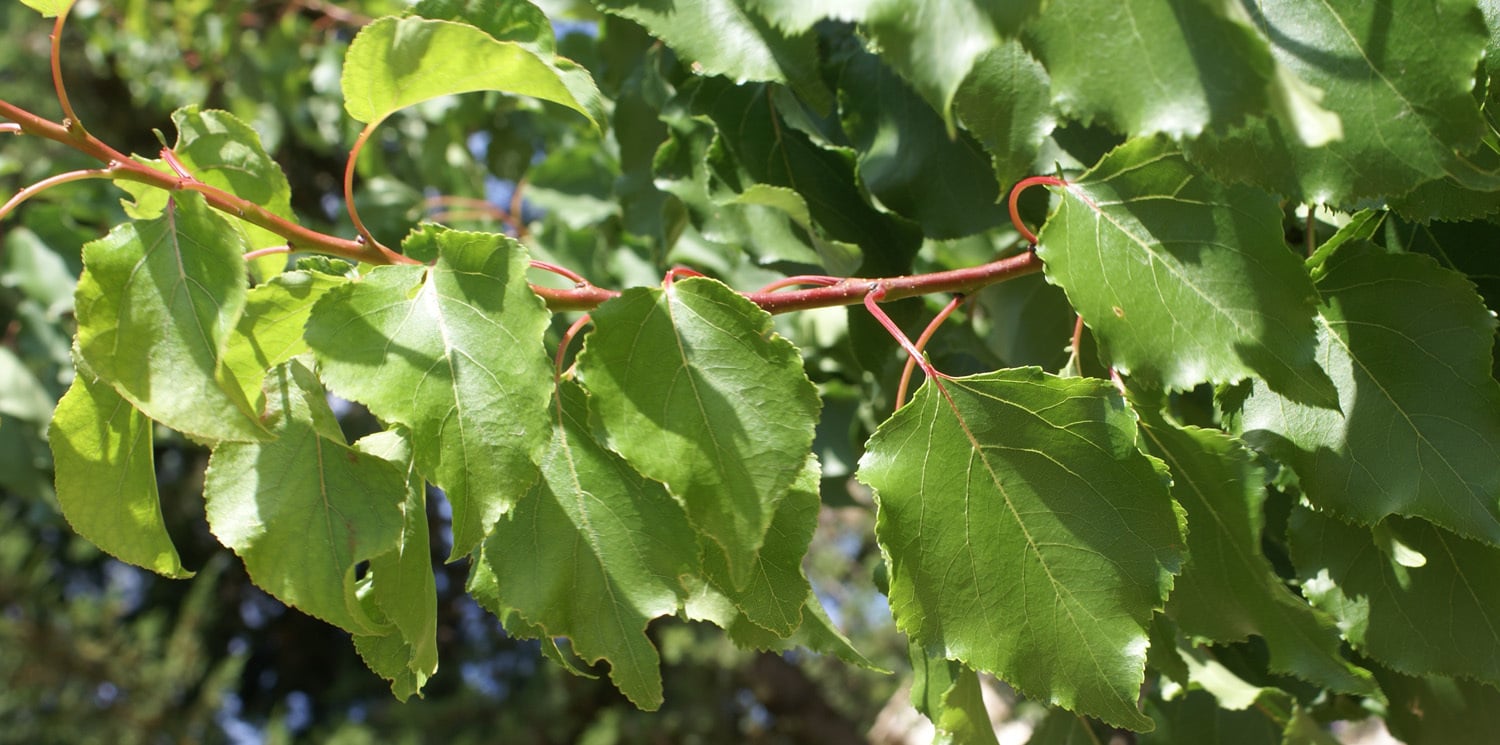
🍃 Leaves
Lanceolate, finely toothed, long and narrow
🌸 Flowers
White to pink, appearing before the leaves, very early
🍎 Fruits
Non-fleshy drupe with a velvety husk that splits open when ripe, revealing a stone containing the almond
🪵 Bark
Grey-brown, cracking with age
🗺️ Distribution
Native to central Asia and the Middle East; grown in France especially in Provence
🐝 Value for pollinators
Earliest flowering of the fruit trees, a crucial resource for the very first active bees
✂️ Horticultural uses
Orchard fruit tree and ornamental tree for its early winter flowering

⚠️ Possible toxicity

Sweet almonds are edible. Bitter almonds may contain cyanogenic compounds and should not be eaten in large quantities.

⚠️ Look-alike species

Almond
Almond
Prunus dulcis
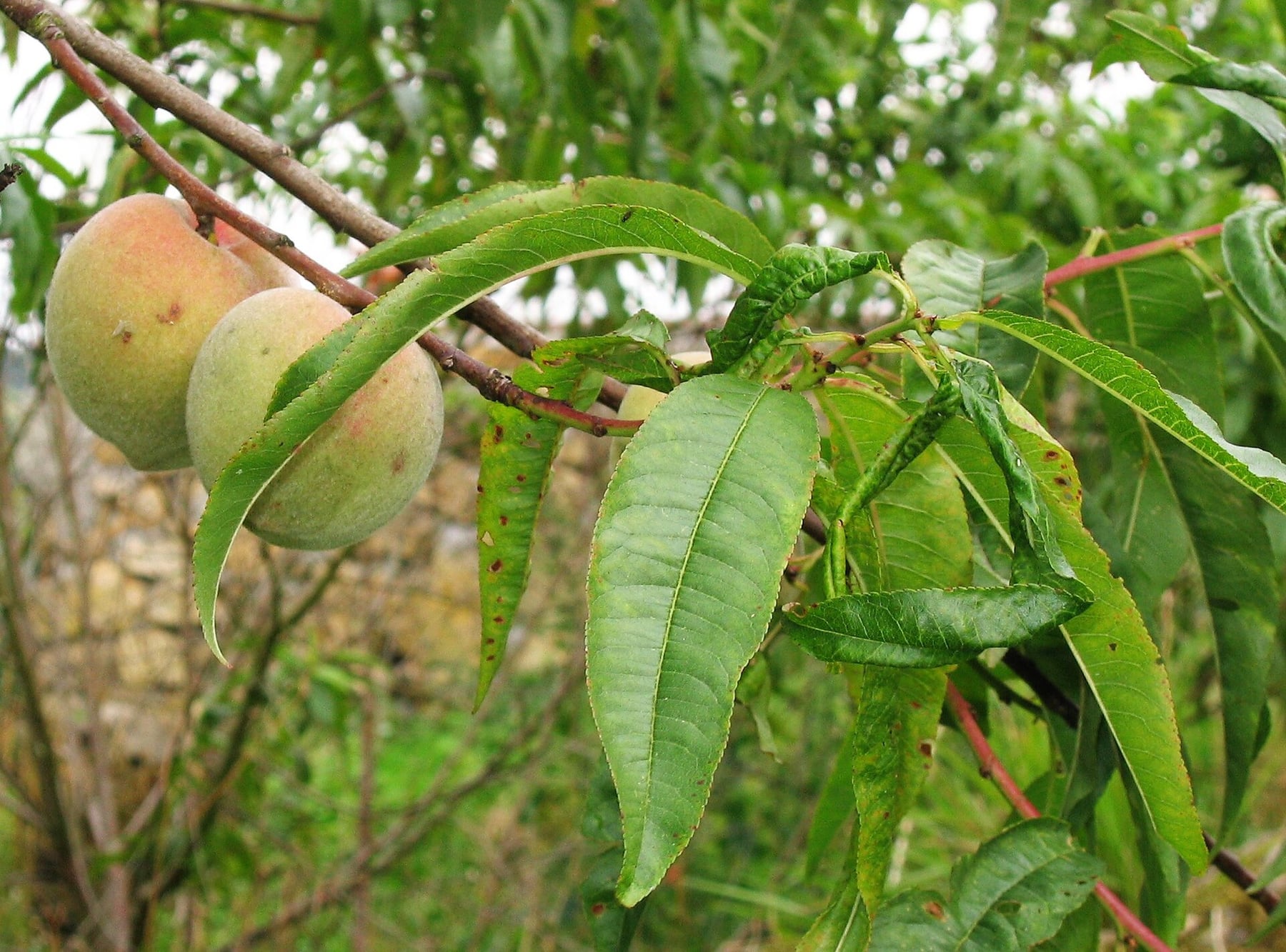
Peach
Peach
Prunus persica

In spring, their very similar pink flowers open before the leaves. Difference: almond flowers have longer, paler petals, and it generally flowers a little earlier.

Almond
Almond
Prunus dulcis
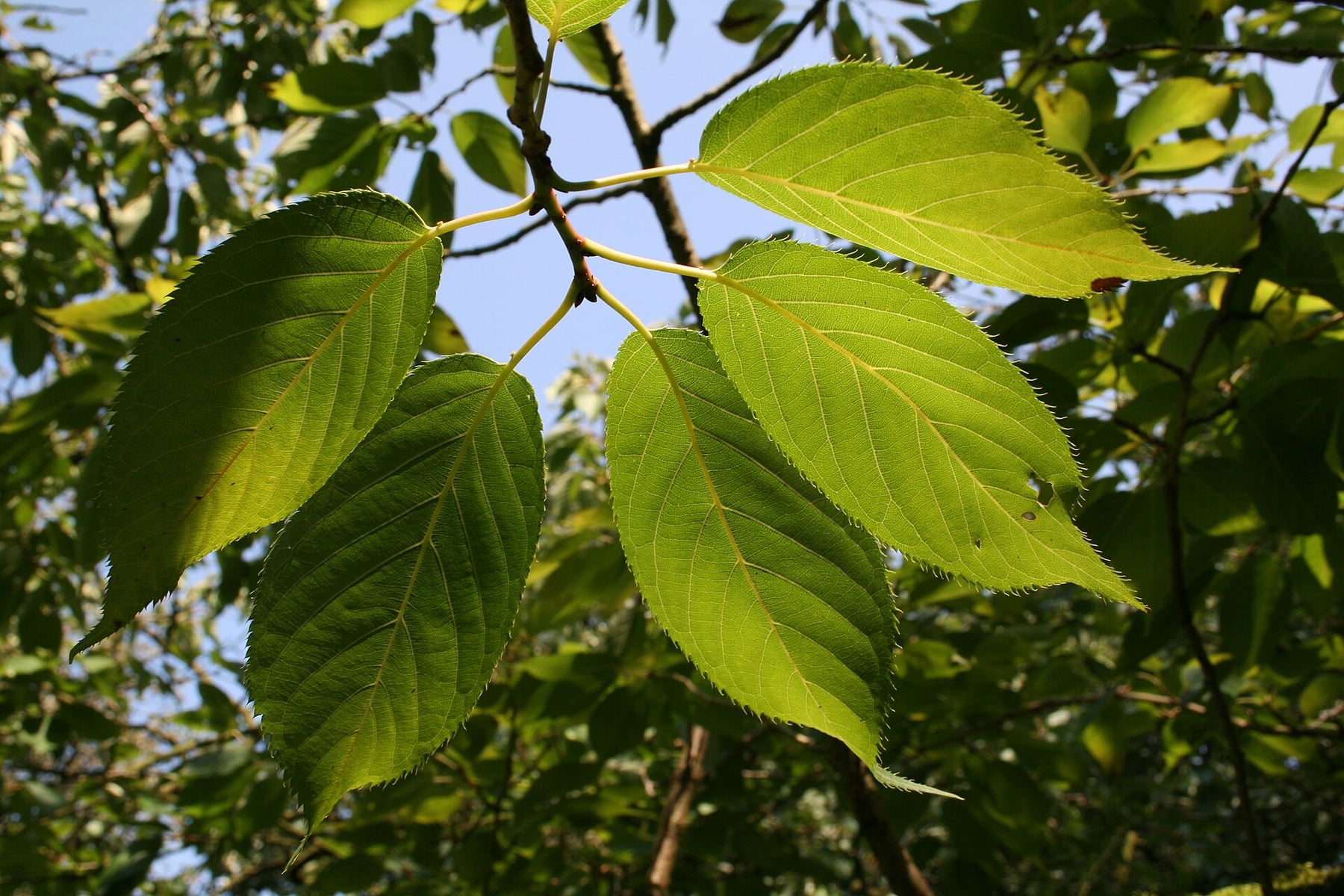
Apricot
Apricot
Prunus armeniaca

Two of the very first trees to flower in late winter, often from January-February, before the leaves. The almond has larger flowers with narrow petals notched at the tip, whereas those of the apricot are smaller and rounded, borne directly on the twigs. The bark also helps to separate them: grey-brown and cracking on the almond, reddish-brown and scaly on the apricot.

ℹ️ Educational profile — do not use it to judge whether a plant is edible or safe.

🌱 This database is constantly evolving — species and information are added and corrected regularly. Spotted a mistake? Report it below.

© Floraneo — profile content is protected; reproduction without permission is prohibited. Photos remain under their own licence (see the credit shown on each photo).