Leaf
Eiku, Wikimedia · CC BY-SA 4.0
- Trailing stems 2 to 5 m long
- Grown in open fields, warm, free-draining soils
- Full sun
- Not hardy, frost-sensitive, grown as an annual
In flower from June to August
3 months❓ How do you recognise this plant?
Like the courgette and the cucumber, the watermelon bears separate male and female flowers on the same plant — only the female flowers will produce watermelons.
Learn to recognise it
Citrus, grapes and summer fruit. This plant is in the lesson “Citrus, grapes and summer fruit”, with 11 others.



🍃 Leaves
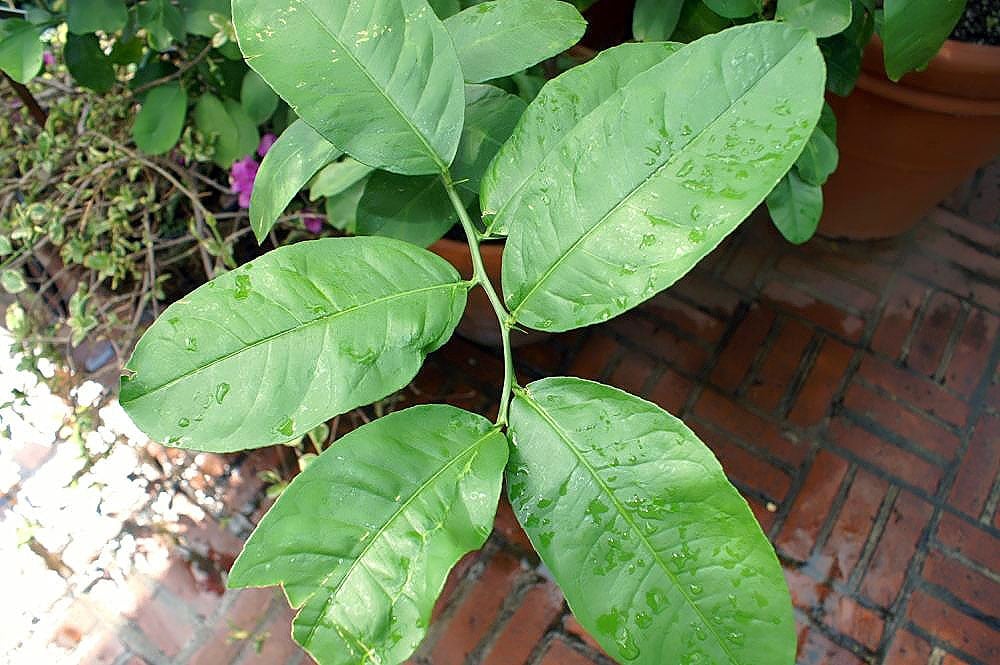
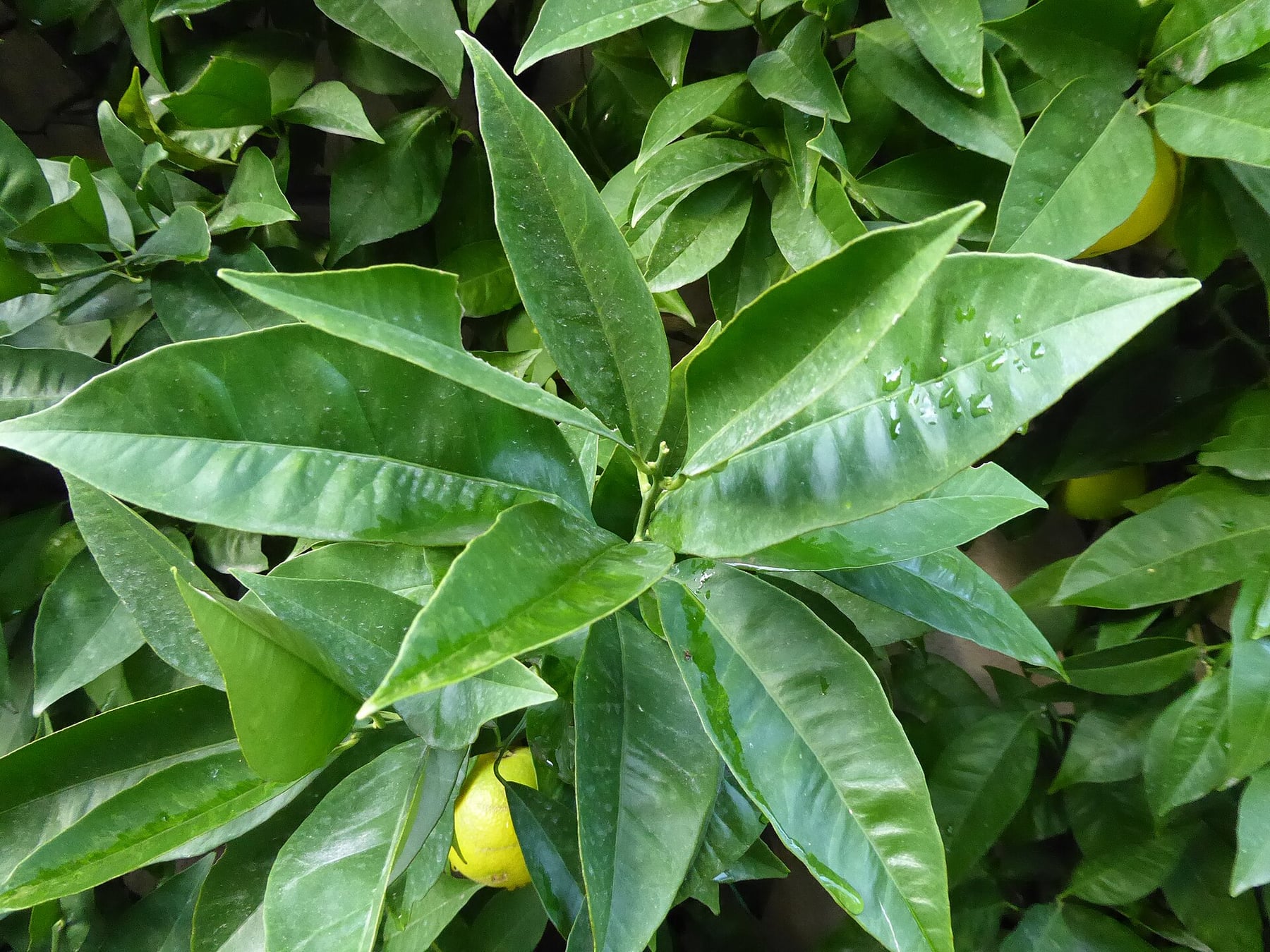
Large, deeply lobed, greyish green, slightly rough
🌸 Flowers
Yellow, solitary, with 5 petals; monoecious plant (male and female flowers separate on the same plant)
🍎 Fruits
Large round to oval fruit, green striped rind, sweet, very watery red flesh
🌿 Stem and habit
Trailing or climbing stem, hairy, with tendrils
Distribution, pollinators, uses
🗺️ Distribution
Native to Africa; grown in the south of France and in warm climates
🐝 Value for pollinators
Nectar-rich flowers, pollination by bees, essential for fruit formation
✂️ Horticultural uses
Grown in open fields for its large sweet fruit, eaten fresh in summer
⚠️ Possible toxicity
Edible fruit; no known toxicity to humans
🌿 Other Cucurbitaceae to discover


ℹ️ Educational profile — do not use it to judge whether a plant is edible or safe.
🌱 This database is constantly evolving — species and information are added and corrected regularly. Spotted a mistake? Report it below.
© Floraneo — profile content is protected; reproduction without permission is prohibited. Photos remain under their own licence (see the credit shown on each photo).