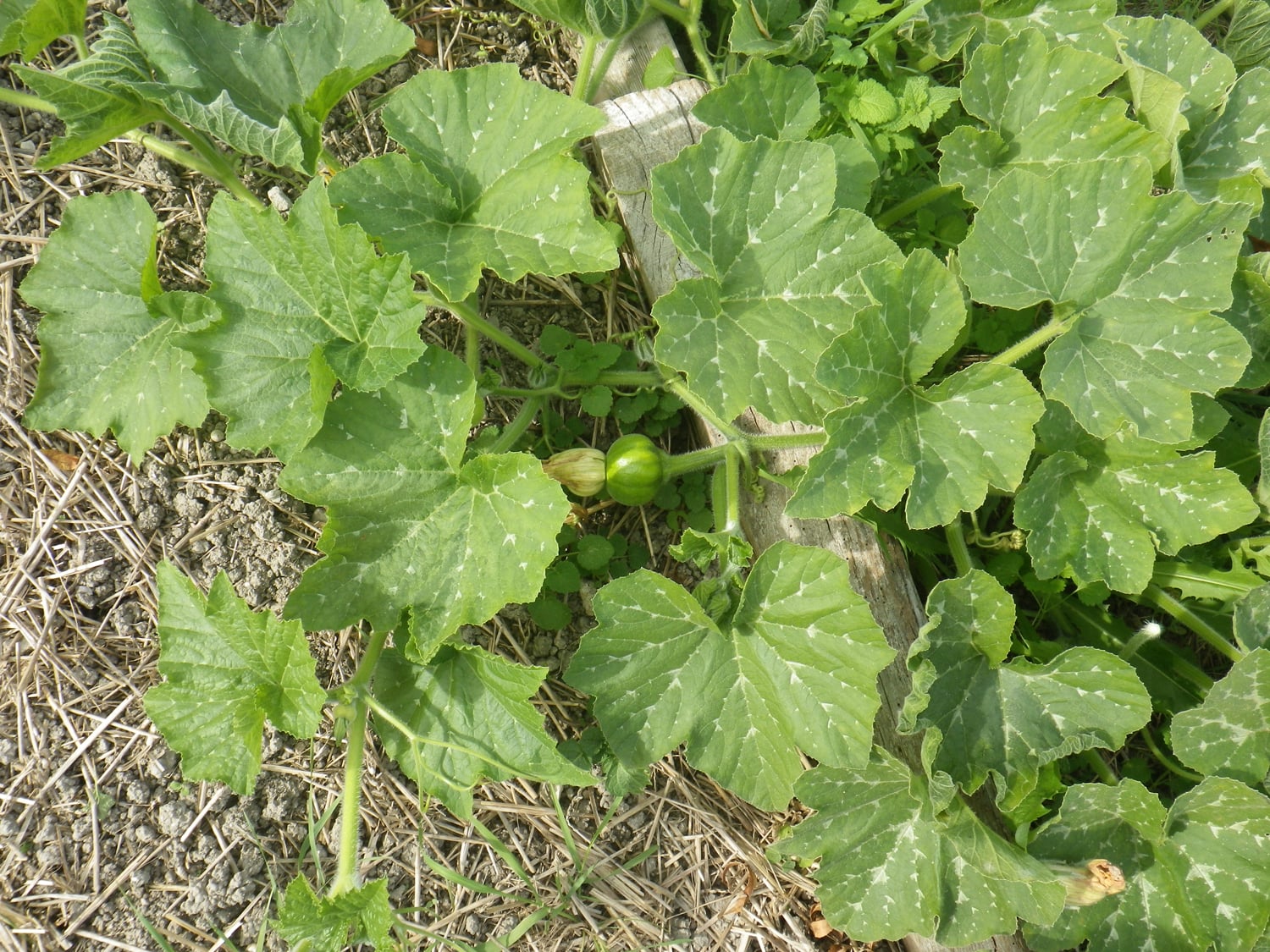
Leaf
Hervé GoËau, Tela Botanica · CC BY-SA 2.0
Cucumber
Cucumis sativus L.
Also known as: Gherkin
Family: Cucurbitaceae
Stems 1 to 3 m long
Grown in vegetable gardens, under cover or outdoors
Flowering: June – September
Full sun
Not hardy, frost-sensitive, grown as an annual
❓ How do you recognise this plant?
The gherkin and the cucumber are the same vegetable: the gherkin is simply harvested very young, before it is fully developed. When young, their heart-shaped foliage and trailing stems look very alike — both are cucurbits. The fruit clearly tells them apart once formed.
🍃 Leaves
Large, palmate with 3-5 lobes, rough, bright green
🌸 Flowers
Yellow; plant generally monoecious (separate male and female flowers)
🍎 Fruits
Elongated berry, green, with crisp, watery flesh; harvested immature (gherkin) or more developed (cucumber)
🪵 Bark
Annual herbaceous plant, trailing or climbing, with tendrils.
🗺️ Distribution
Native to Asia; grown throughout France
🐝 Value for pollinators
Honey-rich flowers visited by bees, essential for fruit formation in non-parthenocarpic varieties
✂️ Horticultural uses
Vegetable garden crop grown for its fruit, eaten raw in salads or pickled (gherkin)
⚠️ Possible toxicity
Fruit edible; in rare cases (stressed plants or those resulting from cross-pollination with ornamental cucurbits), the fruit can accumulate very bitter, toxic cucurbitacins — never eat a bitter-tasting cucumber.
⚠️ Look-alike species
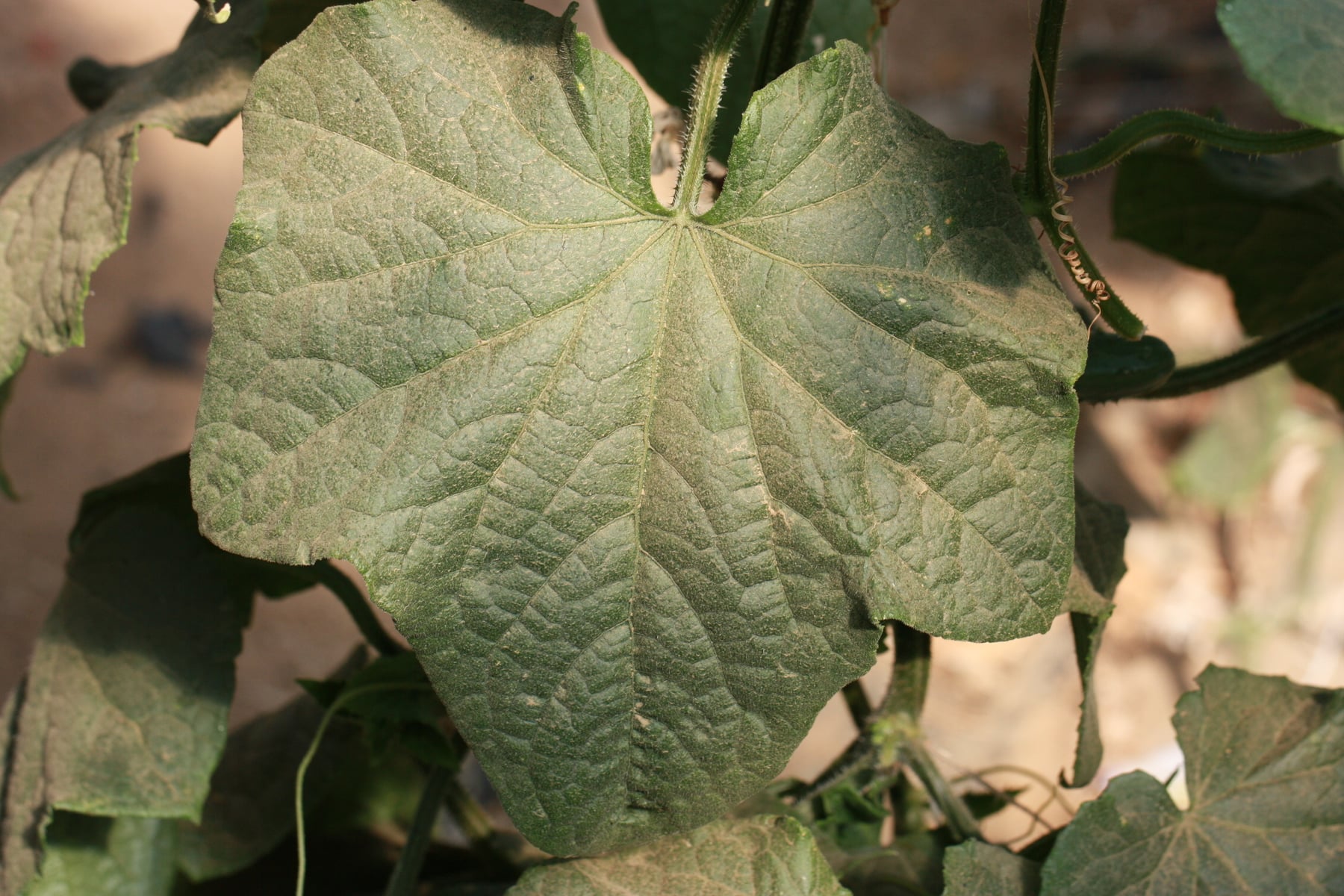
Cucumber
Cucumis sativus
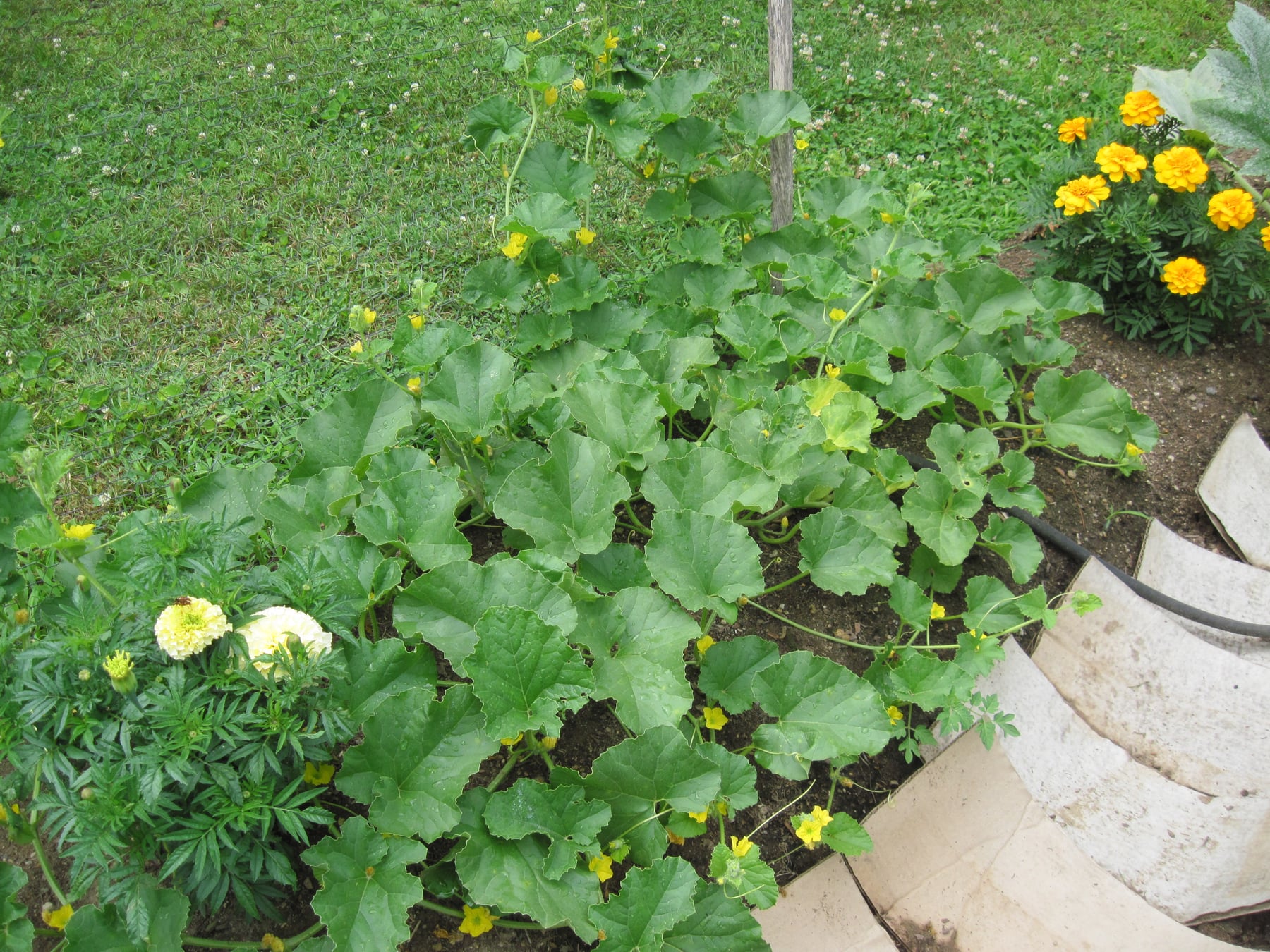
Melon
Cucumis melo
When young, their heart-shaped foliage and trailing stems look very alike — both are cucurbits. The fruit clearly tells them apart once formed.
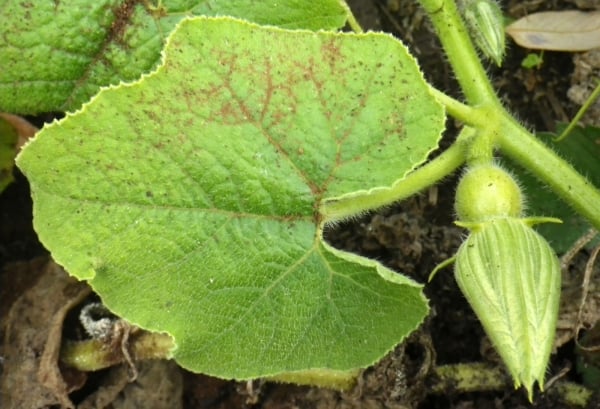
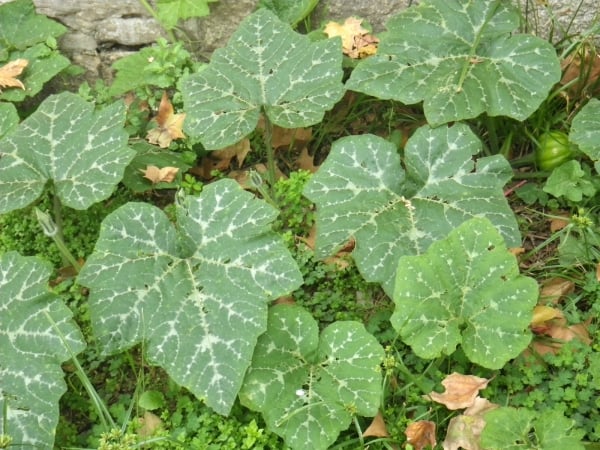
🌿 Other Cucurbitaceae to discover

ℹ️ Educational profile — do not use it to judge whether a plant is edible or safe.
🌱 This database is constantly evolving — species and information are added and corrected regularly. Spotted a mistake? Report it below.
© Floraneo — profile content is protected; reproduction without permission is prohibited. Photos remain under their own licence (see the credit shown on each photo).