It is the very first flower of the French garden: its name comes from the fact that it can flower while snow is still on the ground, as early as January. Spring snowflake resembles snowdrop but flowers a little later and has tepals all of equal size (each marked with a small green or yellow spot at the tip), whereas snowdrop has 3 large plain white outer tepals and 3 small inner tepals marked with green. Also compare the flowering time: snowdrop is almost always the first of the two to flower.
Learn to recognise it
Common garden perennials. This plant is in the lesson “Common garden perennials”, with 10 others.
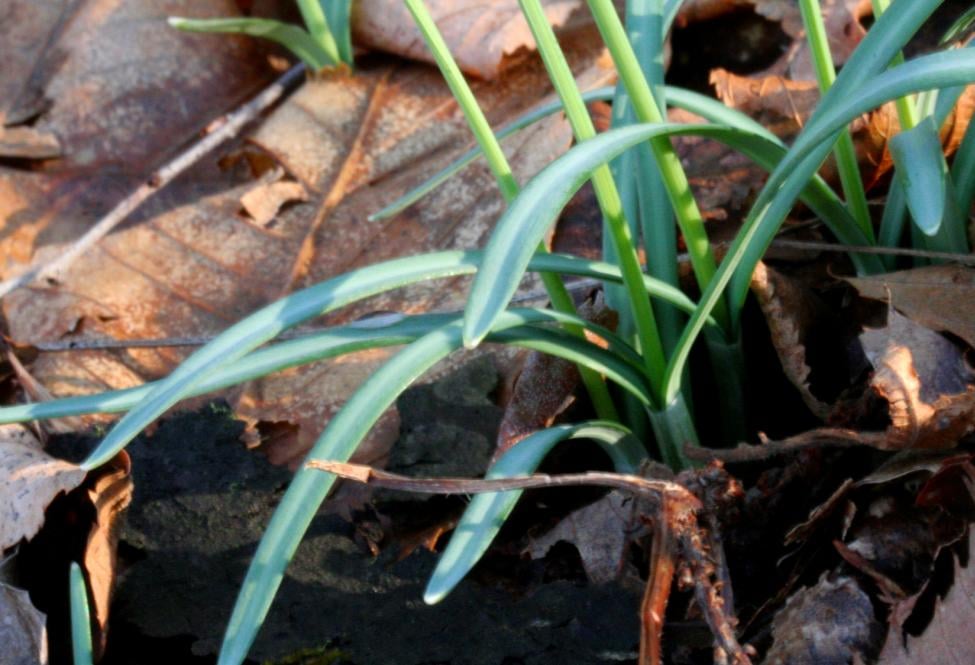
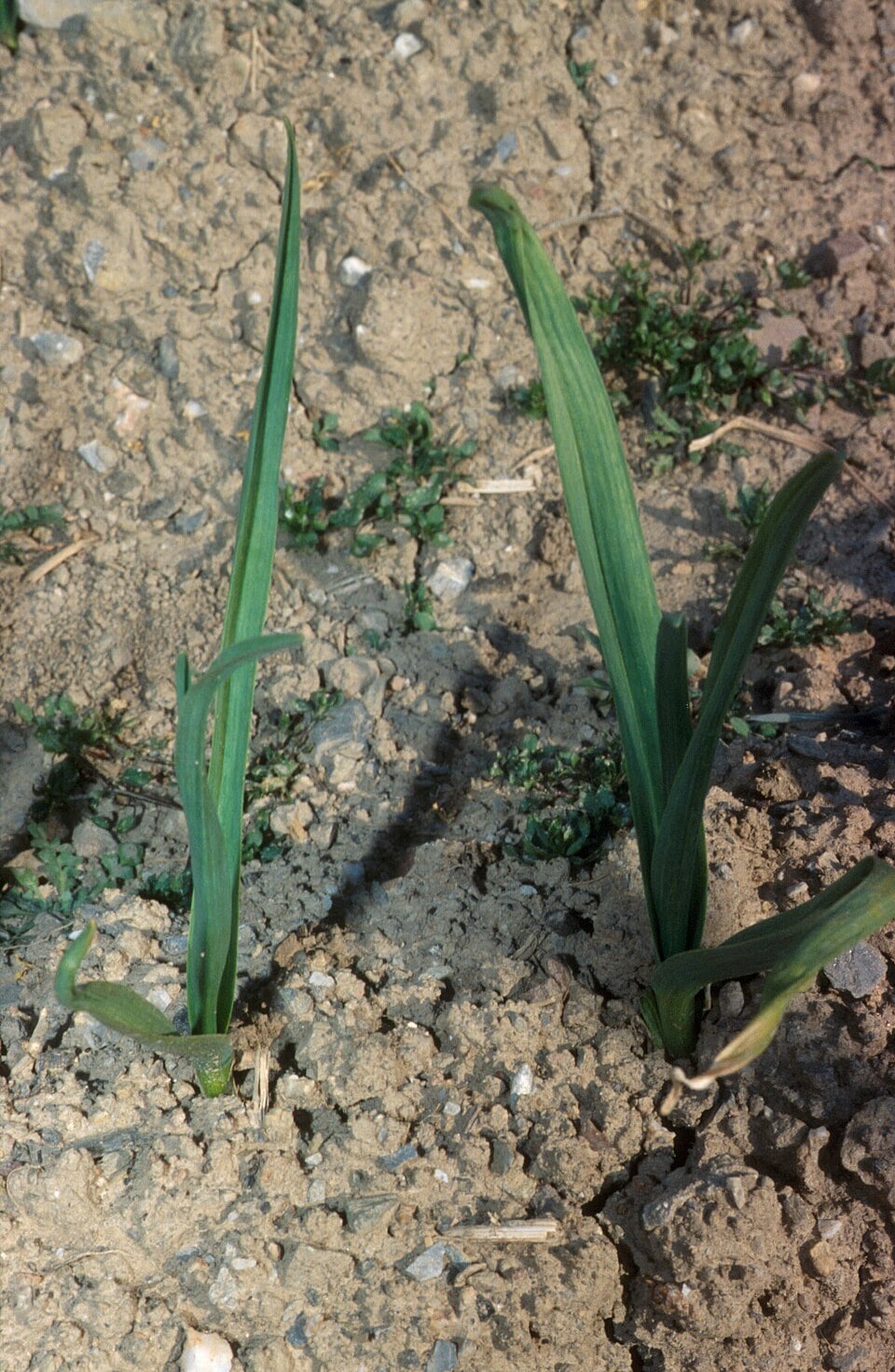
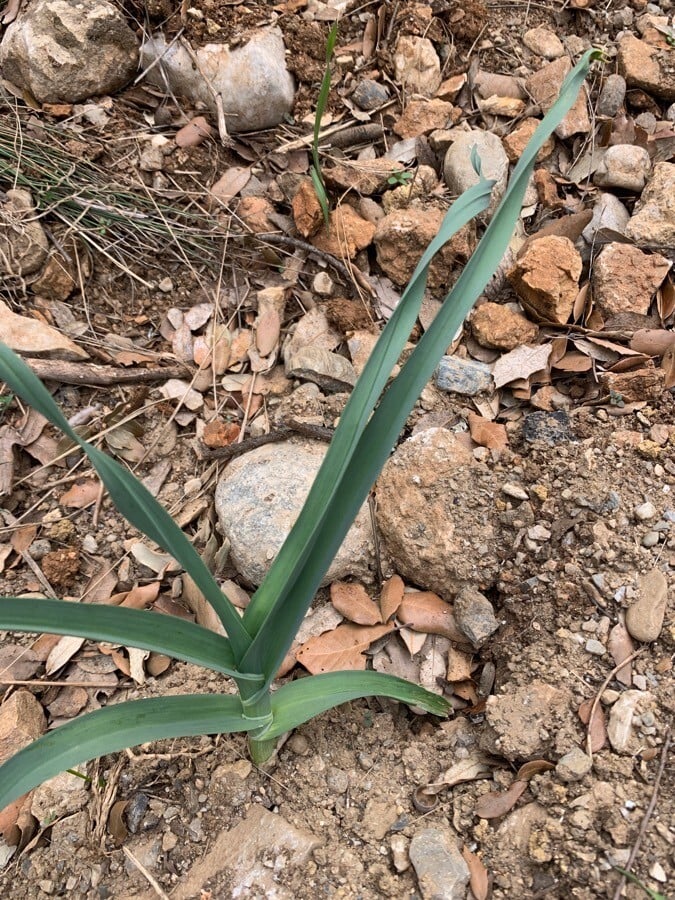
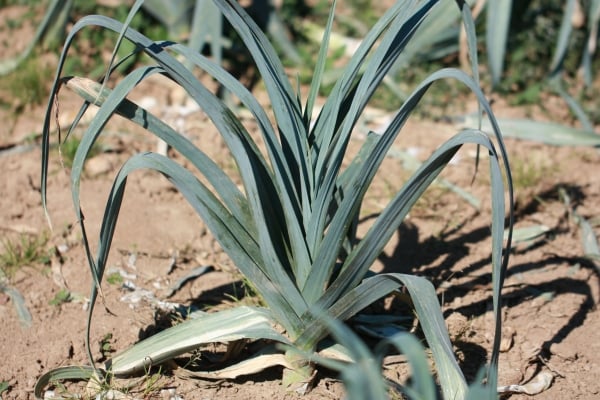
Narrow, linear, upright, blue-green leaves emerging from the ground at the same time as the flower.
🌸 Flowers
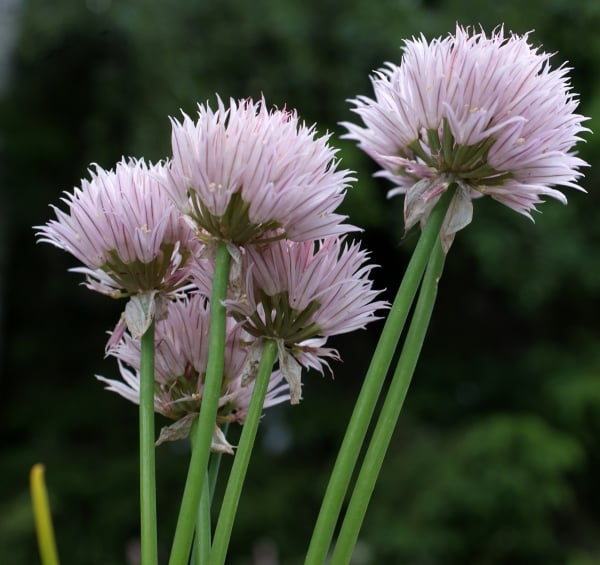
A single drooping, bell-shaped white flower per stem, made up of 3 large white outer tepals and 3 shorter inner tepals marked with green at the tip.
🍎 Fruits
Small green capsule containing seeds with a fleshy appendage favoured by ants, which disperse them.
🌿 Stem and habit
Bulbous plant with no bark, short flowering stem 10-15 cm tall.
Distribution, pollinators, uses▾
🗺️ Distribution
Found across much of France, more common in the east and south, widely planted elsewhere.
🐝 Value for pollinators
One of the first sources of nectar and pollen for bees and bumblebees emerging from hibernation.
✂️ Horticultural uses
Very widely planted in carpets under trees and in borders to announce spring; many garden varieties.
⚠️ Possible toxicity
Toxic if ingested: the bulb, and to a lesser extent the whole plant, contains alkaloids (lycorine, galantamine) causing nausea, vomiting and digestive upset.
Spring snowflake resembles snowdrop but flowers a little later and has tepals all of equal size (each marked with a small green or yellow spot at the tip), whereas snowdrop has 3 large plain white outer tepals and 3 small inner tepals marked with green. Also compare the flowering time: snowdrop is almost always the first of the two to flower.