Leaf
La Spada Arturo, Telebotanica · CC-BY-SA 2.0
Seville orange
Citrus aurantium L.
Also known as: Bitter orange, Sour orange
Family: Rutaceae
3 to 10 m tall in the open ground, often less in a pot
Planted in urban avenues and gardens in Mediterranean climates (famous avenues in Nice), also grown in pots elsewhere
Flowering: March – May, sometimes a second flowering in autumn
Full sun
One of the hardiest cultivated citrus, tolerates down to about -7°C
❓ How do you recognise this plant?
Contrary to popular belief, genuine orange flower water and neroli essence traditionally come from the flowers of the Seville orange (bitter orange), not from the sweet orange with sugary fruits. Seville orange closely resembles sweet orange in habit and glossy evergreen foliage, but its petiole is distinctly more winged, its shoots often thornier, and above all its fruit stays inedible fresh because it is so bitter — unlike the sweet orange. Its larger, more fragrant flowers are the traditional source of orange flower water.
🍃 Leaves
Evergreen, ovate, glossy, dark green, very aromatic; petiole distinctly winged, broader than that of the sweet orange
🌸 Flowers
White, very large and very fragrant (more so than those of the sweet orange), solitary or grouped in 2-3
🍎 Fruits
Orange with thick, rough skin, not very juicy, acidic and very bitter pulp, rich in pips; not eaten fresh but used in marmalade and confectionery
🪵 Bark
Greyish; young shoots bearing thorns up to several centimetres long, more pronounced than in the sweet orange
🗺️ Distribution
Native to South-East Asia; grown around the French Mediterranean and in pots elsewhere
🐝 Value for pollinators
Extremely fragrant, nectar-rich flowering, one of the most attractive in the genus Citrus for bees
✂️ Horticultural uses
Planted in urban avenues and ornamental gardens for its flowers, the historic source of orange flower water and neroli essence; fruits used in marmalade and in liqueurs (Grand Marnier, Cointreau)
⚠️ Possible toxicity
Fruit edible but very bitter, not toxic to humans; like other citrus, the essential oils and zest are toxic to cats and dogs
⚠️ Look-alike species
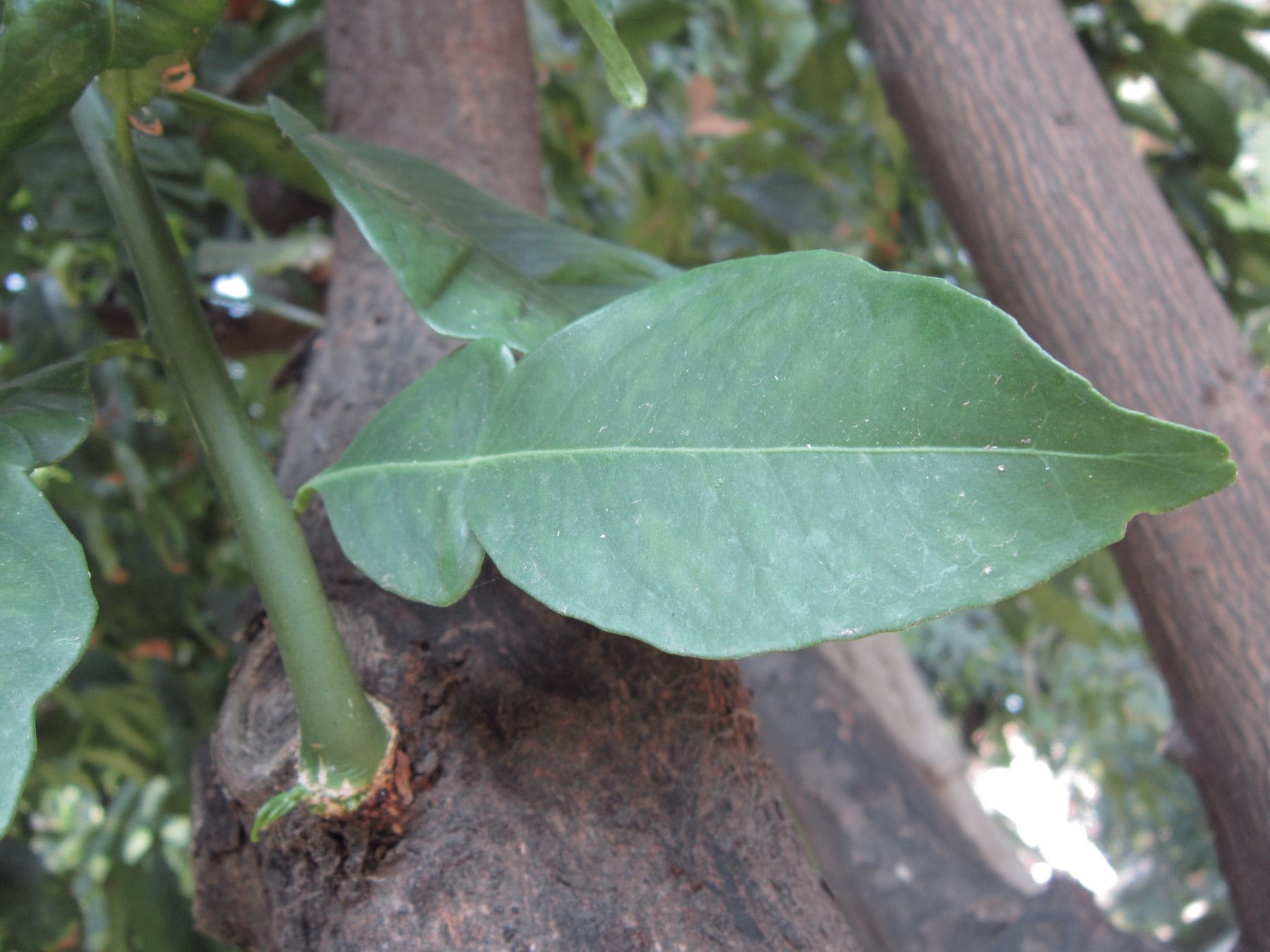
Seville orange
Citrus aurantium
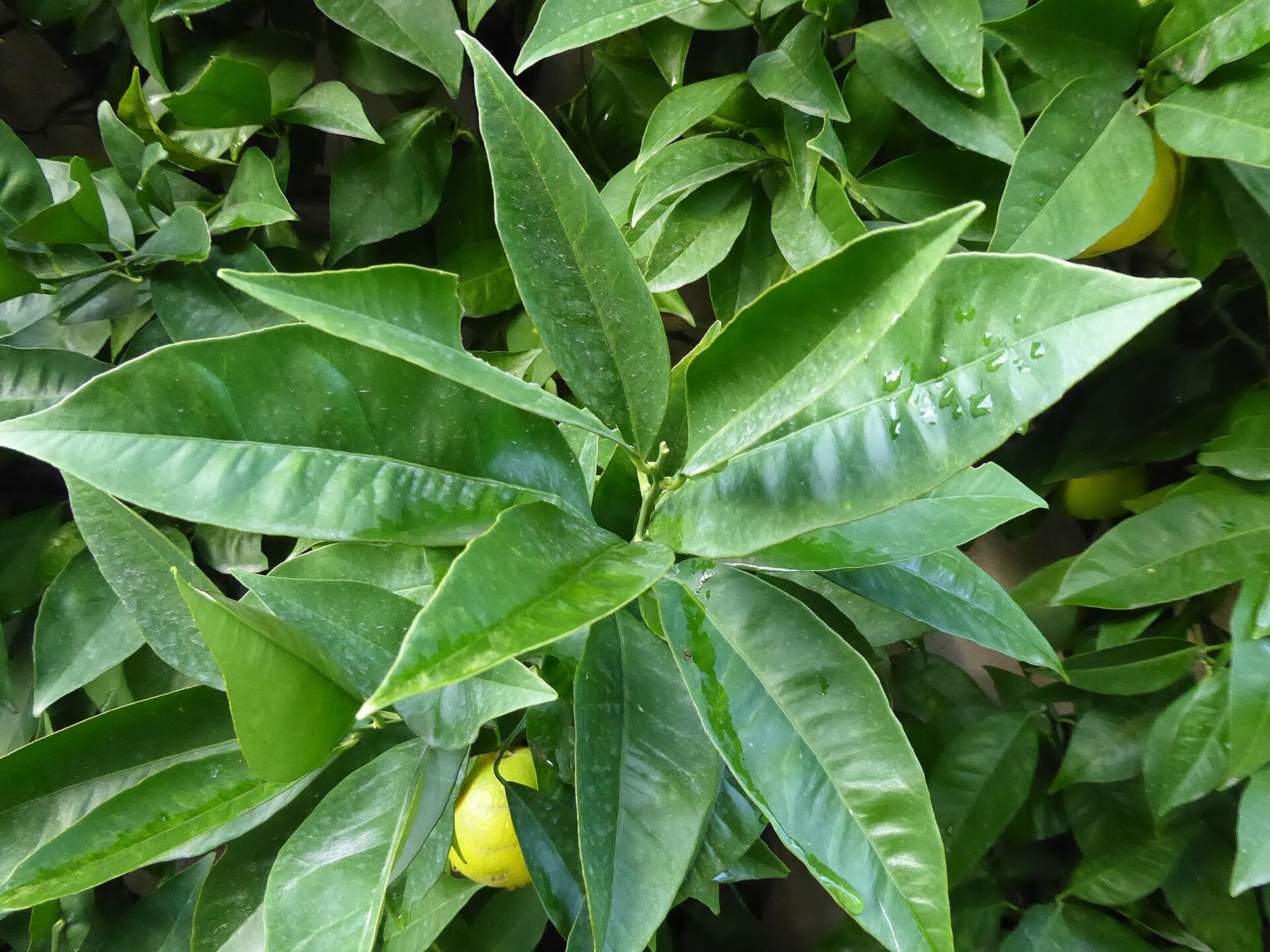
Sweet orange
Citrus sinensis
Seville orange closely resembles sweet orange in habit and glossy evergreen foliage, but its petiole is distinctly more winged, its shoots often thornier, and above all its fruit stays inedible fresh because it is so bitter — unlike the sweet orange. Its larger, more fragrant flowers are the traditional source of orange flower water.
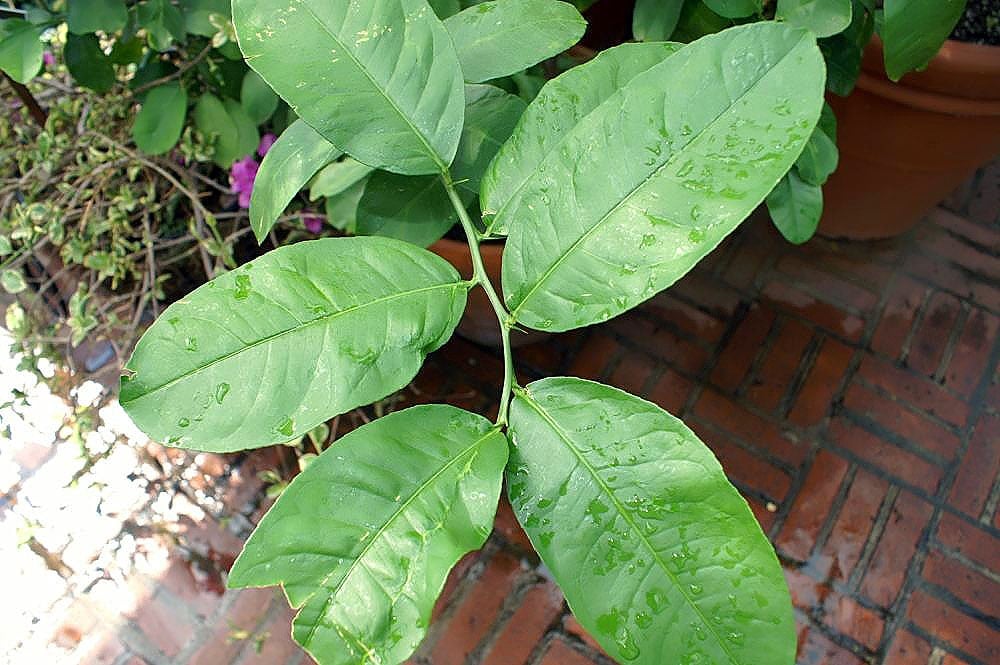
🌿 Other Rutaceae to discover


ℹ️ Educational profile — do not use it to judge whether a plant is edible or safe.
🌱 This database is constantly evolving — species and information are added and corrected regularly. Spotted a mistake? Report it below.
© Floraneo — profile content is protected; reproduction without permission is prohibited. Photos remain under their own licence (see the credit shown on each photo).