Leaf
David J. Stang, Wikimedia · CC BY-SA 4.0
Lemon
Citrus limon (L.) Burm.f.
Family: Rutaceae
3 to 6 m tall
Grown in pots or in the ground in mild climates, notably around the Mediterranean
Flowering: Can flower almost all year round, peaking in spring
Full sun
Not very hardy, freezes below about -5°C, grown in pots in the northern half of France
❓ How do you recognise this plant?
A lemon tree can flower and bear fruit at different stages of ripeness at the same time on the same tree — a single branch can carry flowers, green lemons and ripe lemons simultaneously. Both share very similar glossy, aromatic evergreen foliage, but the leaves of the sweet orange are clearly smaller than those of the lemon. Lemon flower buds are tinged with purple before opening (pure white flowers in the sweet orange), and its oval, thin-skinned yellow fruit contrasts with the round, thicker-skinned orange.
🍃 Leaves
Evergreen, ovate, leathery, glossy, aromatic when crushed
🌸 Flowers
White, purple-tinged in bud, strongly scented, often clustered
🍎 Fruits
Citrus-type berry (hesperidium), generally yellow when ripe, with a rind rich in essential oils and a very sour pulp.
🪵 Bark
Grey, smooth; twigs sometimes slightly spiny
🗺️ Distribution
Native to Asia; grown around the Mediterranean and in pots elsewhere in France
🐝 Value for pollinators
Highly scented, honey-rich flowers, appreciated by bees
✂️ Horticultural uses
Fruit tree grown in the ground in mild climates or in pots elsewhere, brought indoors in winter in colder climates
⚠️ Possible toxicity
Fruit widely eaten by humans. However, the essential oils and certain parts of the citrus can be irritant, and citrus fruits pose toxicity problems for pets (cats, dogs).
⚠️ Look-alike species
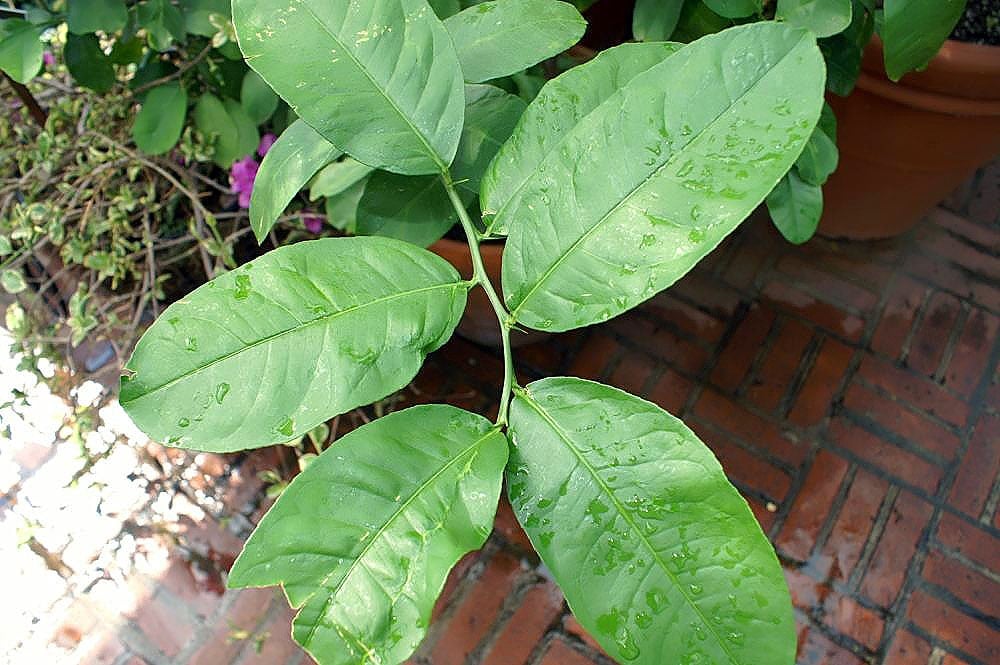
Lemon
Citrus limon
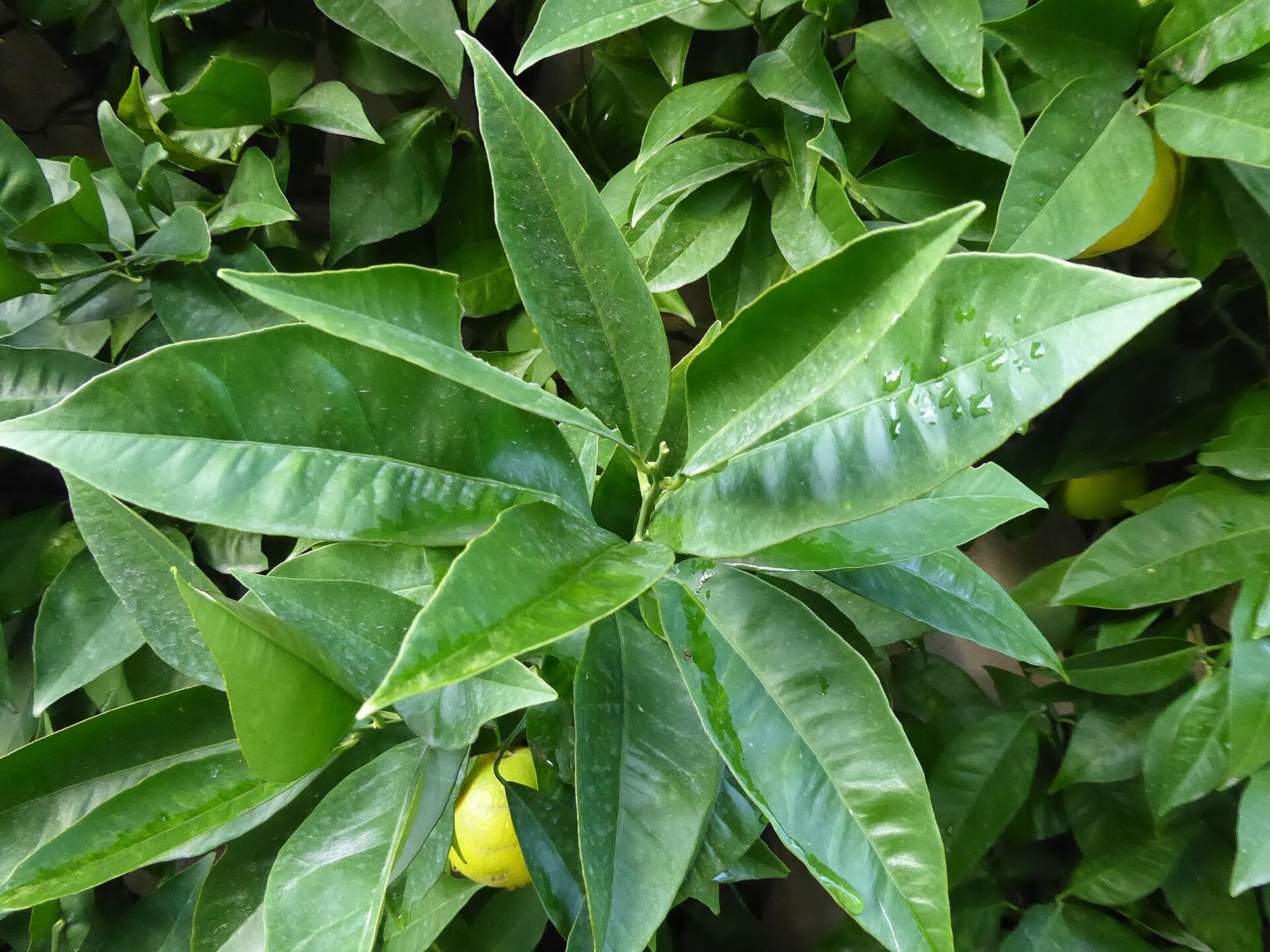
Sweet orange
Citrus sinensis
Both share very similar glossy, aromatic evergreen foliage, but the leaves of the sweet orange are clearly smaller than those of the lemon. Lemon flower buds are tinged with purple before opening (pure white flowers in the sweet orange), and its oval, thin-skinned yellow fruit contrasts with the round, thicker-skinned orange.
🌿 Other Rutaceae to discover

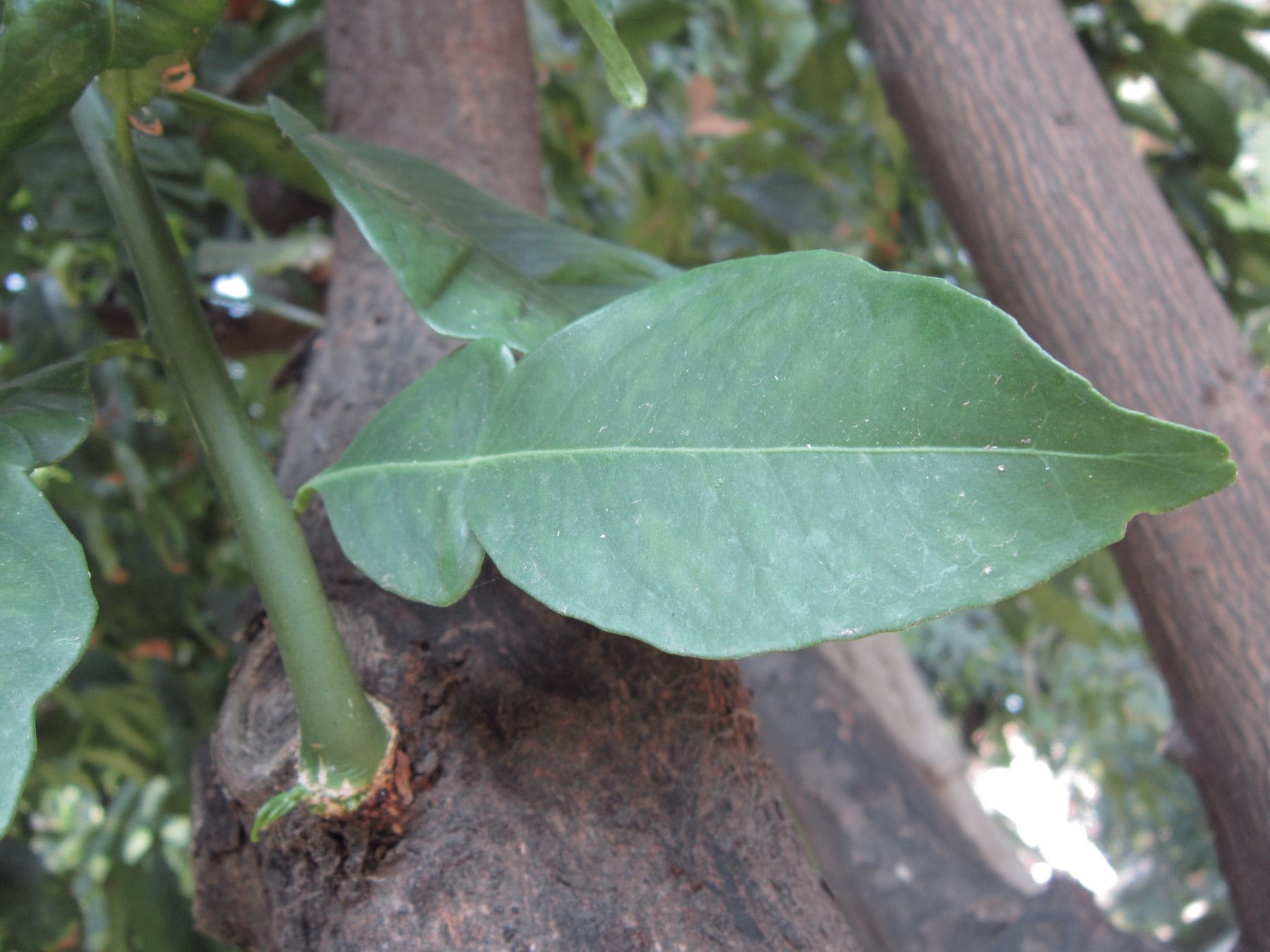


ℹ️ Educational profile — do not use it to judge whether a plant is edible or safe.
🌱 This database is constantly evolving — species and information are added and corrected regularly. Spotted a mistake? Report it below.
© Floraneo — profile content is protected; reproduction without permission is prohibited. Photos remain under their own licence (see the credit shown on each photo).