Leaf
Homoarborea, Wikimedia · Domaine public
Bee-bee tree
Tetradium daniellii (Benn.) T.G.Hartley
Also known as: Korean evodia
Family: Rutaceae
10 to 15 m tall
Tree planted as a specimen in parks for its very nectar-rich late flowering, still uncommon in private gardens.
Flowering: July – August
Full sun
Hardy to about -25°C
❓ How do you recognise this plant?
It flowers in midsummer, in July-August, when most trees have finished flowering: its nectar-bearing flowers make it a valuable resource for bees at a time when nectar is scarce, hence its name of honey tree.
🍃 Leaves
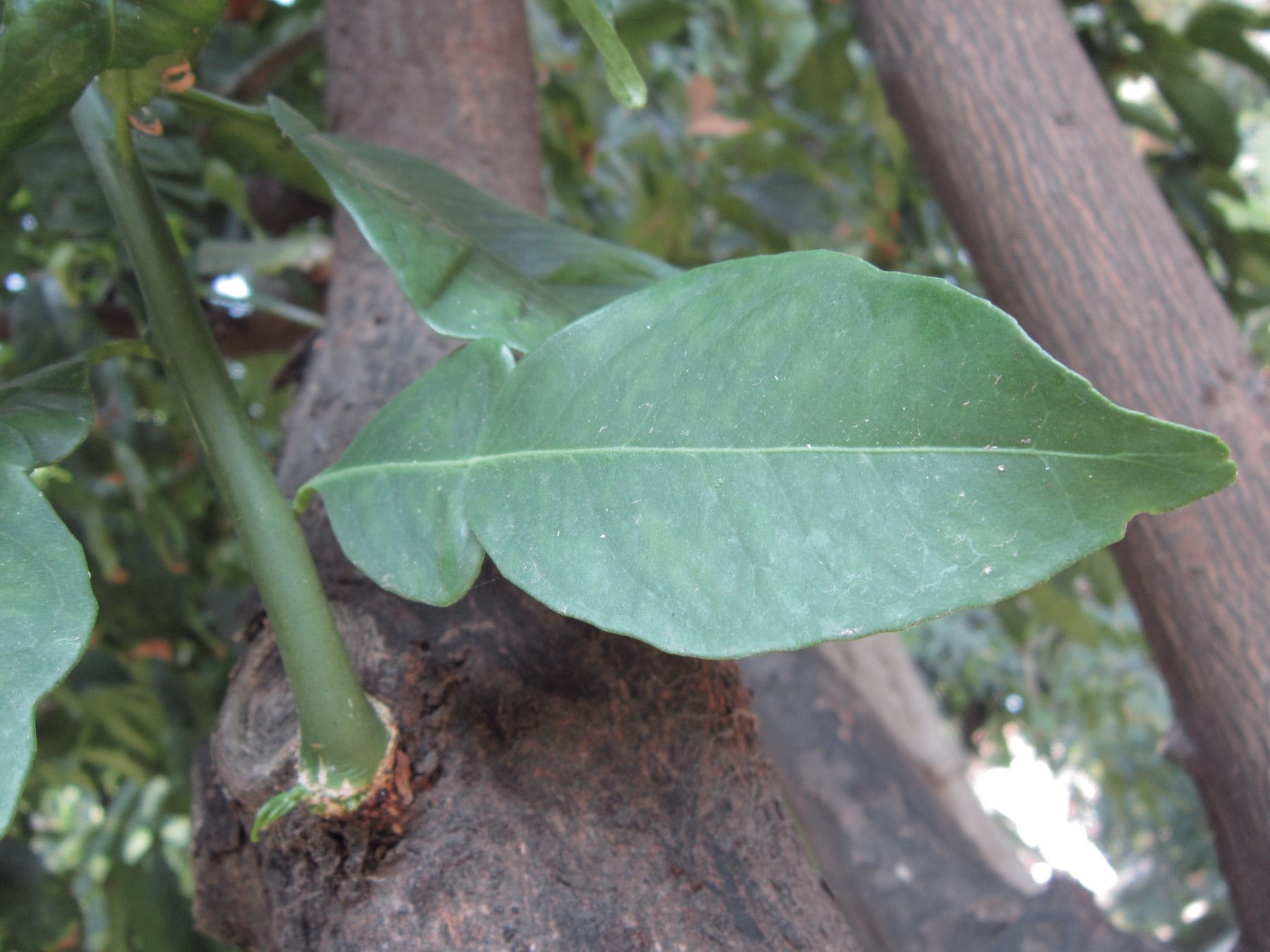
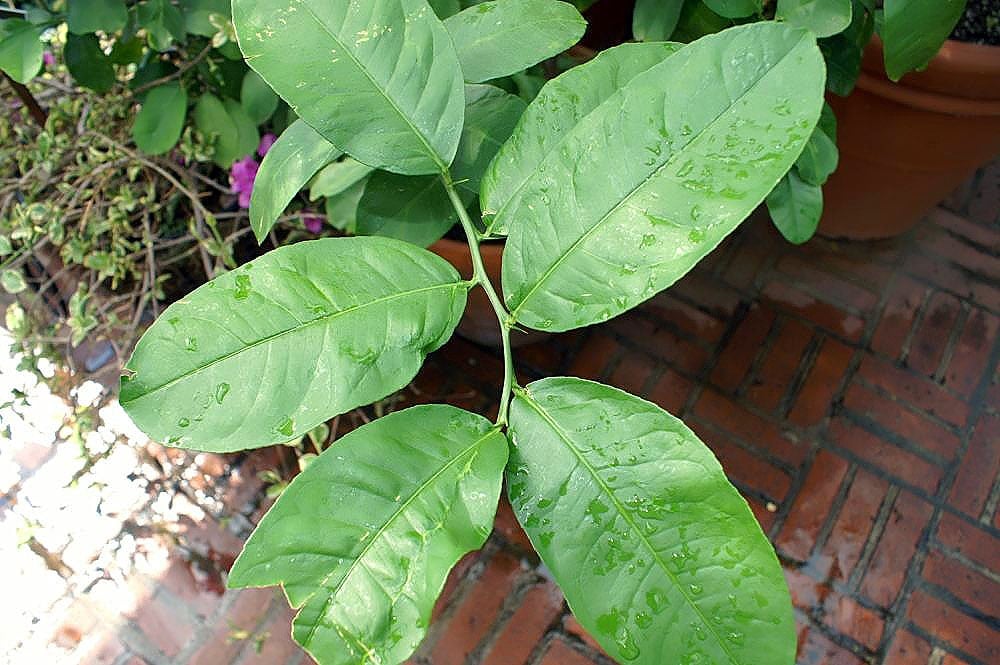
Deciduous, opposite, pinnately compound, leaflets ovate-lanceolate, glossy dark green
🌸 Flowers
Small, greenish-white, gathered in large terminal corymbs, very nectar-rich
🍎 Fruits
Small reddish to blackish capsules when ripe, grouped in clusters
🪵 Bark
Grey, smooth, cracking slightly with age
🗺️ Distribution
Native to China and Korea, planted in Europe as a honey-producing and ornamental tree
🐝 Value for pollinators
Late flowering (July-August) exceptionally attractive to bees, at a time when few trees are in flower
✂️ Horticultural uses
Planted as a specimen in parks, appreciated by beekeepers for extending the summer honey flow
🌿 Other Rutaceae to discover


ℹ️ Educational profile — do not use it to judge whether a plant is edible or safe.
🌱 This database is constantly evolving — species and information are added and corrected regularly. Spotted a mistake? Report it below.
© Floraneo — profile content is protected; reproduction without permission is prohibited. Photos remain under their own licence (see the credit shown on each photo).