Leaf
Patrick Ressayre, Tela Botanica · CC BY-SA 2.0
- 5 to 30 cm tall
- Meadows, lawns, paths, woodland edges and clearings on cool soils; frequent in mown lawns
- Full sun, Part shade
- Very hardy, to -25°C
In flower from June to September
4 months❓ How do you recognise this plant?
Nicknamed the "carpenter's herb", selfheal was once used to treat the cuts of workmen; it withstands mowing so well that it flowers at ground level in lawns. Selfheal has its blue-violet flowers packed in a compact, oval, short spike, hidden under green-purple bracts, and plain green leaves; bugle has blue flowers in tiers along a taller stem, leaves that are often glossy and purple, and stolons creeping over the surface.
🍃 Leaves
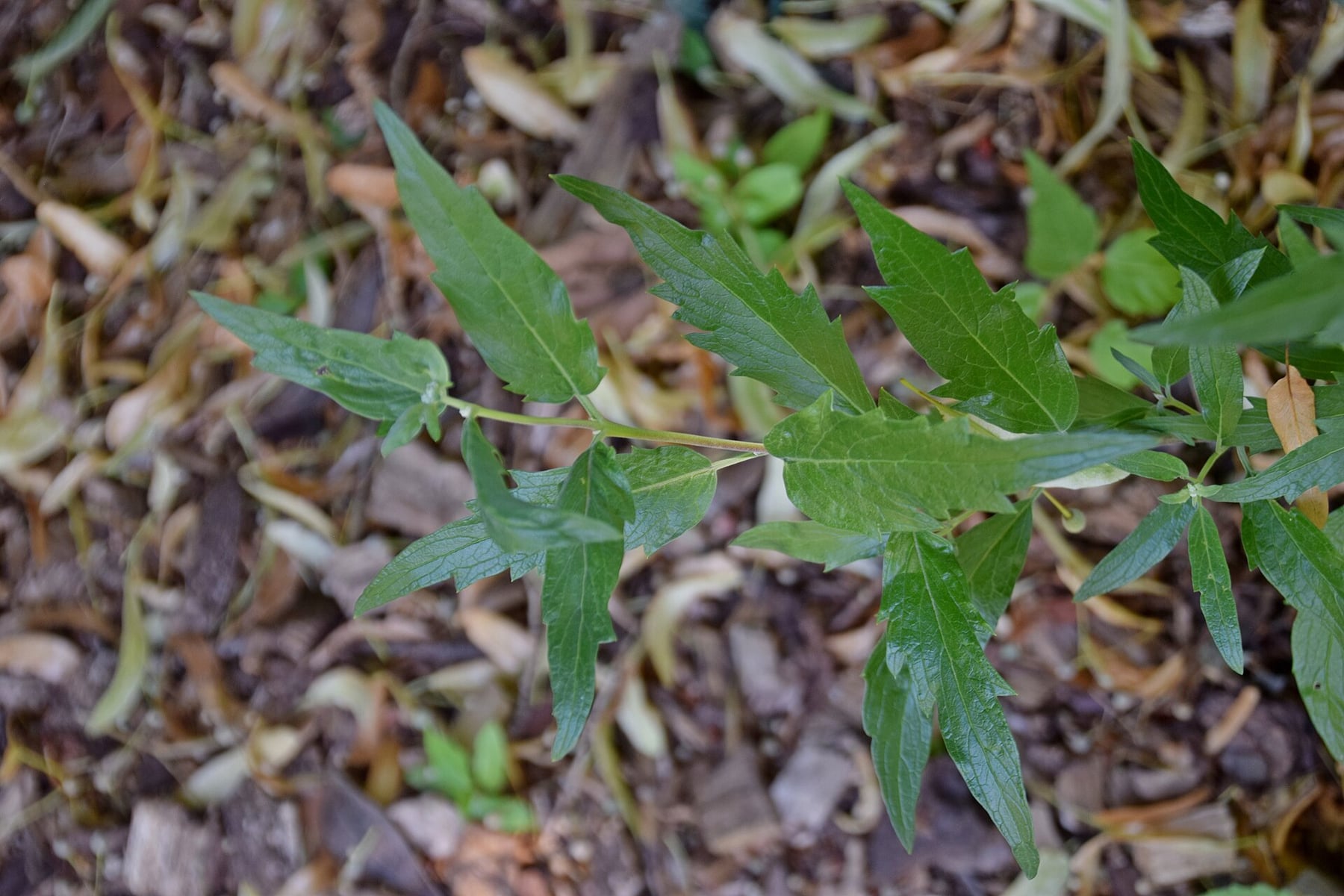
Opposite, ovate, 2 to 7 cm, with entire or slightly toothed margins and a short leaf stalk, bright green
🌸 Flowers
Dense, ovoid spike 2 to 4 cm made up of blue-violet two-lipped flowers 1 to 1.5 cm, hidden behind green-purple bracts
🍎 Fruits
Four small smooth brown nutlets
🌿 Stem and habit
Square stem, creeping then upright, rooting at the nodes by stolons
Distribution, pollinators, uses
🗺️ Distribution
Europe, Asia, North Africa and North America; very common in France
🐝 Value for pollinators
Much visited by bees, bumblebees and butterflies
✂️ Horticultural uses
Ground cover and flowery-lawn plant; formerly used to treat wounds, hence its name "carpenter's herb"
⚠️ Possible toxicity
No notable toxicity known
⚠️ Look-alike species
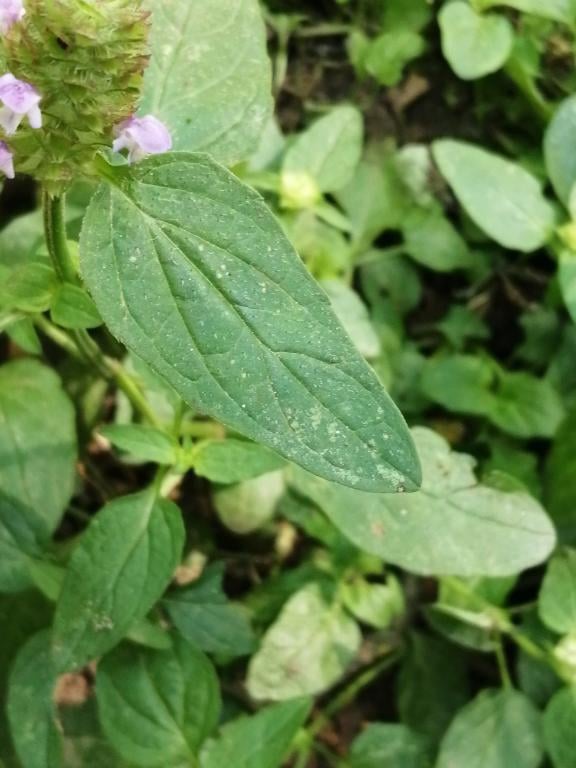
Selfheal
Prunella vulgaris
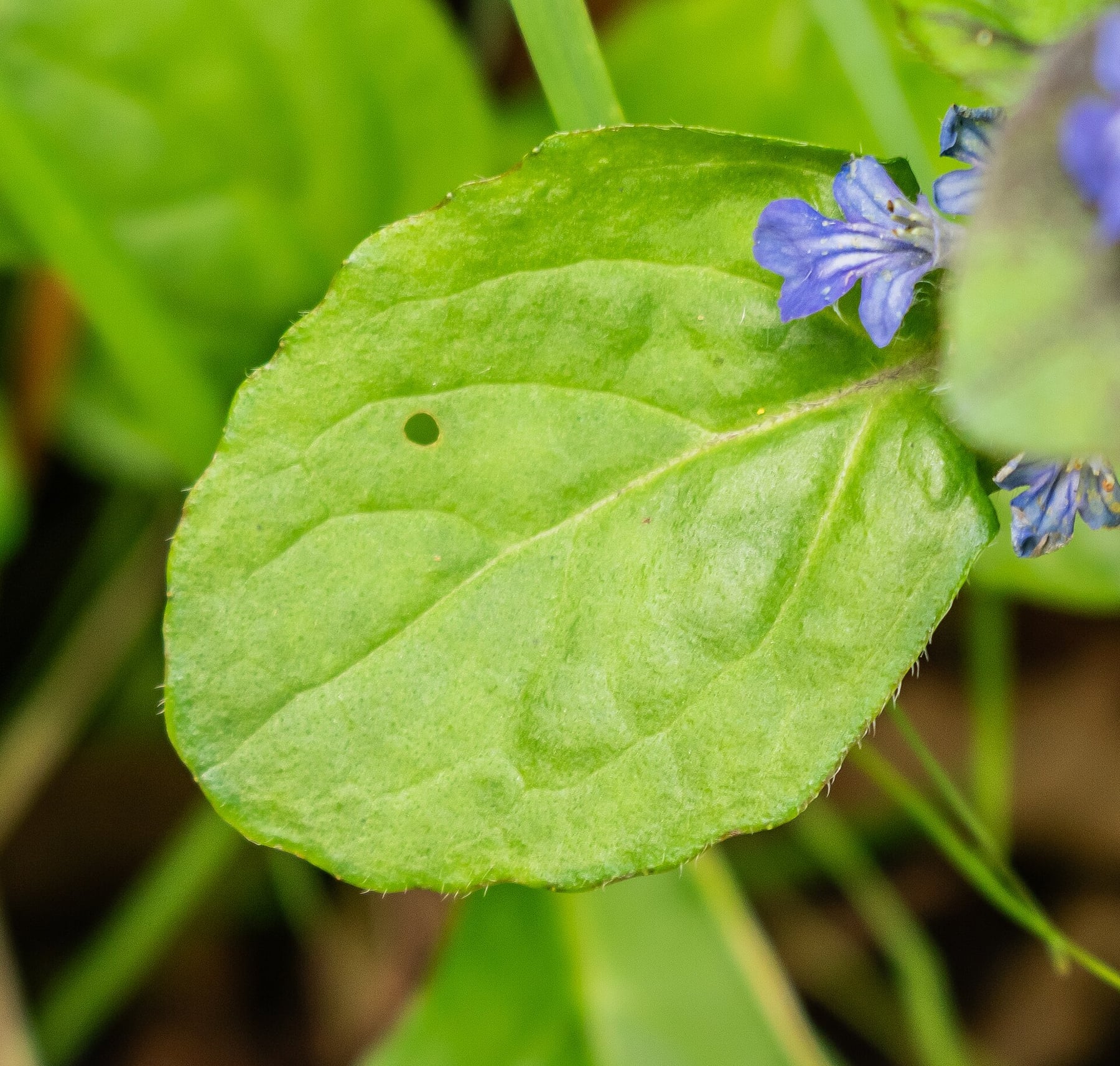
Bugle
Ajuga reptans
Selfheal has its blue-violet flowers packed in a compact, oval, short spike, hidden under green-purple bracts, and plain green leaves; bugle has blue flowers in tiers along a taller stem, leaves that are often glossy and purple, and stolons creeping over the surface.
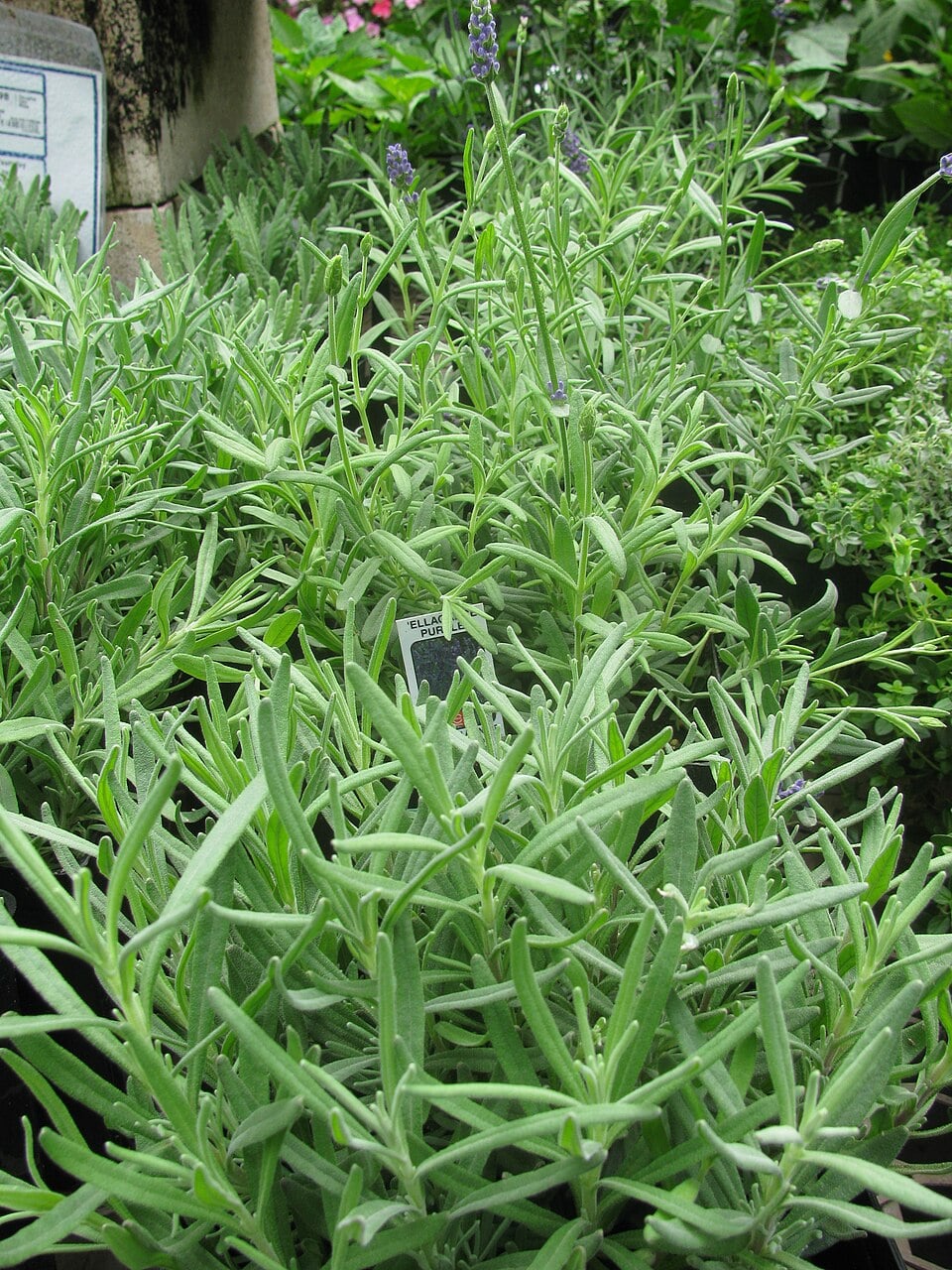
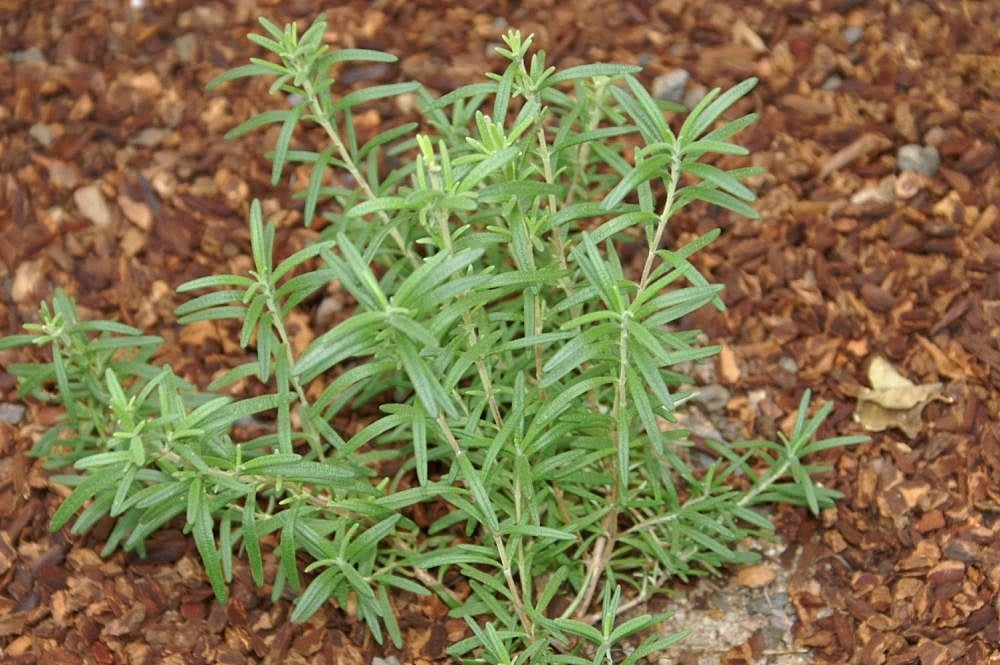
🌿 Other Lamiaceae to discover
ℹ️ Educational profile — do not use it to judge whether a plant is edible or safe.
🌱 This database is constantly evolving — species and information are added and corrected regularly. Spotted a mistake? Report it below.
© Floraneo — profile content is protected; reproduction without permission is prohibited. Photos remain under their own licence (see the credit shown on each photo).