Leaf
Liliane Roubaudi, Tela Botanica · CC BY-SA 2.0
Purple willow
Salix purpurea L.
Also known as: Purple osier, Basket willow
Family: Salicaceae
2 to 5 m tall
Banks, hedgerows, basketry, cool and damp soils
Flowering: March – April
Full sun
Part shade
Hardy to -25°C
❓ How do you recognise this plant?
Its flexible, coloured shoots make it one of the osiers most used in traditional basketry. Goat willow has thicker shoots and broad, ovate leaves, downy beneath, typical of the early silky catkins, whereas purple willow has slender, flexible shoots, often tinged with purple, and narrow leaves.
🍃 Leaves
Deciduous, narrow, lanceolate, blue-green above, glaucous beneath
🌸 Flowers
Erect catkins appearing before the leaves, purplish-red stamens
🍎 Fruits
Small cottony capsules
🪵 Bark
Slender, flexible, dark purple shoots, much used in basketry
🗺️ Distribution
Europe, western Asia; common along watercourses throughout France.
🐝 Value for pollinators
Very early catkins (from February–March), a major source of pollen and nectar for the first bees of the year.
✂️ Horticultural uses
Planted on banks and in willow carrs, much used in basketry for its flexible purple shoots.
⚠️ Possible toxicity
No known toxicity.
⚠️ Look-alike species
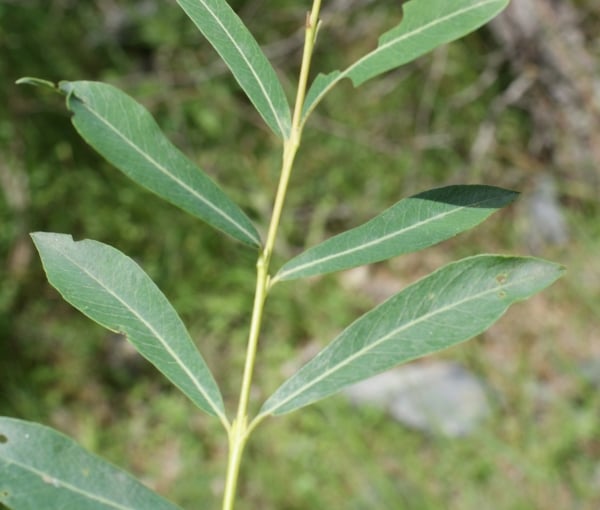
Purple willow
Salix purpurea
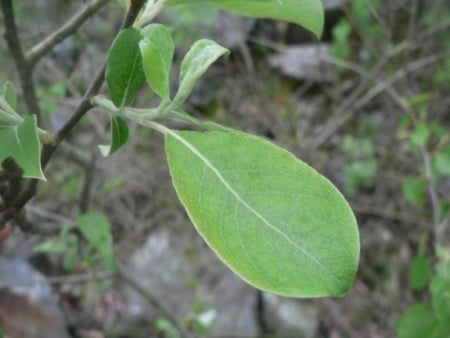
Goat willow
Salix caprea
Goat willow has thicker shoots and broad, ovate leaves, downy beneath, typical of the early silky catkins, whereas purple willow has slender, flexible shoots, often tinged with purple, and narrow leaves.
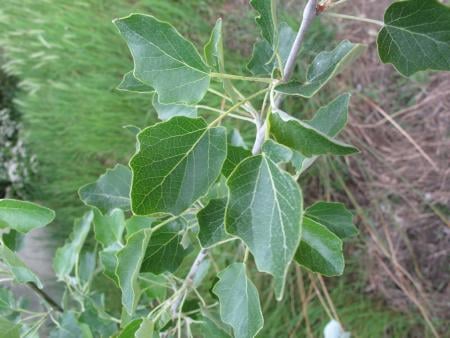
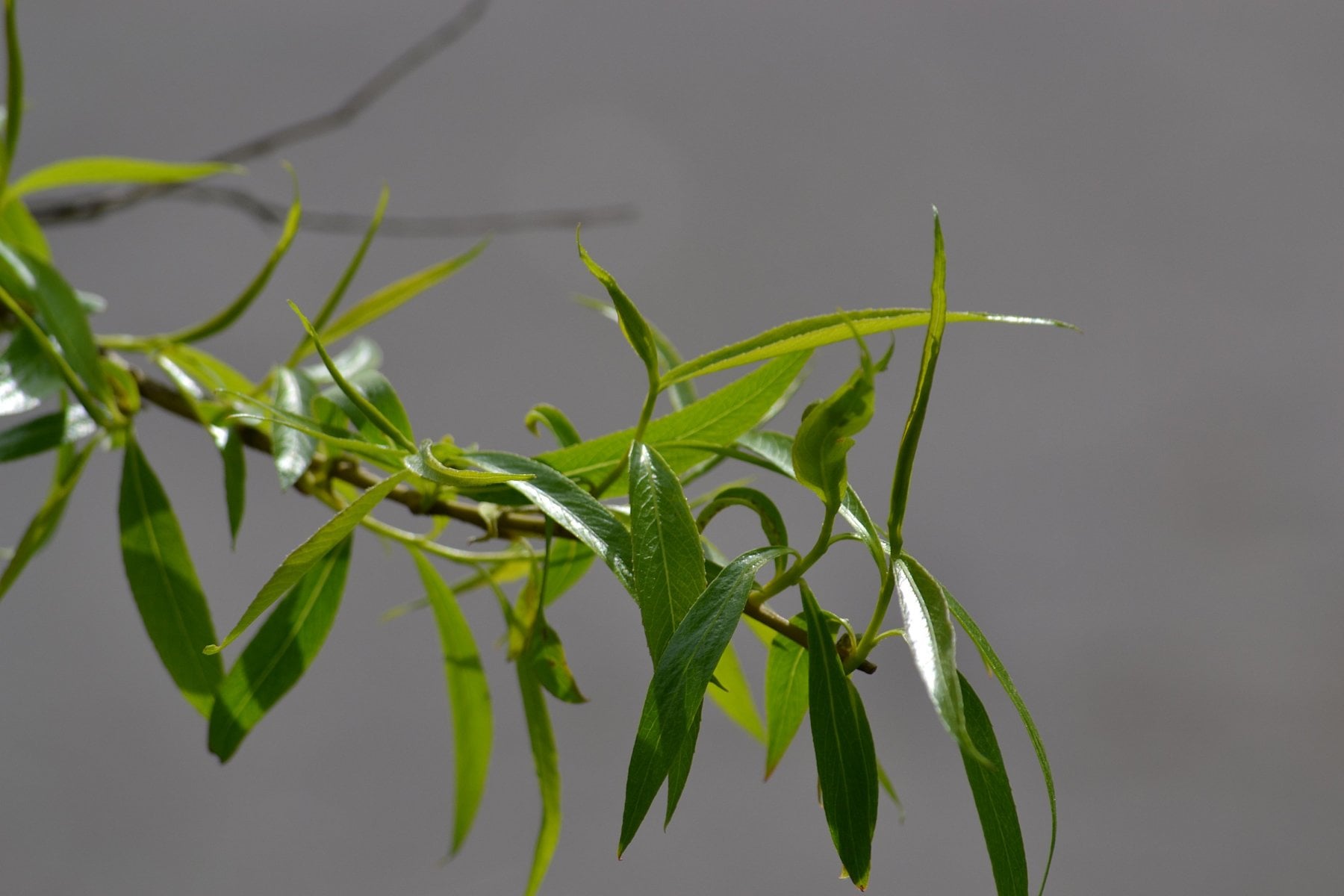
🌿 Other Salicaceae to discover
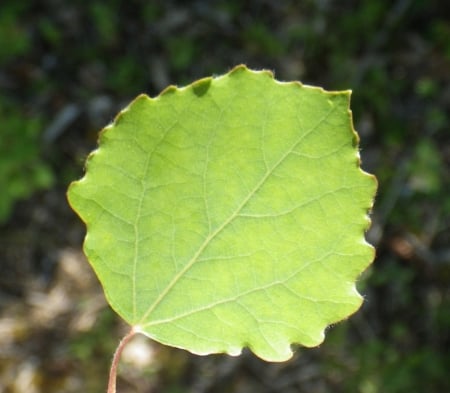
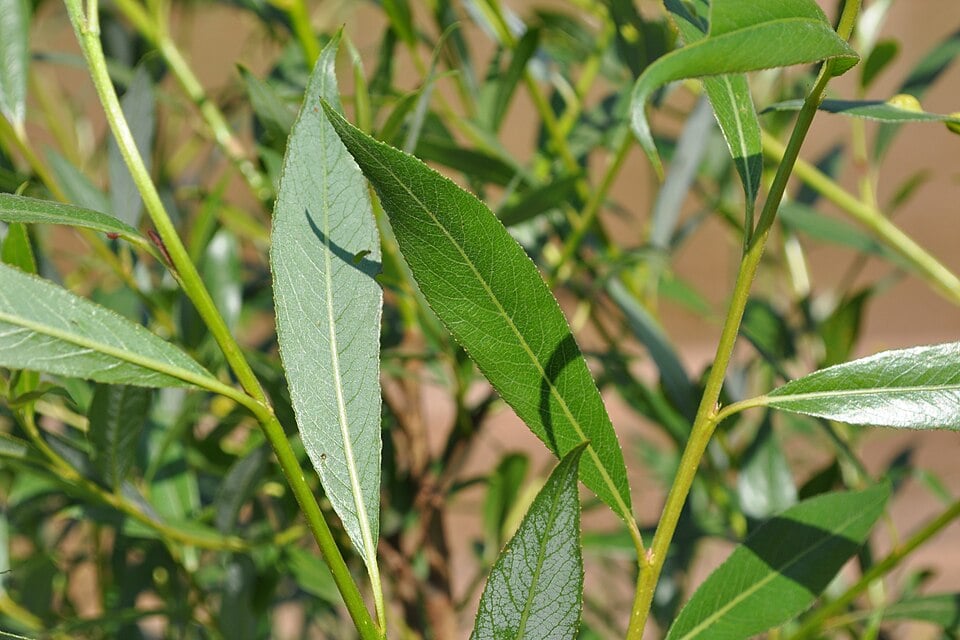
ℹ️ Educational profile — do not use it to judge whether a plant is edible or safe.
🌱 This database is constantly evolving — species and information are added and corrected regularly. Spotted a mistake? Report it below.
© Floraneo — profile content is protected; reproduction without permission is prohibited. Photos remain under their own licence (see the credit shown on each photo).