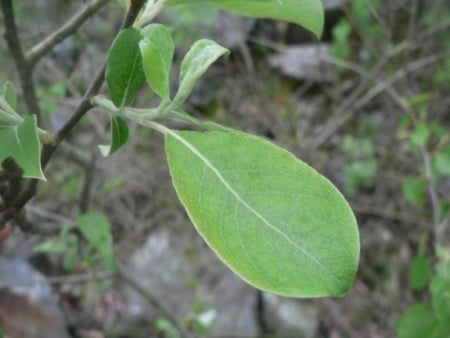
Leaf
Joanna Boisse · CC BY-SA 4.0
Weeping willow
Salix × sepulcralis 'Chrysocoma'
Also known as: Golden weeping willow
Family: Salicaceae
12 to 18 m in height, spread that can exceed 10 to 15 m
Banks of rivers, ponds and lakes, parks and large gardens; cool to damp soils, in a sunny position
Flowering: March to April
Full sun
Part shade
Hardy to -20 / -25°C
❓ How do you recognise this plant?
Its long branches hanging down to the ground make it one of the most easily recognised trees in France, planted near water in almost every public park and garden. White willow normally has an upright, non-drooping habit; only certain horticultural forms of it (such as 'Tristis') have weeping branches. The true weeping willow is recognised by its branches that hang down to the ground from the base of the crown, all around the tree.
🍃 Leaves
Deciduous, long and tapering (lanceolate), glossy green above, paler and whitish beneath, borne on long, flexible, drooping shoots
🌸 Flowers
Pendulous catkins appearing in March–April, before or at the same time as the leaves
🍎 Fruits
Small capsules releasing seeds with cottony plumes
🪵 Bark
Grey, deeply fissured and cracked with age
🗺️ Distribution
Very widely planted throughout France, singly at the water's edge in almost all public parks and gardens
🐝 Value for pollinators
Nectar-rich catkins, one of the first sources of pollen and nectar of spring for bees
✂️ Horticultural uses
Emblematic ornamental tree, planted as a specimen at the edge of water features for its characteristic weeping habit
⚠️ Possible toxicity
Non-toxic. The bark and leaves contain salicin (a compound related to aspirin); eating a large quantity may cause mild digestive discomfort, with no known real danger
⚠️ Look-alike species
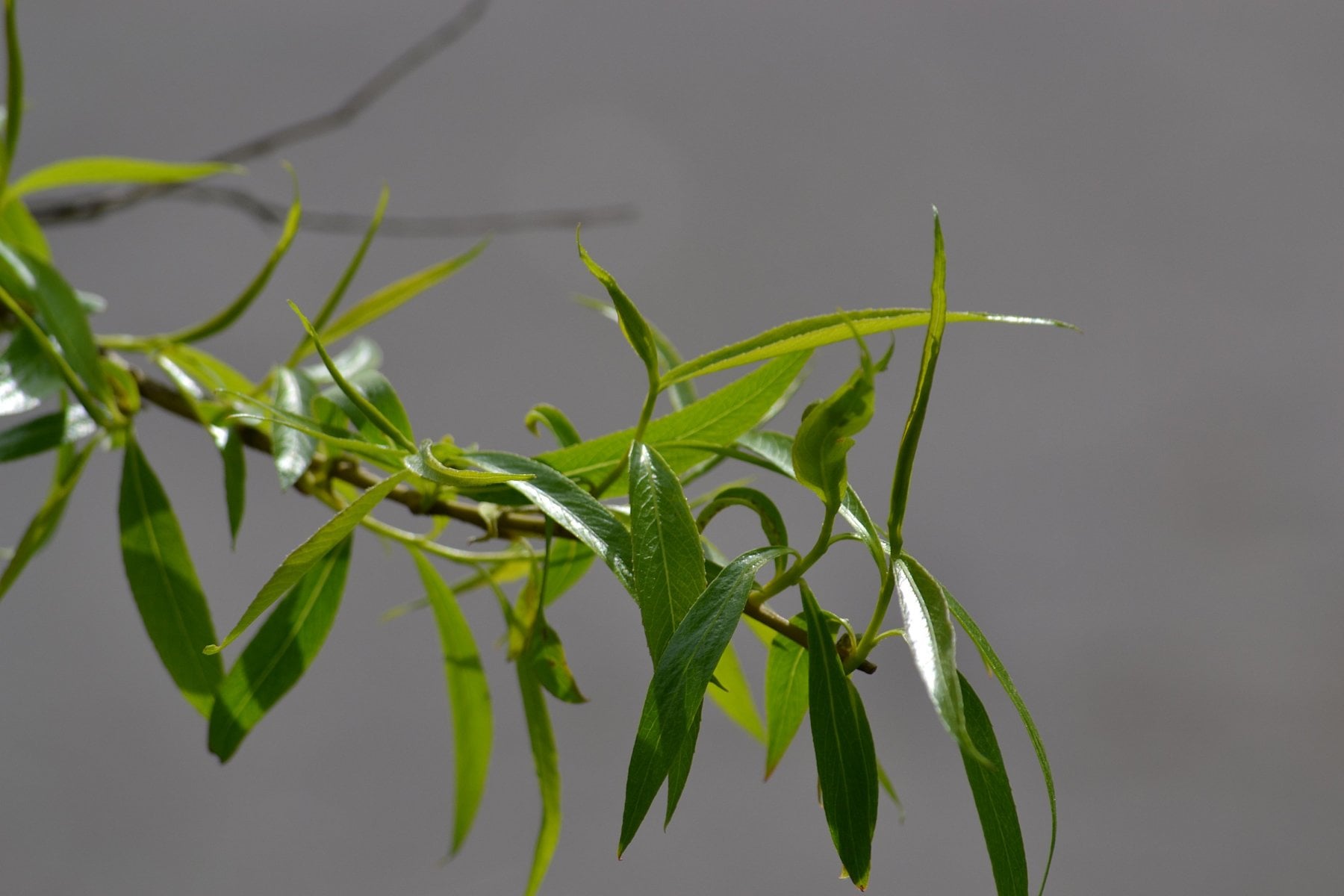
Weeping willow
Salix × sepulcralis 'Chrysocoma'
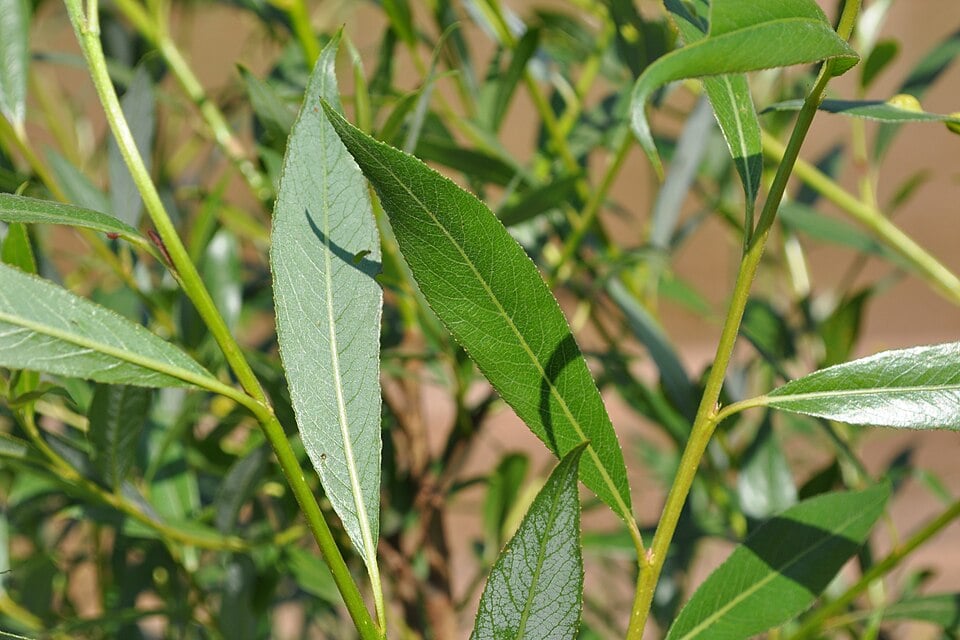
White willow
Salix alba
White willow normally has an upright, non-drooping habit; only certain horticultural forms of it (such as 'Tristis') have weeping branches. The true weeping willow is recognised by its branches that hang down to the ground from the base of the crown, all around the tree.
🌿 Other Salicaceae to discover
ℹ️ Educational profile — do not use it to judge whether a plant is edible or safe.
🌱 This database is constantly evolving — species and information are added and corrected regularly. Spotted a mistake? Report it below.
© Floraneo — profile content is protected; reproduction without permission is prohibited. Photos remain under their own licence (see the credit shown on each photo).