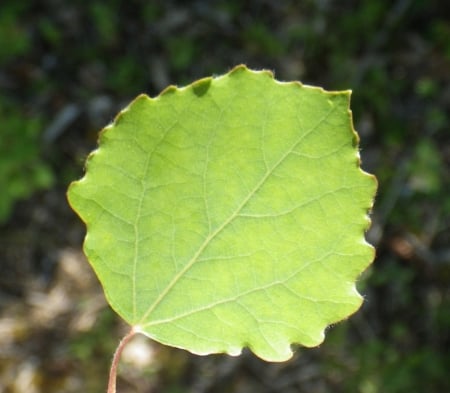
Leaf
Mathieu MENAND, Tela Botanica · CC BY-SA 2.0
Goat willow
Salix caprea L.
Also known as: Pussy willow, Great sallow
Family: Salicaceae
5 to 10 m tall
Woodland edges, forest clearings, cool ground
Flowering: March, before the leaves
Full sun
Part shade
Hardy to -15°C
❓ How do you recognise this plant?
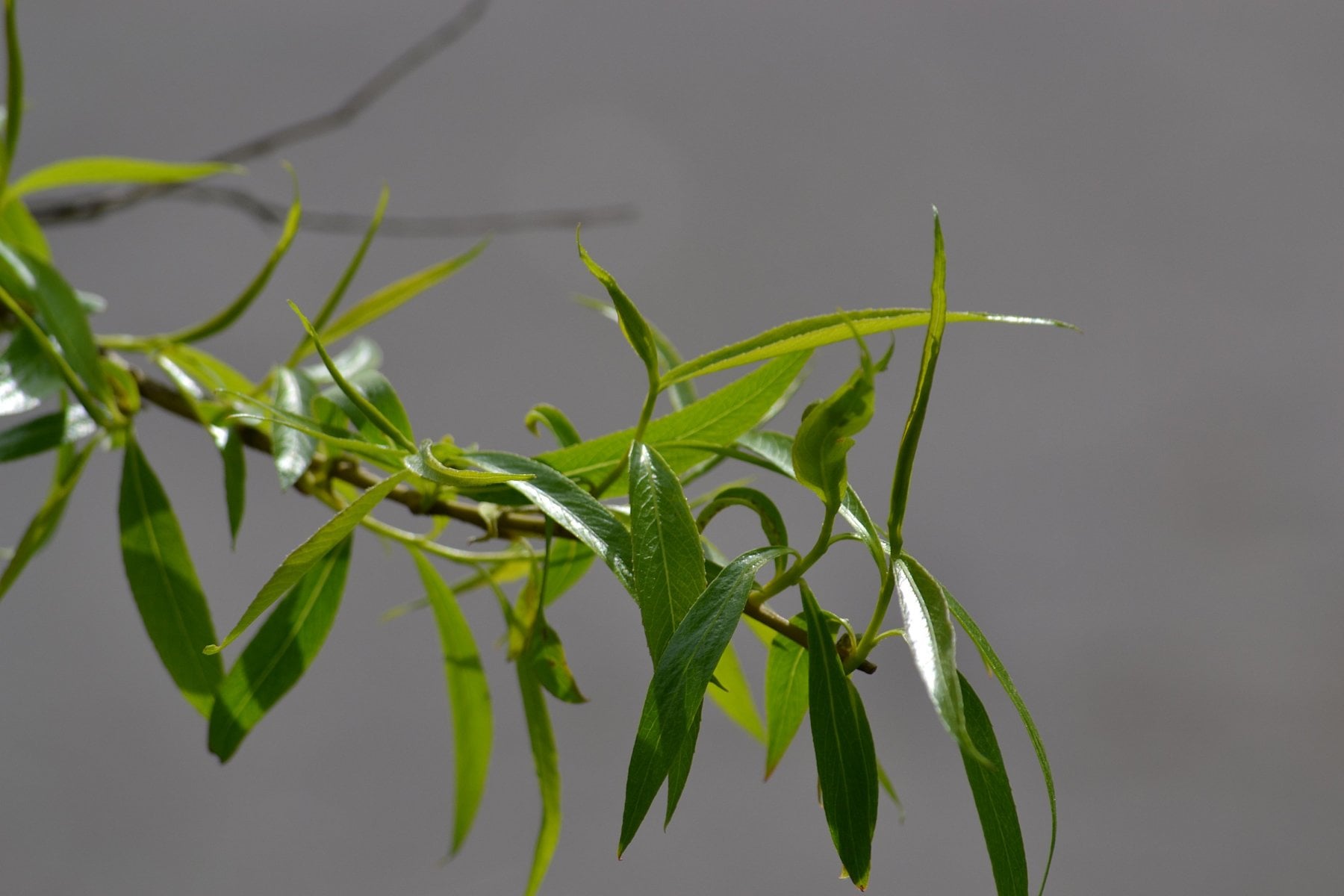
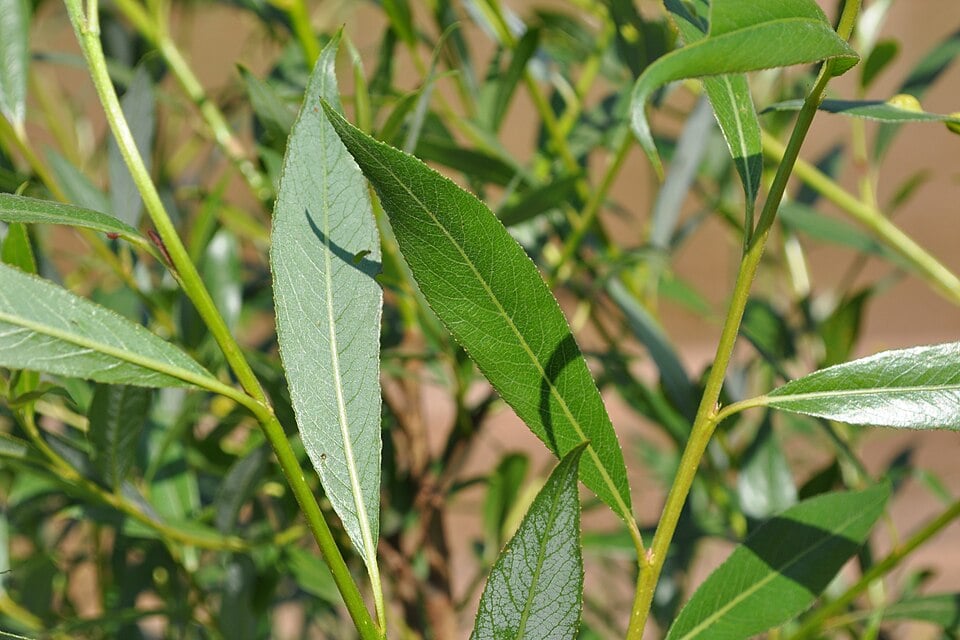
Its large silky catkins, the 'pussy willows', are one of the very first signs of spring. Goat willow has thicker shoots and broad, ovate leaves, downy beneath, typical of the early silky catkins, whereas purple willow has slender, flexible shoots, often tinged with purple, and narrow leaves.
🍃 Leaves
Broad, ovate, crinkled above, grey-felted beneath
🌸 Flowers
Large catkins, silvery then bright yellow (the famous 'pussy willows')
🍎 Fruits
Small capsules with cottony seeds
🪵 Bark
Grey, smooth then fissured
🗺️ Distribution
Europe, temperate Asia; common in France at woodland edges and in clearings
🐝 Value for pollinators
Early silvery catkins ('Easter catkins') very nectar-rich, a crucial source of nectar and pollen for bees in late winter
✂️ Horticultural uses
Planted singly for its decorative early catkins, a valued pioneer species for ecological restoration
⚠️ Possible toxicity
No known toxicity
🌱 Known cultivars
'Kilmarnock'
The cultivar 'Kilmarnock' is grafted on a stem and cascades down, with weeping shoots covered in silvery catkins, forming a small umbrella-shaped tree very different from the large upright tree of the wild species. Discovered in the 19th century near Ayr in Scotland and propagated by Thomas Lang of Kilmarnock, it is now almost systematically the form sold in nurseries for small gardens.
⚠️ Look-alike species
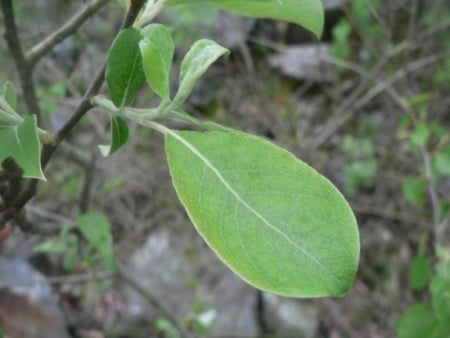
Goat willow
Salix caprea
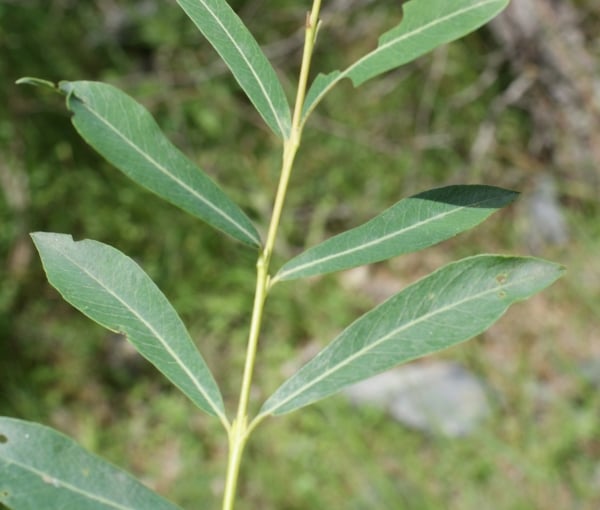
Purple willow
Salix purpurea
Goat willow has thicker shoots and broad, ovate leaves, downy beneath, typical of the early silky catkins, whereas purple willow has slender, flexible shoots, often tinged with purple, and narrow leaves.
Goat willow
Salix caprea
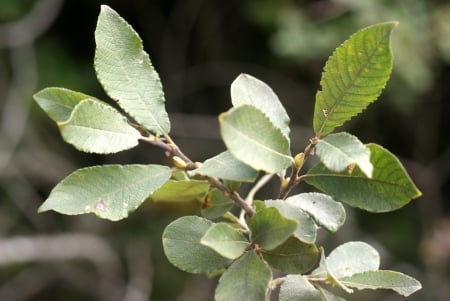
Grey willow
Salix cinerea
Goat willow has broader leaves and shoots that quickly become hairless, whereas grey willow keeps densely greyish-downy shoots and leaf undersides for longer.
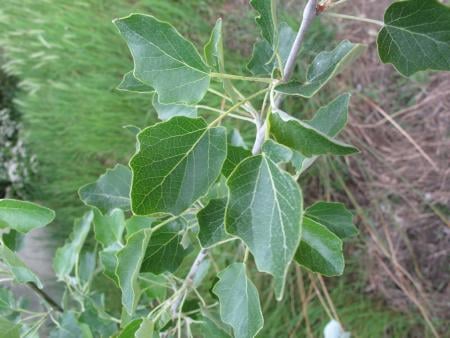
🌿 Other Salicaceae to discover
ℹ️ Educational profile — do not use it to judge whether a plant is edible or safe.
🌱 This database is constantly evolving — species and information are added and corrected regularly. Spotted a mistake? Report it below.
© Floraneo — profile content is protected; reproduction without permission is prohibited. Photos remain under their own licence (see the credit shown on each photo).