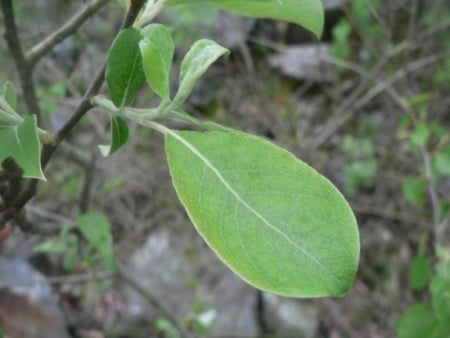
Leaf
antoineval, Tela Botanica · CC BY-SA 2.0
White poplar
Populus alba L.
Also known as: Abele
Family: Salicaceae
20 to 30 m tall
Riverbanks, alluvial plains
Flowering: February – March
Part shade
Full sun
-34°C
❓ How do you recognise this plant?
The white, felted undersides of the leaves shimmer in the wind — an instant identification clue. Both have foliage that trembles in the wind, but white poplar has white, downy leaf undersides, whereas aspen has leaves that are green on both sides with a long, flattened petiole that causes the trembling.
🍃 Leaves
Lobed like a maple leaf, underside white and felted
🌸 Flowers
Silvery-grey catkins
🍎 Fruits
Capsules with cottony seeds
🪵 Bark
Greyish-white, smooth, marked with dark diamond-shaped patches
🗺️ Distribution
Europe, western Asia, North Africa; common in France along watercourses, especially in the south
🐝 Value for pollinators
Early catkins producing pollen, of little attraction to insects
✂️ Horticultural uses
Planted in avenues and along riverbanks, valued for the silvery-white undersides of its leaves
⚠️ Possible toxicity
No known toxicity
🌱 Known cultivars
'Pyramidalis'
This cultivar grows in a narrow, upright column, very different from the broad, spreading habit of the wild species, while keeping the silvery leaf undersides typical of the species.
⚠️ Look-alike species
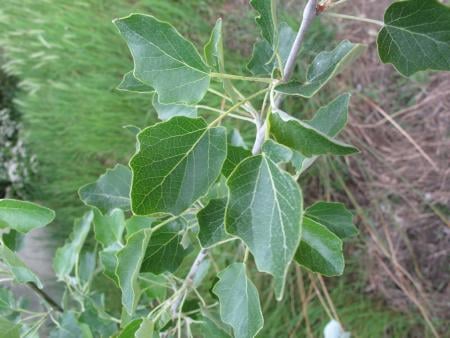
White poplar
Populus alba
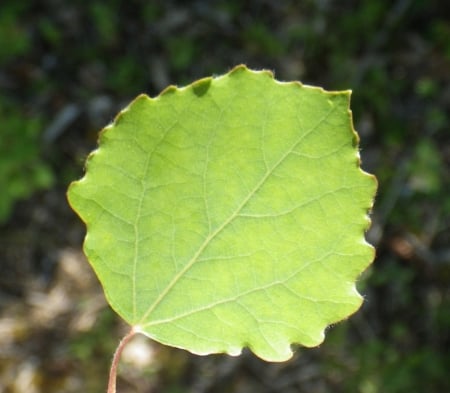
European aspen
Populus tremula
Both have foliage that trembles in the wind, but white poplar has white, downy leaf undersides, whereas aspen has leaves that are green on both sides with a long, flattened petiole that causes the trembling.
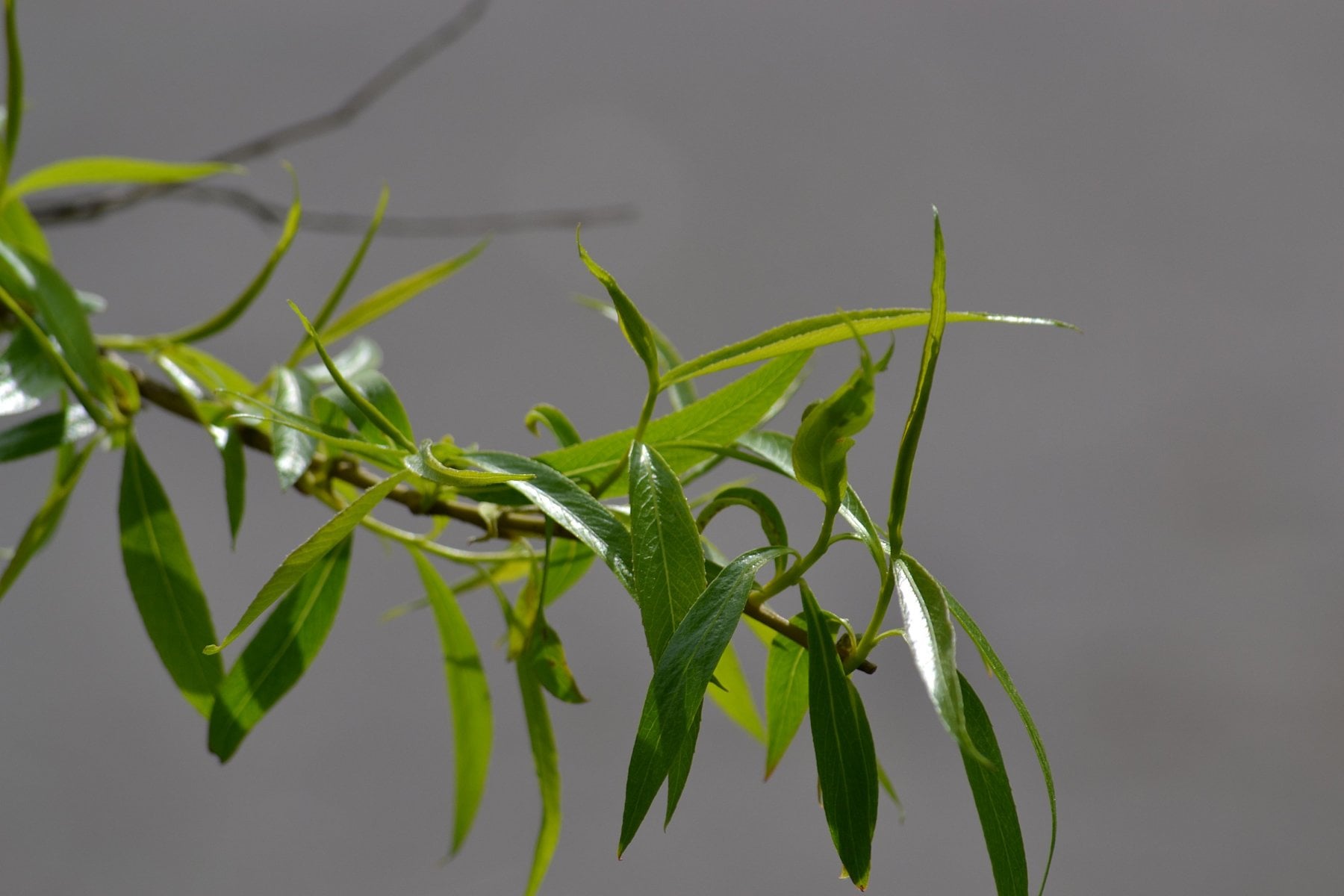
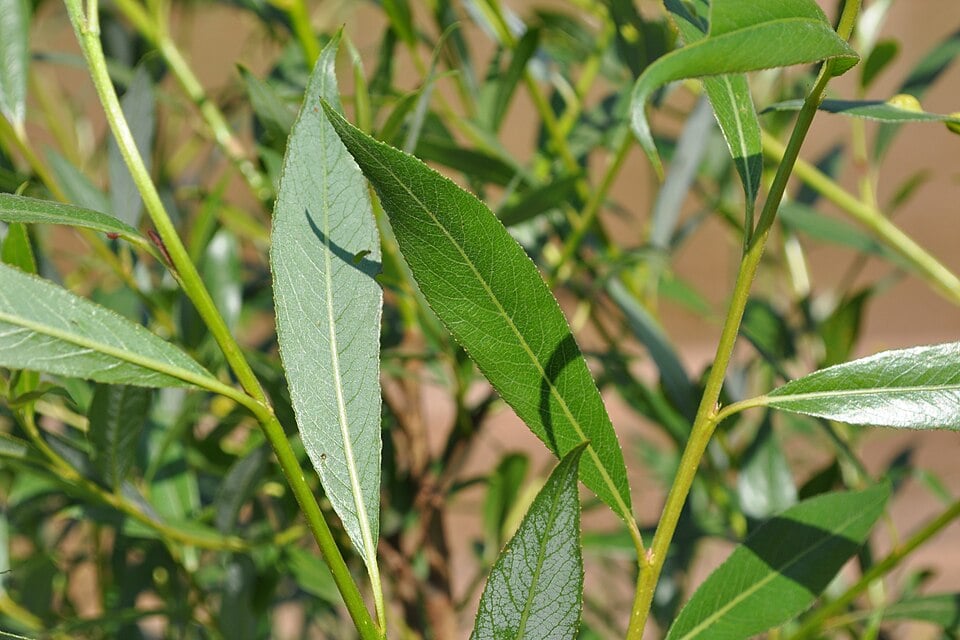
🌿 Other Salicaceae to discover
ℹ️ Educational profile — do not use it to judge whether a plant is edible or safe.
🌱 This database is constantly evolving — species and information are added and corrected regularly. Spotted a mistake? Report it below.
© Floraneo — profile content is protected; reproduction without permission is prohibited. Photos remain under their own licence (see the credit shown on each photo).