Leaf
Agnieszka Kwiecień, Wikimedia · CC BY-SA 4.0
- 60 cm to 1 m tall
- Planted in a sunny bed, rich, free-draining soils
- Full sun
- Very hardy, to about -25°C
In flower from May to June
2 months❓ How do you recognise this plant?
The deep black centre at the heart of the orange-red petals of the oriental poppy creates a striking contrast that guides bumblebees straight to the pollen — a visual marker almost as clear as a target. Same family and same crumpled flower shape, but the wild common poppy is smaller and bright red with an inconspicuous black centre, whereas the cultivated oriental poppy is much larger, often orange, with a very pronounced black centre.
Learn to recognise it
Classic spring flowers. This plant is in the lesson “Classic spring flowers”, with 11 others.
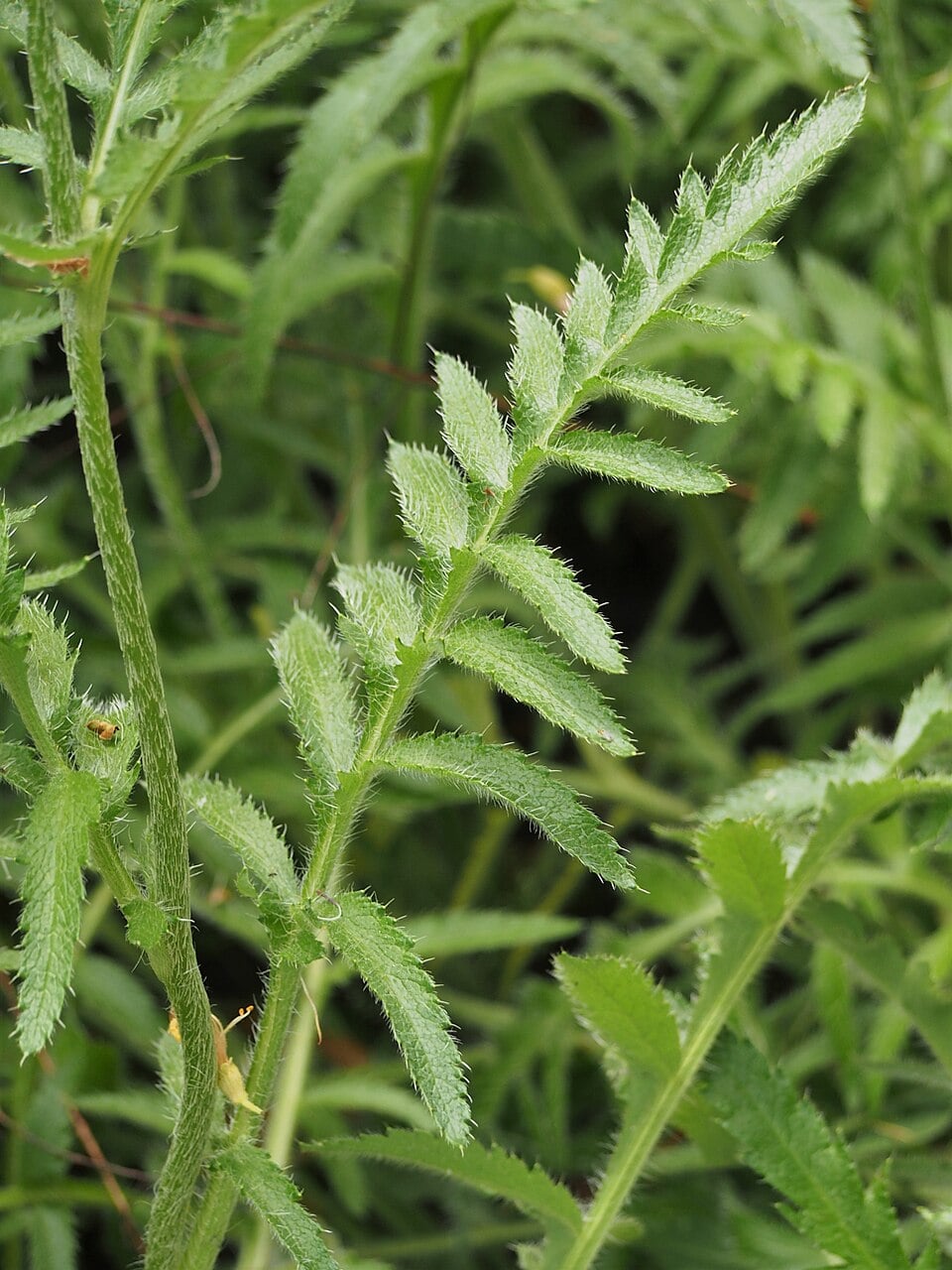
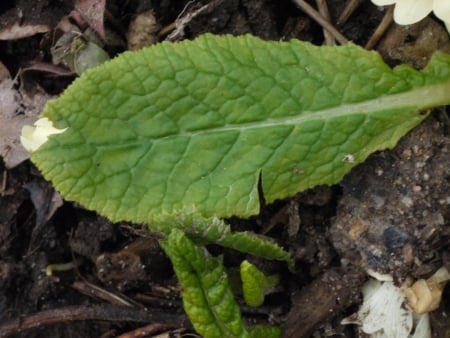

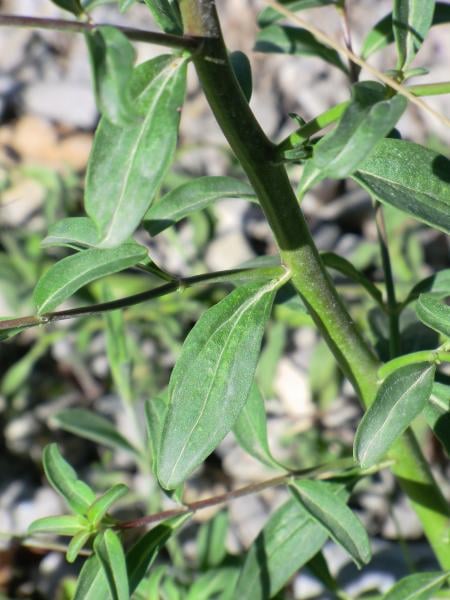

🍃 Leaves
Large, cut, hairy, forming a basal clump
🌸 Flowers
Very large, bright orange-red, with a spectacular black centre, silky, crumpled petals
🍎 Fruits
Large ovoid capsule, decorative when dry
🌿 Stem and habit
Herbaceous perennial clump, hairy stem exuding a yellowish latex when cut
Distribution, pollinators, uses
🗺️ Distribution
Native to the Caucasus and Asia Minor; widely grown in France as a border perennial
🐝 Value for pollinators
Large, very nectar-rich flower, extremely attractive to bumblebees and bees in spring
✂️ Horticultural uses
Spectacular border perennial, planted for its early, flamboyant flowering; the foliage dies back after flowering
⚠️ Possible toxicity
Latex slightly irritant on contact; all parts slightly toxic if ingested
⚠️ Look-alike species
Oriental poppy
Papaver orientale

Corn poppy
Papaver rhoeas
Same family and same crumpled flower shape, but the wild common poppy is smaller and bright red with an inconspicuous black centre, whereas the cultivated oriental poppy is much larger, often orange, with a very pronounced black centre.
🌿 Other Papaveraceae to discover


ℹ️ Educational profile — do not use it to judge whether a plant is edible or safe.
🌱 This database is constantly evolving — species and information are added and corrected regularly. Spotted a mistake? Report it below.
© Floraneo — profile content is protected; reproduction without permission is prohibited. Photos remain under their own licence (see the credit shown on each photo).