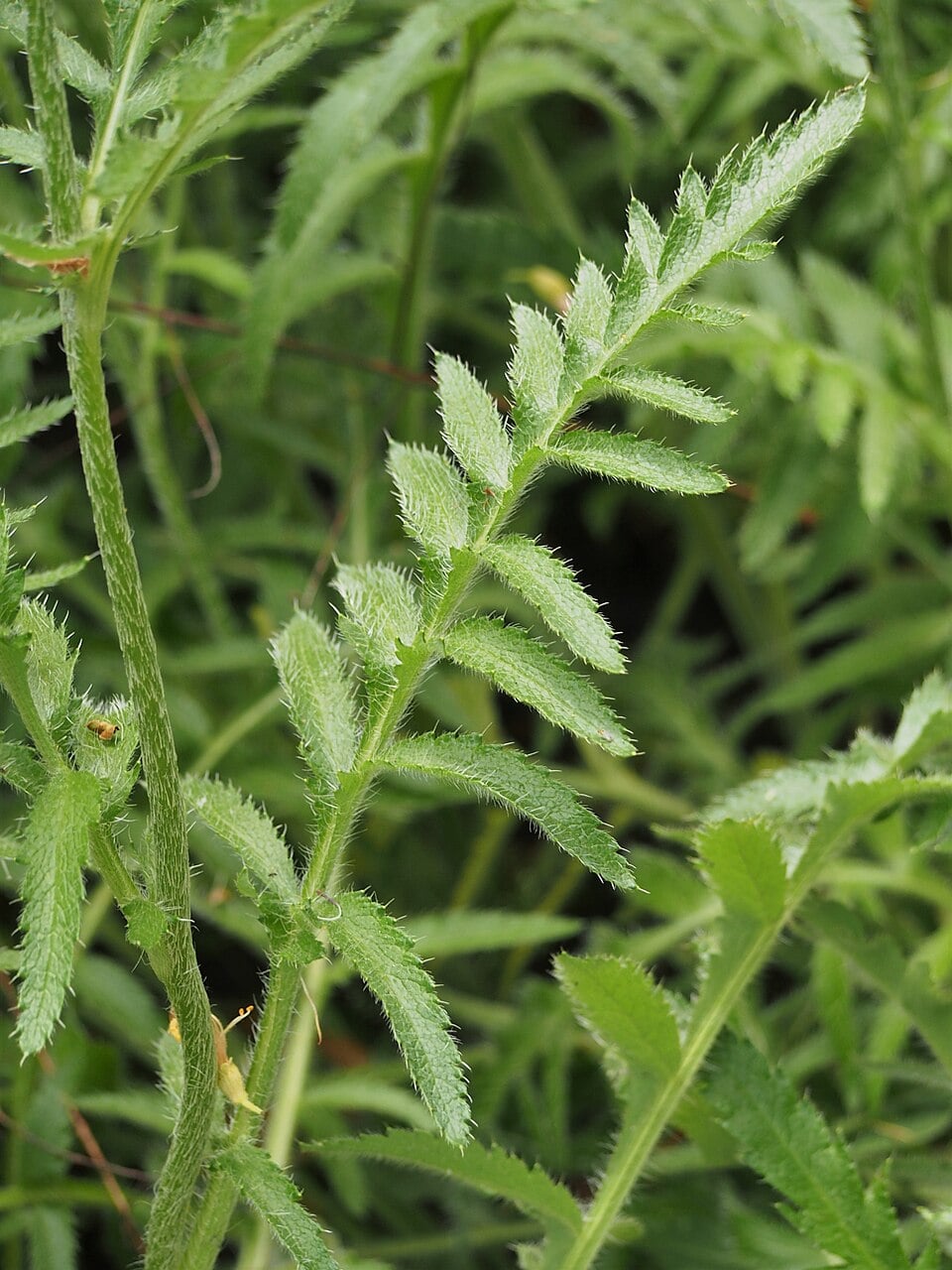
Leaf
Genevieve Botti, Tela Botanica · CC BY-SA 2.0
Corn poppy
Papaver rhoeas L.
Also known as: Common poppy, Field poppy, Flanders poppy
Family: Papaveraceae
- 30 to 60 cm
- Cultivated fields, waste ground, roadsides
- Full sun
- Hardy to -15°C
In flower from May to July
3 months❓ How do you recognise this plant?
Pepper-pot-shaped capsule — when shaken, it scatters its seeds through small holes at the top. Same family and same crinkled flower shape, but the wild common poppy is smaller and bright red with a discreet black centre, whereas the cultivated Oriental poppy is much larger, often orange, with a very marked black centre.
Learn to recognise it
Field and garden flowers. This plant is in the lesson “Field and garden flowers”, with 11 others.

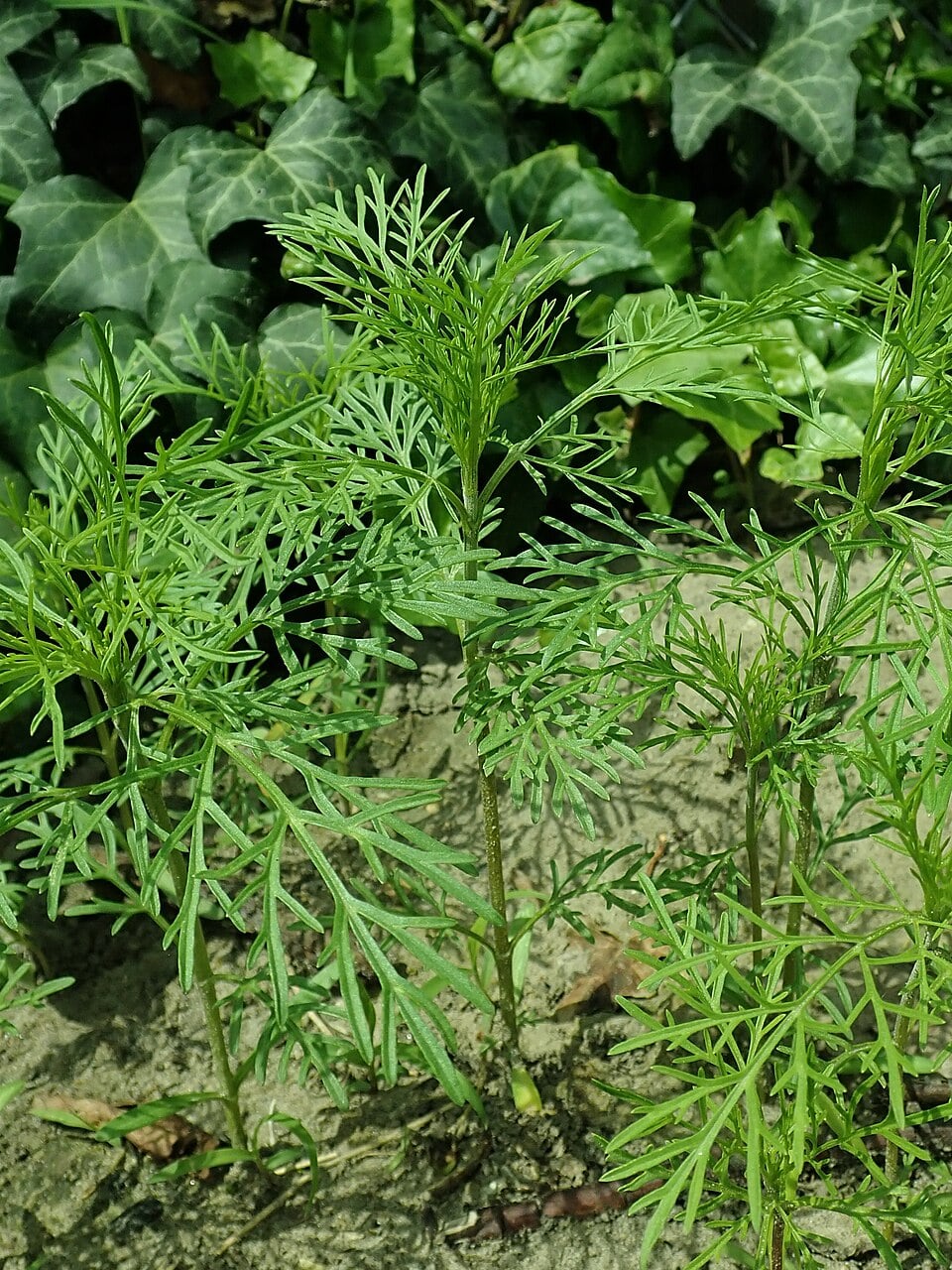
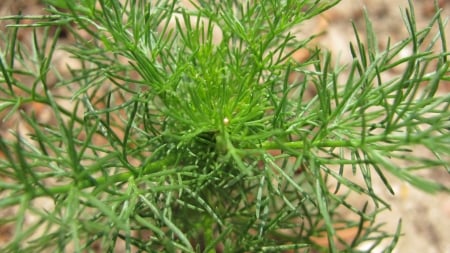
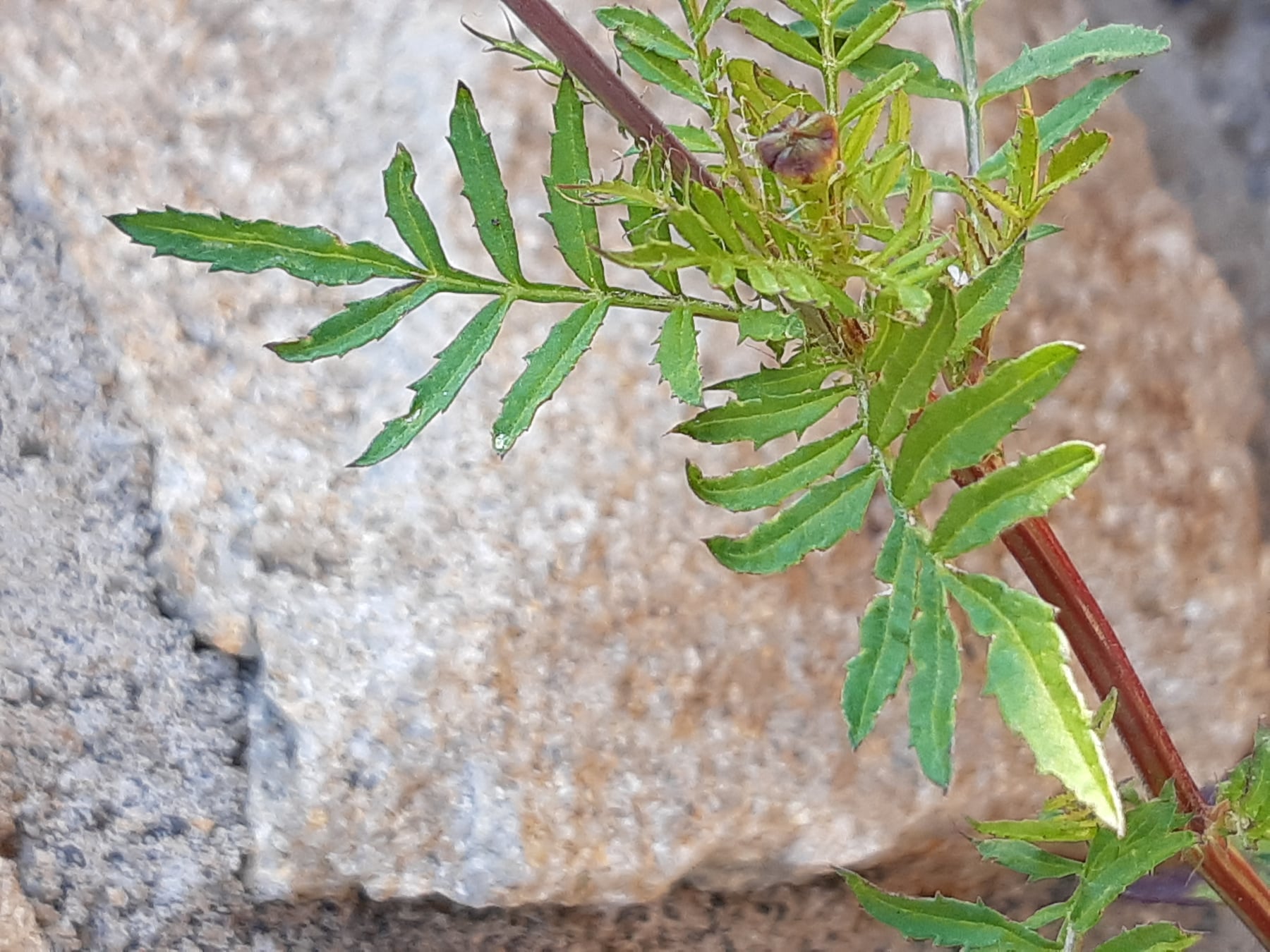
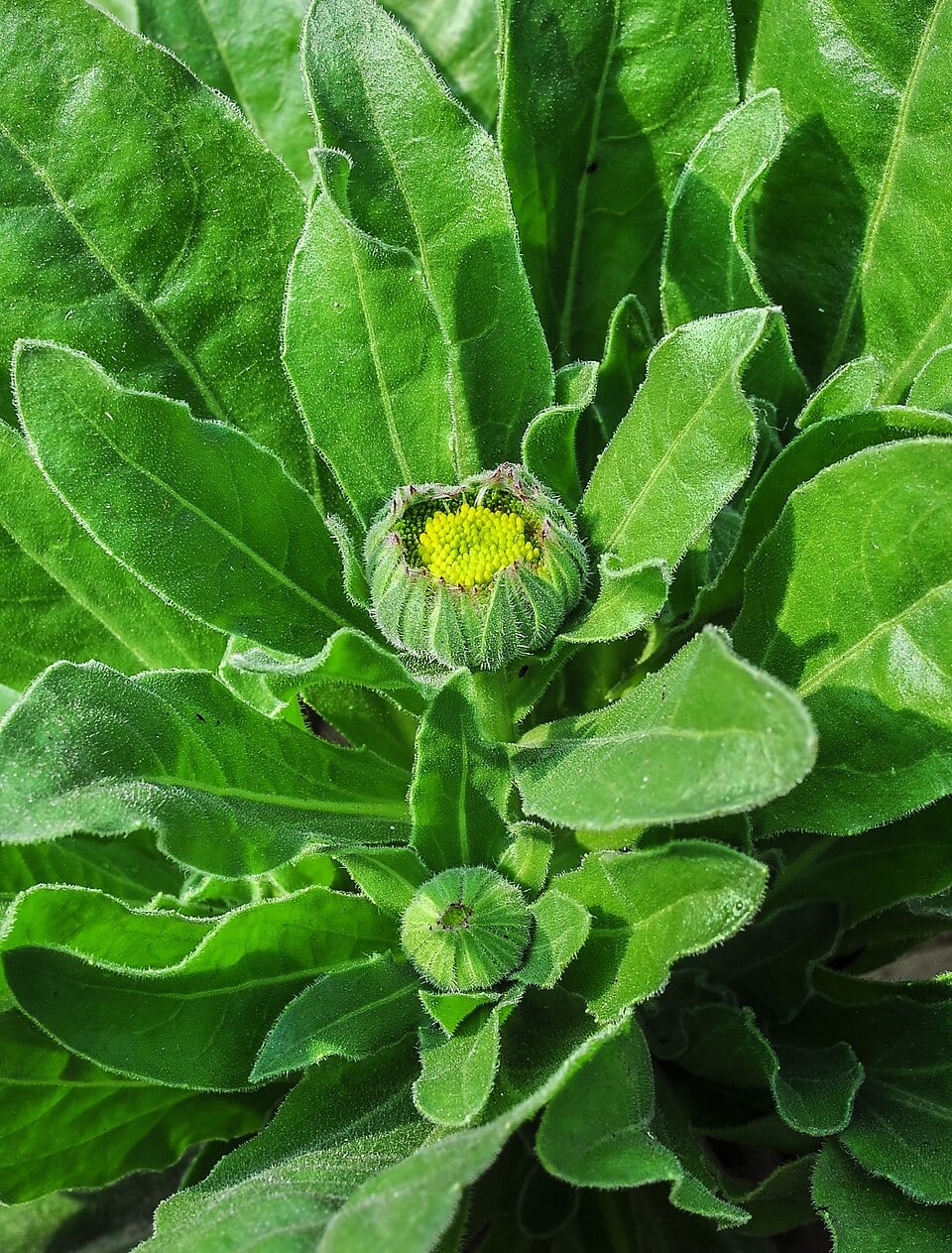
🍃 Leaves
Divided, hairy, alternate
🌸 Flowers
Bright red, four crinkled petals, black centre
🍎 Fruits
Ovoid capsule shaped like a small pepper pot, tiny seeds
🌿 Stem and habit
Annual herbaceous plant with an upright stem, often branched, covered in hairs.
Distribution, pollinators, uses
🗺️ Distribution
Europe, North Africa, western Asia; very common in France in cornfields and field margins
🐝 Value for pollinators
Red flowers rich in pollen (no nectar), much visited by bees and bumblebees
✂️ Horticultural uses
Sown in wildflower meadows and country mixes, grown in borders for its summer flowering
⚠️ Possible toxicity
The plant contains alkaloids and should not be eaten in large quantities. Do not recommend food use of the wild plant without proper preparation and identification.
⚠️ Look-alike species
Corn poppy
Papaver rhoeas
Oriental poppy
Papaver orientale
Same family and same crinkled flower shape, but the wild common poppy is smaller and bright red with a discreet black centre, whereas the cultivated Oriental poppy is much larger, often orange, with a very marked black centre.
🌿 Other Papaveraceae to discover


ℹ️ Educational profile — do not use it to judge whether a plant is edible or safe.
🌱 This database is constantly evolving — species and information are added and corrected regularly. Spotted a mistake? Report it below.
© Floraneo — profile content is protected; reproduction without permission is prohibited. Photos remain under their own licence (see the credit shown on each photo).