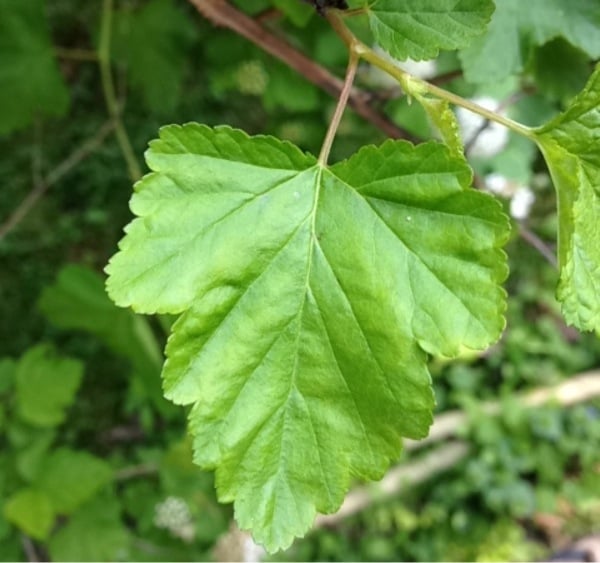
Leaf
Hervé Goëau, Tela Botanica · CC BY-SA 2.0
Ninebark
Physocarpus opulifolius (L.) Raf.
Also known as: Common ninebark, Atlantic ninebark
Family: Rosaceae
- 2 to 3 m tall
- Planted as a hedge or specimen, ordinary soils, tolerates wet soils
- Full sun, Part shade
- Very hardy, to about -30°C
In flower from May to June
2 months❓ How do you recognise this plant?
The bark of ninebark peels off in thin overlapping strips with age, a little like birch — a feature that adds winter interest once the leaves have fallen.
Learn to recognise it
Wild roses and assorted shrubs. This plant is in the lesson “Wild roses and assorted shrubs”, with 8 others.
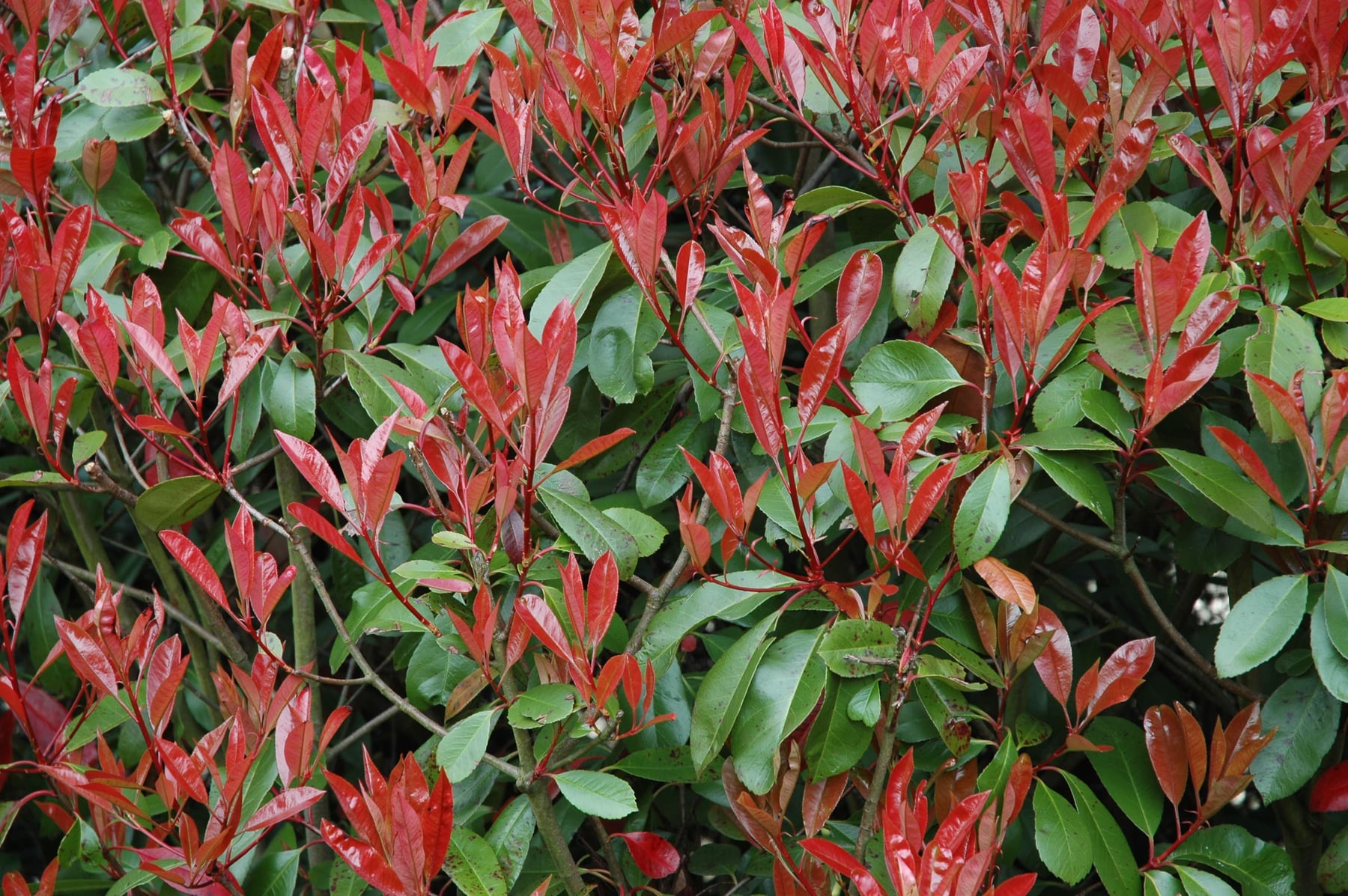
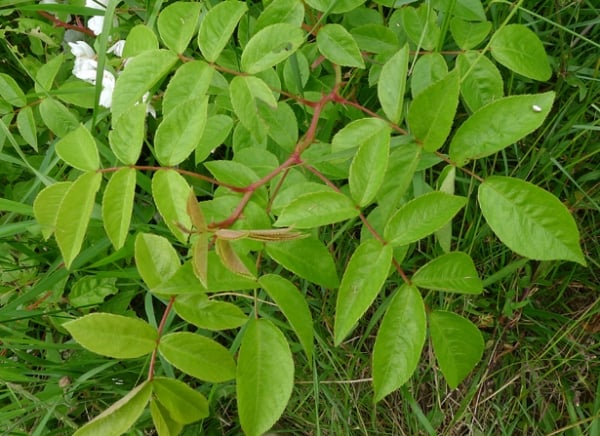
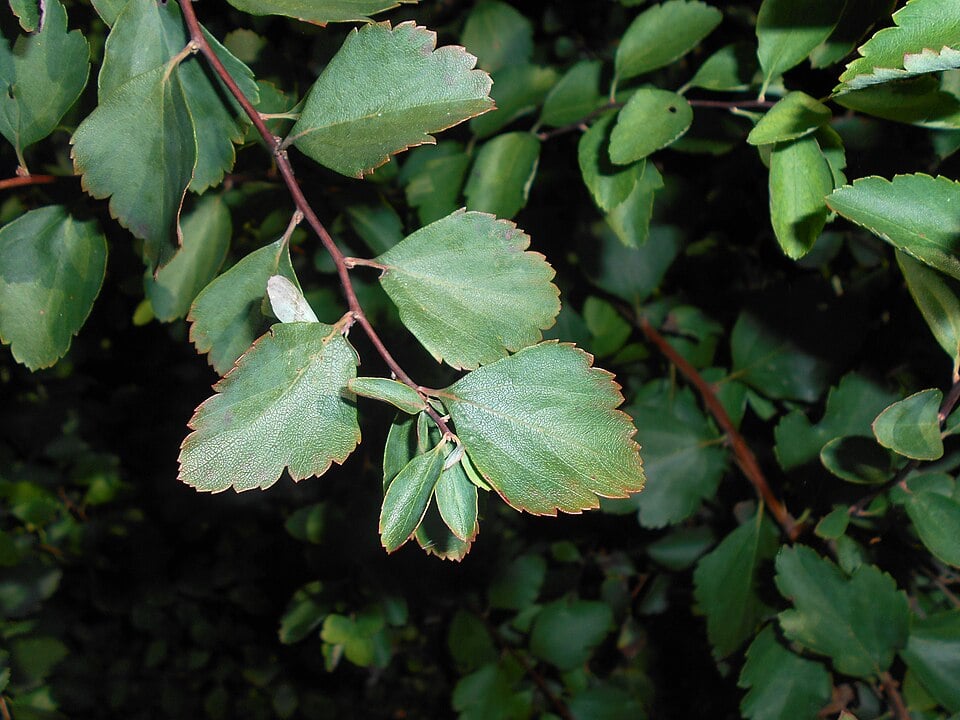

🍃 Leaves
Deciduous, with 3-5 lobes, bright green or purple depending on variety
🌸 Flowers
White to pinkish, grouped in small round clusters
🍎 Fruits
Small, inflated reddish capsule, decorative
🪵 Bark
Brown, peeling in thin strips with age
Distribution, pollinators, uses
🗺️ Distribution
Native to North America; widely planted in France as an ornamental shrub, notably in purple-leaved varieties
🐝 Value for pollinators
Nectar-rich flowering, visited by bees in spring
✂️ Horticultural uses
Ornamental shrub planted for its coloured foliage (green, purple or golden depending on variety) and decorative fruits, very hardy
⚠️ Possible toxicity
No notable toxicity known
🌱 Known cultivars
Diabolo
The first purple-black-leaved ninebark ever marketed (1999), which launched a whole horticultural fashion; large white-pink flower clusters in balls in spring over spectacular dark foliage all season.
Dart's Gold
Bright golden-yellow foliage in spring, which naturally turns pale chartreuse-green in midsummer then takes on bronze tones in autumn; a compact, rounded Dutch selection (Darthuizer nursery), awarded the RHS AGM.
Lady in Red
Brighter, more luminous red foliage than that of Diabolo, on a dense, regular habit from a young age — a more compact and more colourful alternative to the classic purple ninebarks.
🌿 Other Rosaceae to discover
ℹ️ Educational profile — do not use it to judge whether a plant is edible or safe.
🌱 This database is constantly evolving — species and information are added and corrected regularly. Spotted a mistake? Report it below.
© Floraneo — profile content is protected; reproduction without permission is prohibited. Photos remain under their own licence (see the credit shown on each photo).