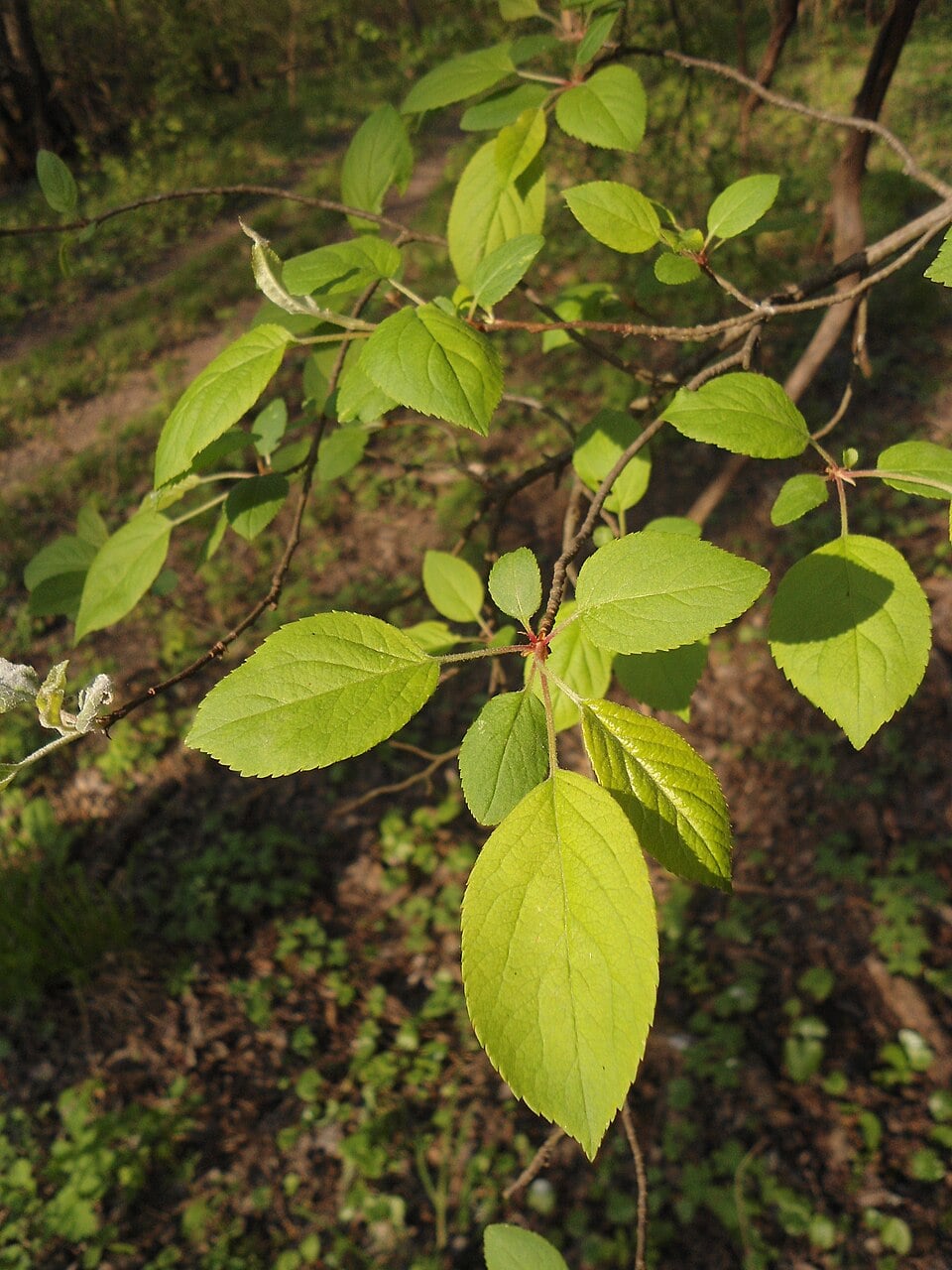
Leaf
Alpsdake · CC0
Nashi pear
Pyrus pyrifolia (Burm.f.) Nakai
Also known as: Asian pear, Japanese pear, Sand pear
Family: Rosaceae
4 to 8 m tall
Planted in orchards, deep, well-drained soils
Flowering: April, before or with the leaves
Full sun
Fairly hardy, to about -15°C, sensitive to late frosts on the flowering
❓ How do you recognise this plant?
Nashi owes its crisp texture, unusual in a pome fruit, to small stony cells scattered through its flesh — the same cells that give the European pear its gritty texture, but in far greater numbers. Nashi produces a fruit that is round like an apple and very crisp, whereas the pear of the European pear tree has the classic curved shape and melting flesh.
🍃 Leaves
Ovate, finely toothed, glossy, taking on attractive autumn tints
🌸 Flowers
White, grouped in corymbs, appearing early in spring
🍎 Fruits
Large round fruit, crisp and juicy, apple-like in shape but pear-like in flavour
🪵 Bark
Grey, cracking slightly with age
🗺️ Distribution
Native to East Asia; grown in orchards in France for a few decades
🐝 Value for pollinators
Spring flowering rich in nectar, appreciated by bees; often needs a compatible pollinator to fruit well
✂️ Horticultural uses
Orchard fruit tree, valued for its unusual crisp fruit and decorative spring blossom
⚠️ Possible toxicity
Edible fruit; like other members of the rose family, the pips contain a small amount of amygdalin, harmless at normal doses
⚠️ Look-alike species
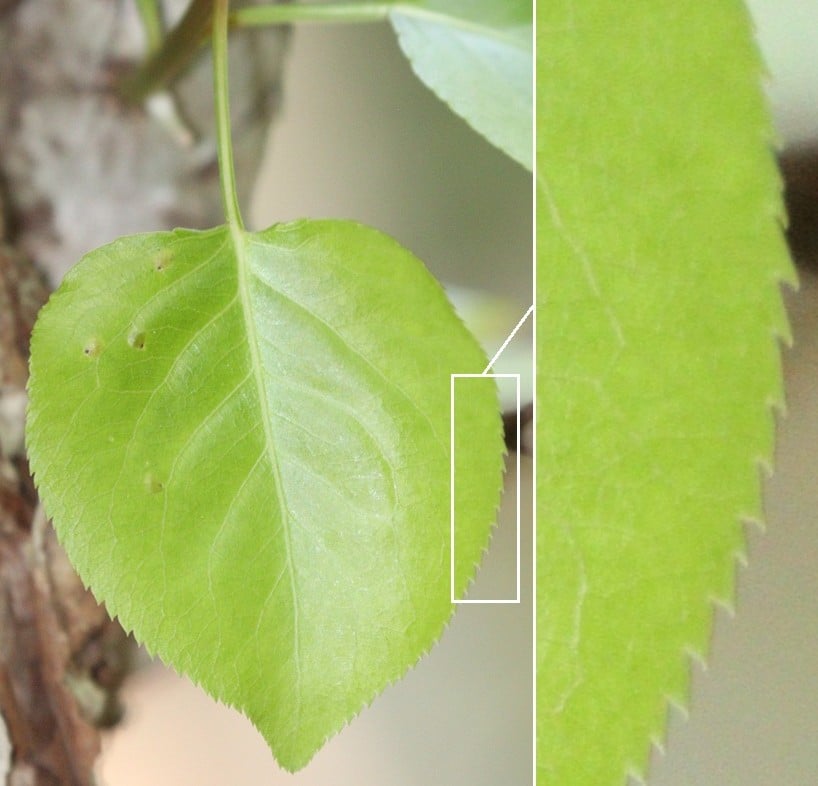
Nashi pear
Pyrus pyrifolia
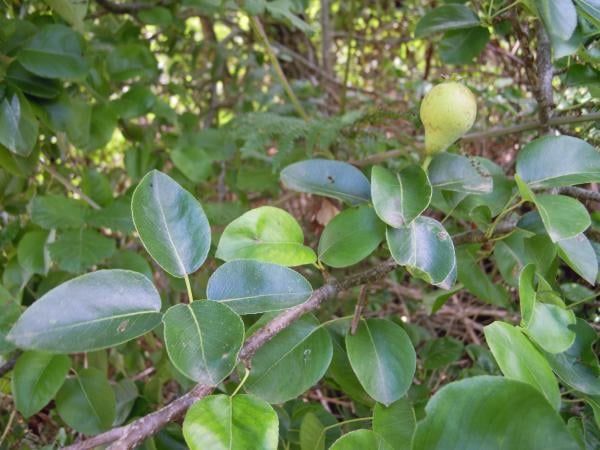
Common pear
Pyrus communis
Nashi produces a fruit that is round like an apple and very crisp, whereas the pear of the European pear tree has the classic curved shape and melting flesh.
🌿 Other Rosaceae to discover
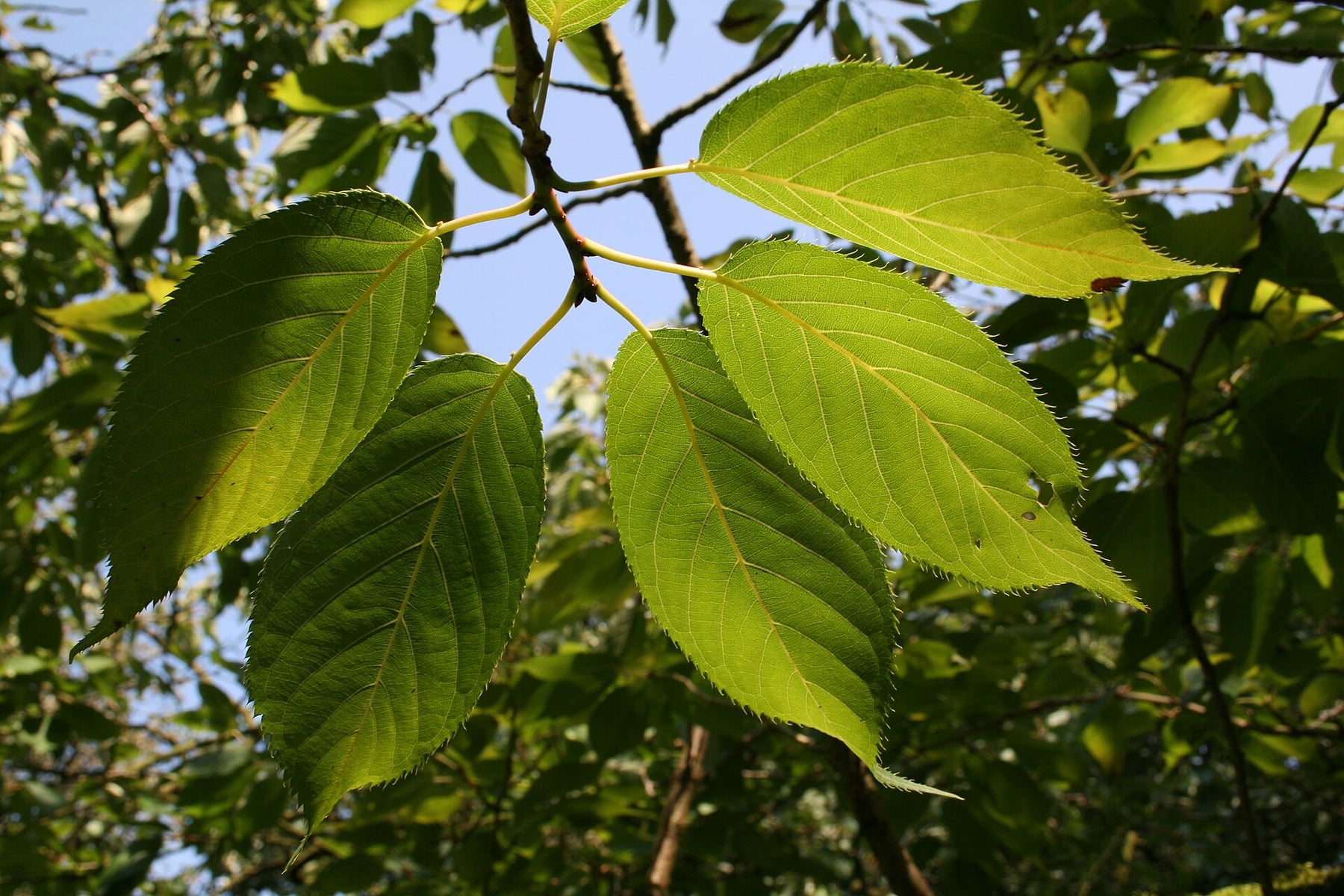
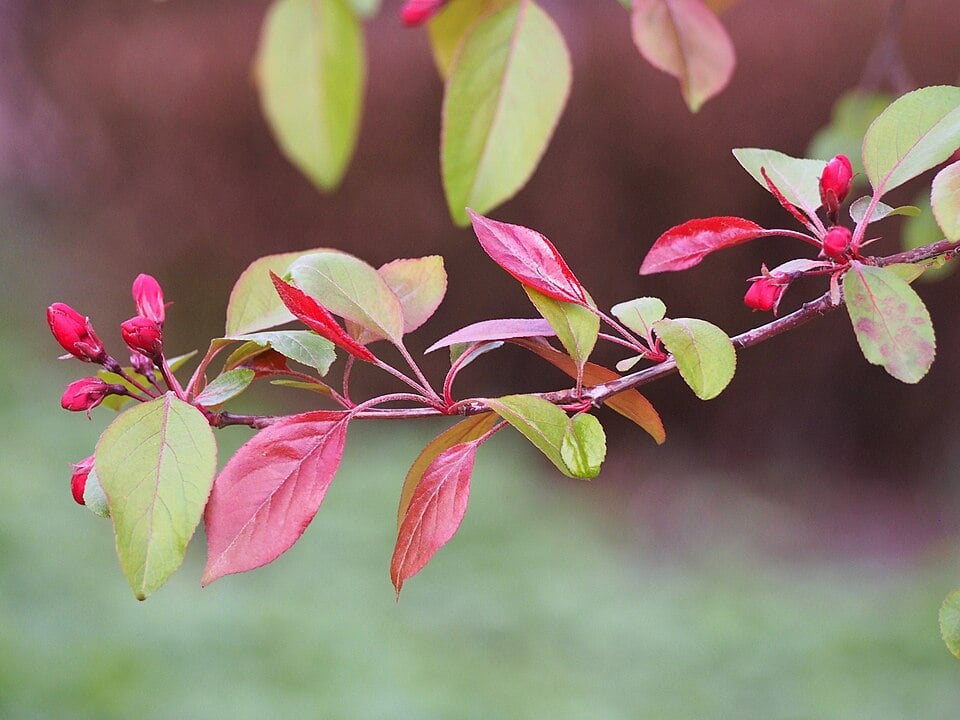
ℹ️ Educational profile — do not use it to judge whether a plant is edible or safe.
🌱 This database is constantly evolving — species and information are added and corrected regularly. Spotted a mistake? Report it below.
© Floraneo — profile content is protected; reproduction without permission is prohibited. Photos remain under their own licence (see the credit shown on each photo).