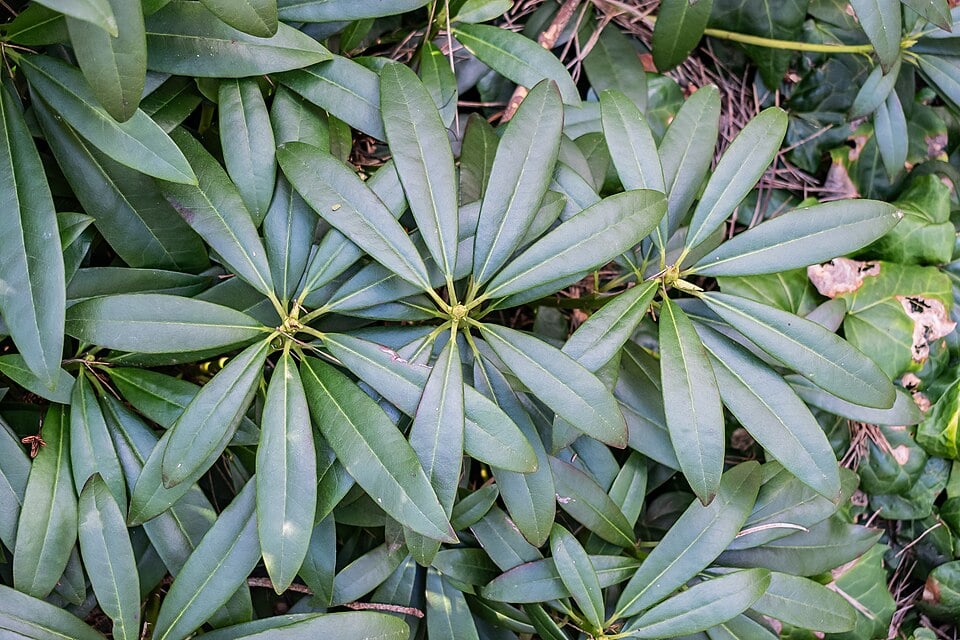
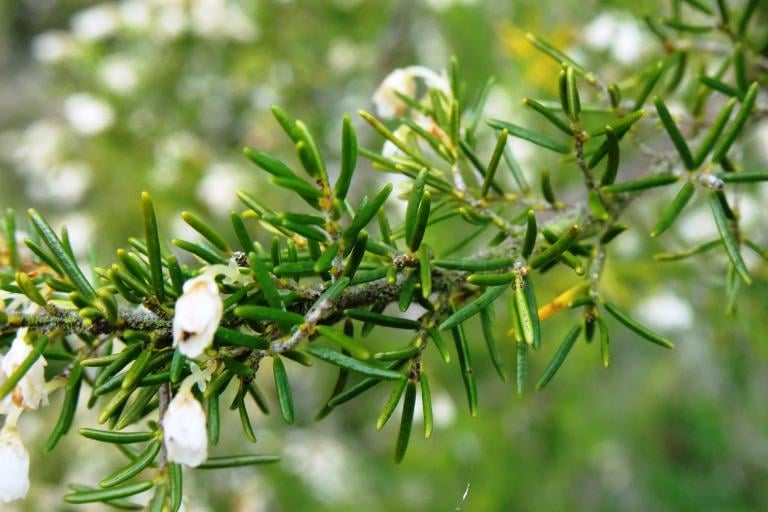
Leaf
Derek Ramsey (Ram-Man), Wikimedia · GFDL-1.2
- 1.5 to 3 m tall
- Acid, moist, free-draining soil, in light woodland or an ericaceous border
- Part shade
- Hardy to about -25°C
In flower from May to June
2 months❓ How do you recognise this plant?
Its flowers hide a surprising mechanism: the stamens are folded back under tension and spring free like a catapult when an insect lands, suddenly dusting it with pollen.
Learn to recognise it
Rhododendrons and heathland plants. This plant is in the lesson “Rhododendrons and heathland plants”, with 7 others.
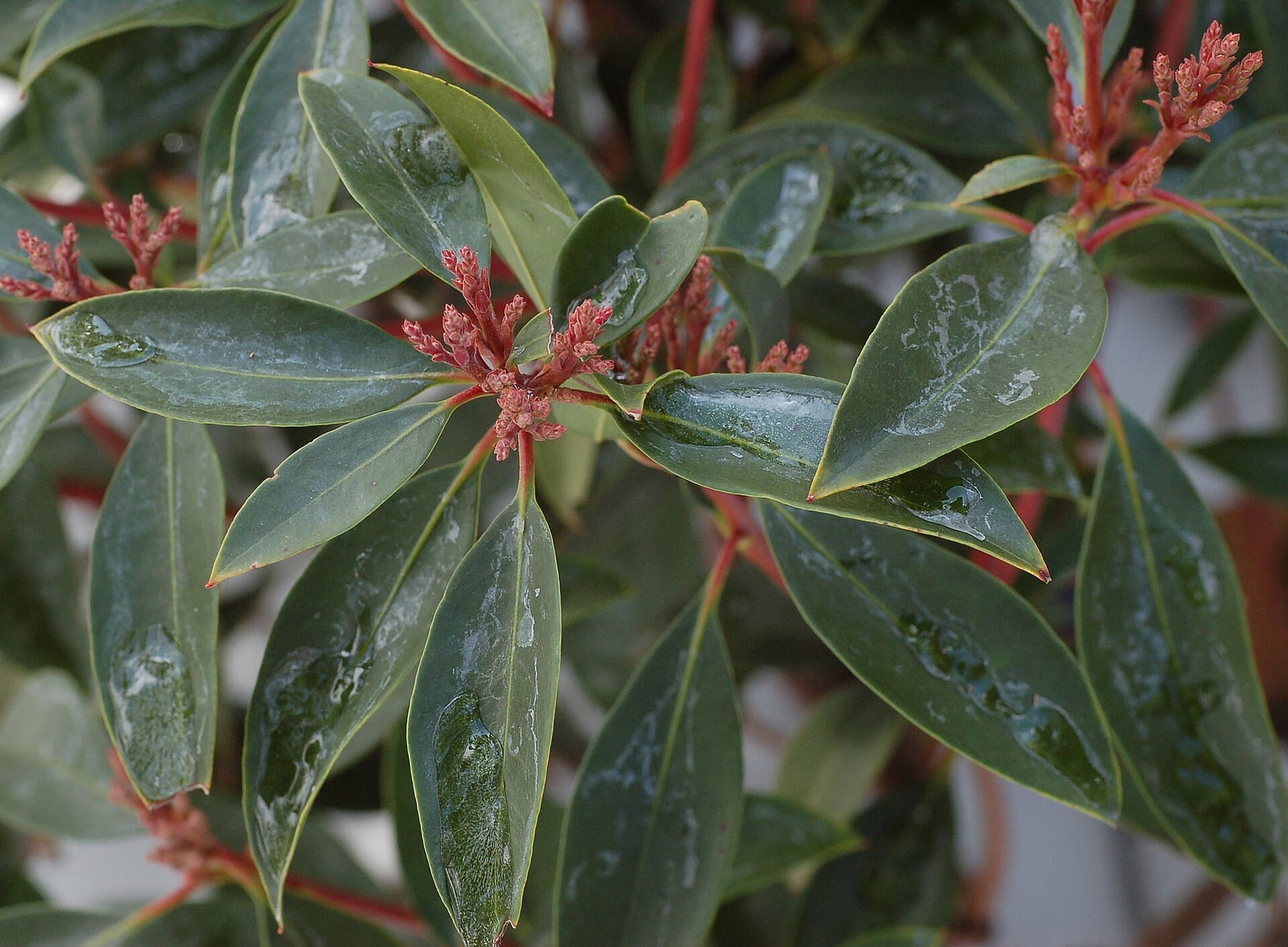
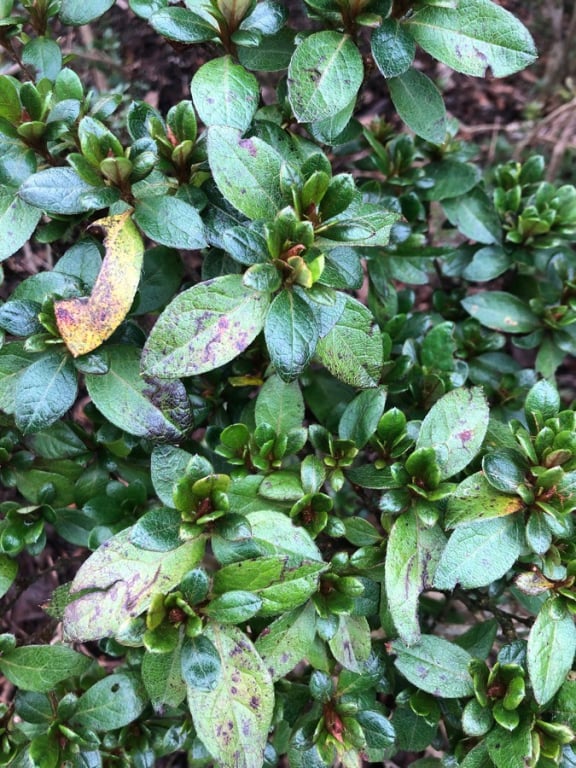
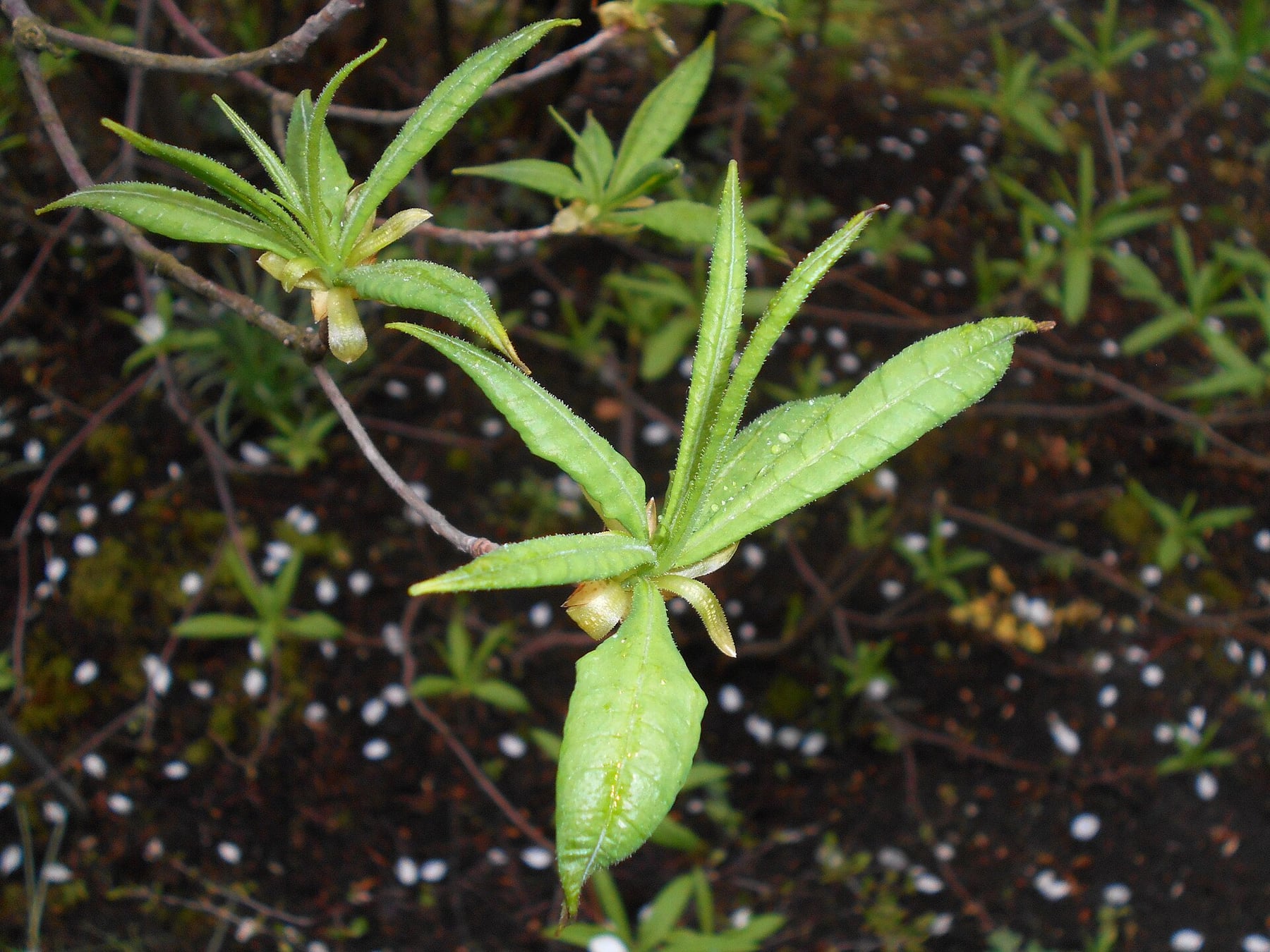
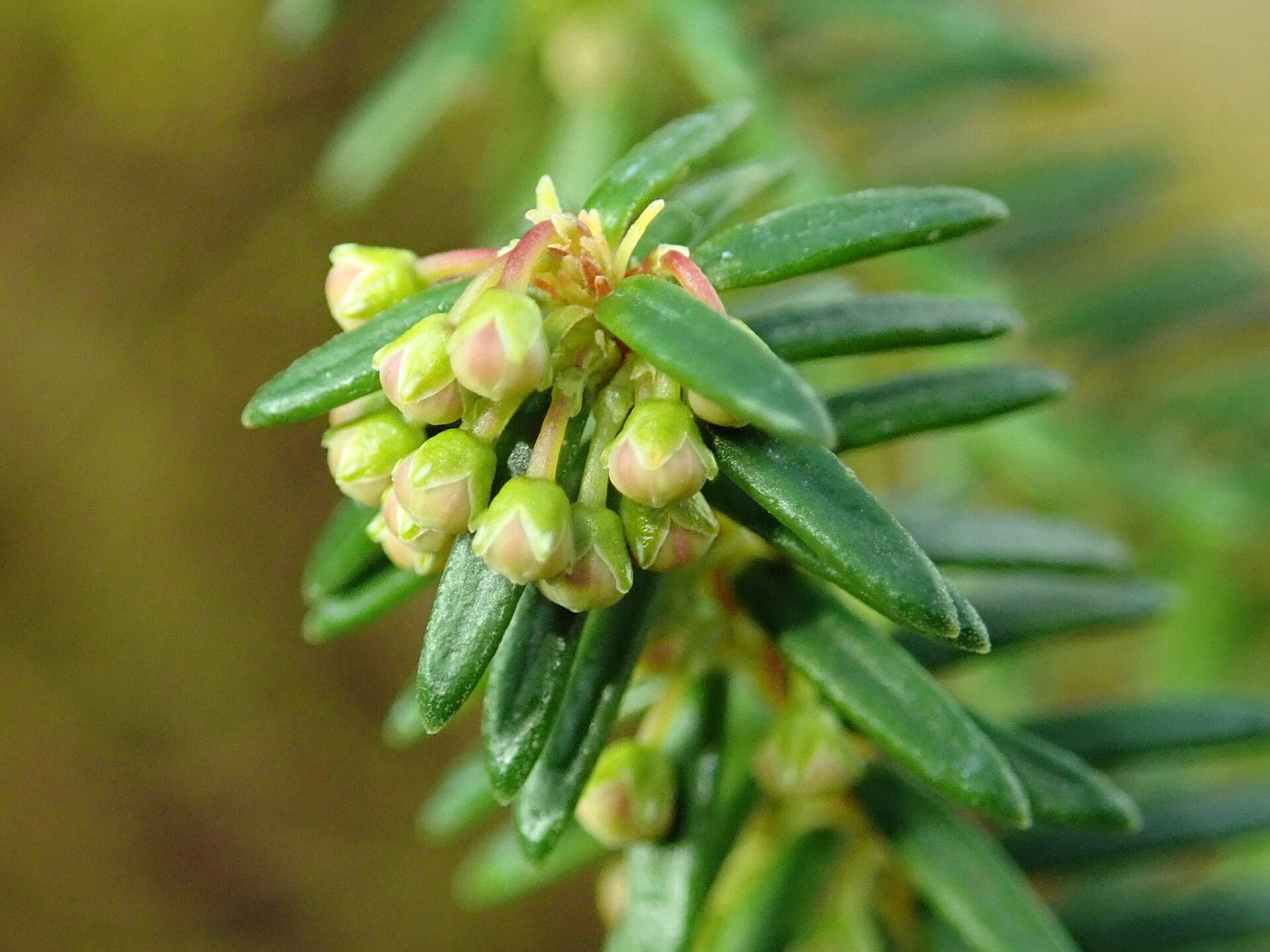
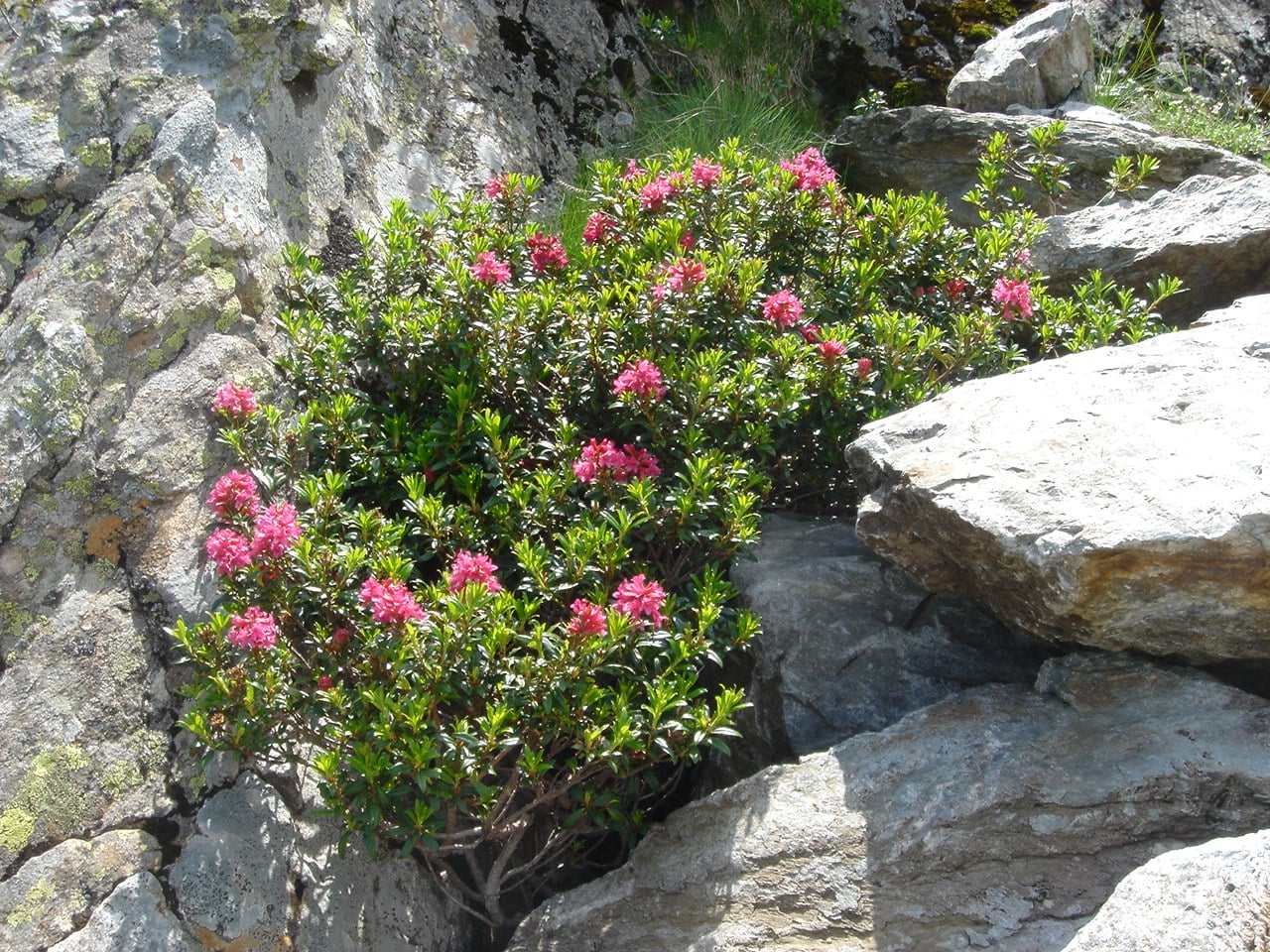
🍃 Leaves
Evergreen, leathery, elliptic, glossy dark green, resembling those of bay laurel
🌸 Flowers
In dense corymbs, pleated saucer-shaped, pink to white, with spring-loaded stamens that fling the pollen at the slightest touch
🍎 Fruits
Small dry brown capsules, barely visible
🪵 Bark
Grey-brown, twisted branches with age
Distribution, pollinators, uses
🗺️ Distribution
Native to eastern North America, introduced to Europe as an ornamental shrub for ericaceous gardens
🐝 Value for pollinators
Flowers with a spring-release stamen mechanism that catapults pollen onto visiting insects
✂️ Horticultural uses
Planted in ericaceous borders alongside rhododendrons and camellias for its unusual flowering
⚠️ Possible toxicity
All parts are toxic (grayanotoxins), including the nectar and the honey derived from it
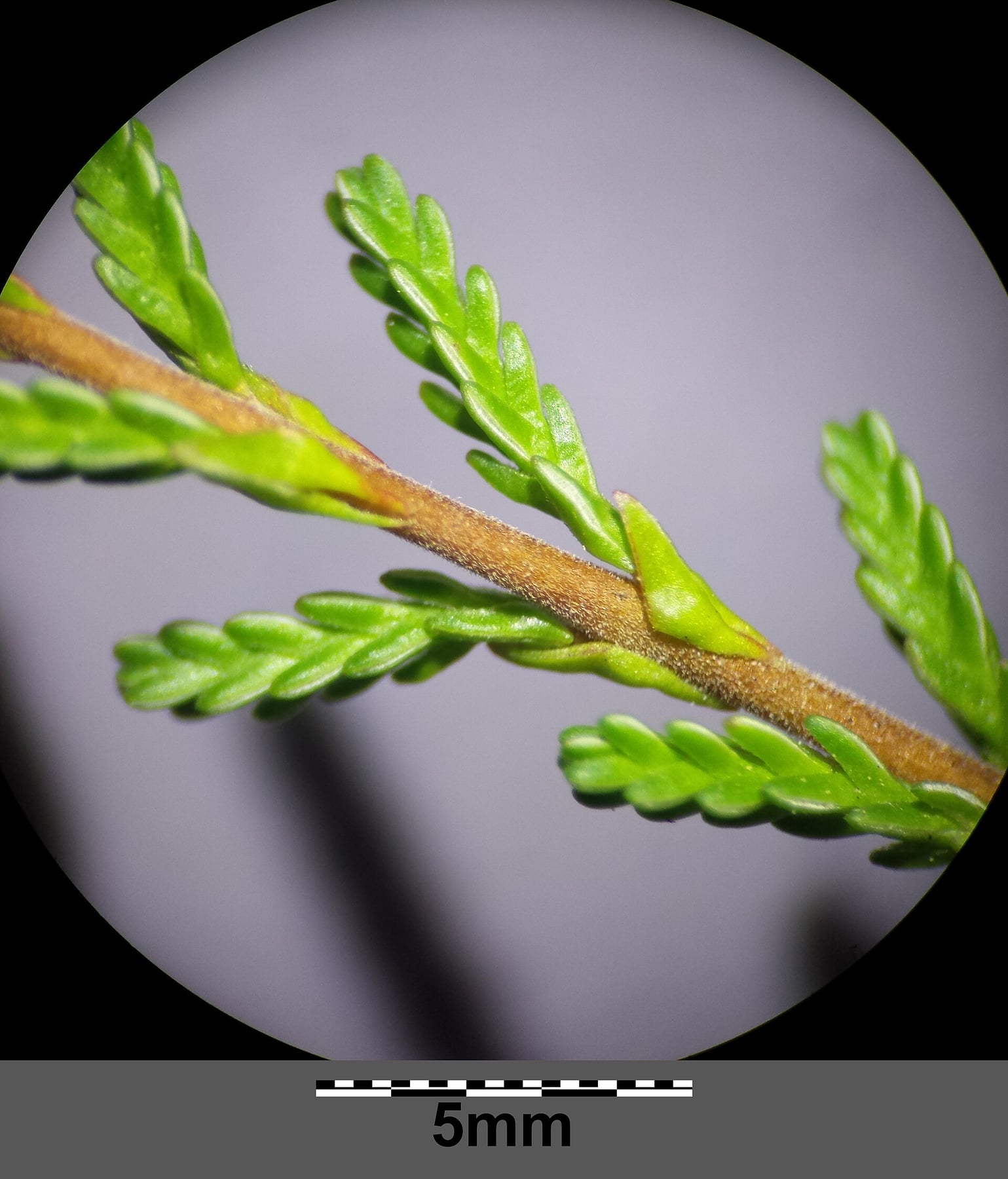
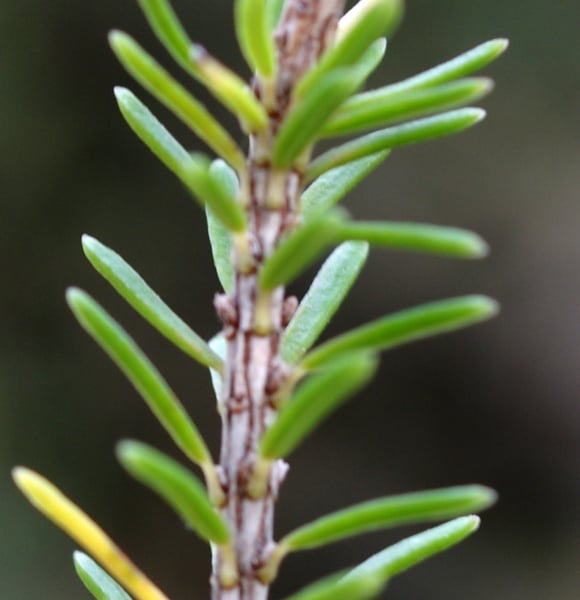
🌿 Other Ericaceae to discover
ℹ️ Educational profile — do not use it to judge whether a plant is edible or safe.
🌱 This database is constantly evolving — species and information are added and corrected regularly. Spotted a mistake? Report it below.
© Floraneo — profile content is protected; reproduction without permission is prohibited. Photos remain under their own licence (see the credit shown on each photo).