Leaf
Mathieu MENAND, Tela Botanica · CC BY-SA 2.0
Medlar
Mespilus germanica L.
Also known as: Common medlar
Family: Rosaceae
3 to 6 m tall
Hedgerows, woodland edges, old orchards
Flowering: May – June
Part shade
Full sun
-24°C
❓ How do you recognise this plant?
The fruit keeps a curious crown of sepals at its top — unmistakable.
🍃 Leaves
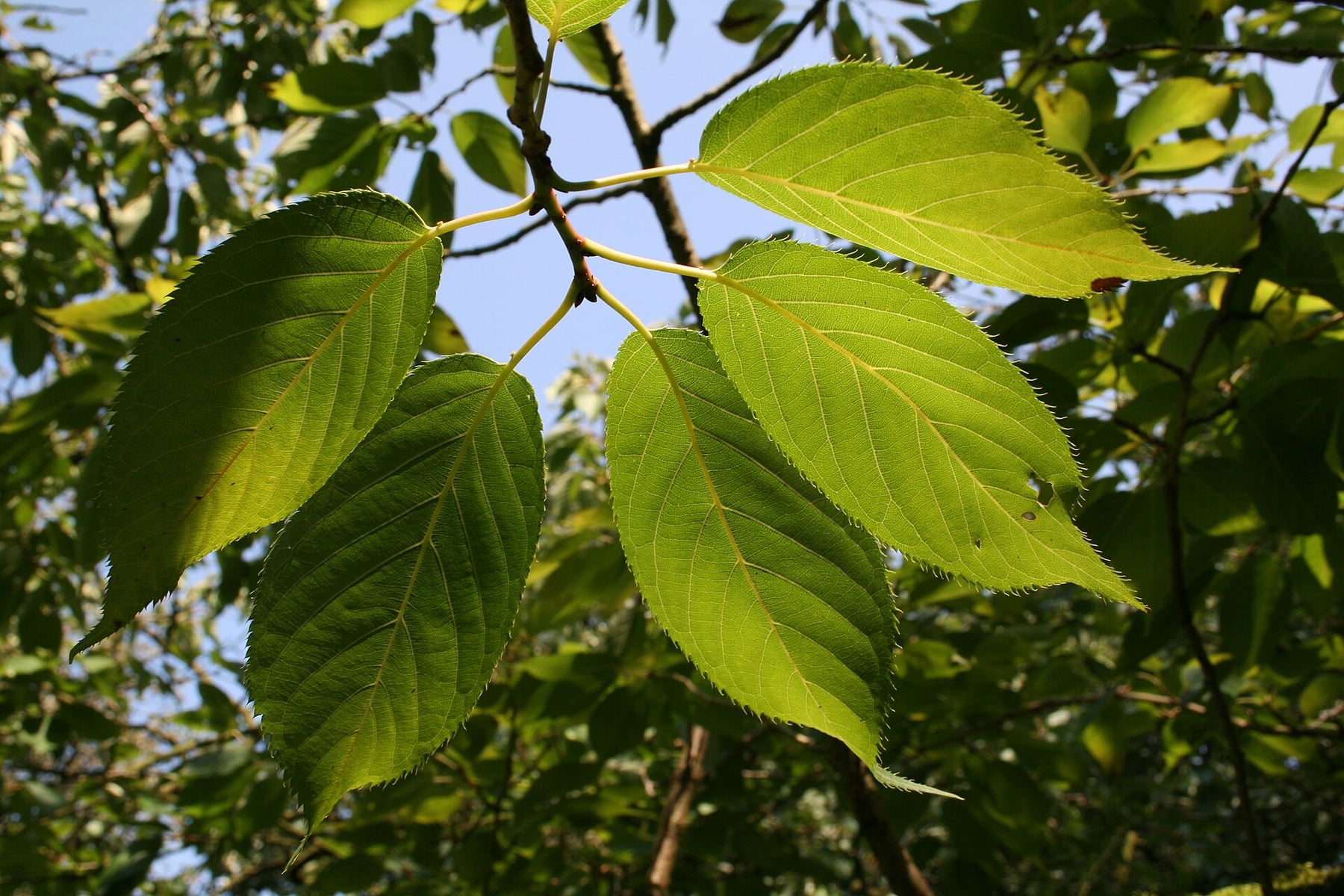
Large, lanceolate, slightly downy beneath
🌸 Flowers
Large solitary white flowers
🍎 Fruits
Brown medlars, crowned by the 5 persistent sepals, eaten when bletted
🪵 Bark
Brown-grey, fissured
🗺️ Distribution
South-eastern Europe, western Asia; cultivated and sometimes self-sown in France
🐝 Value for pollinators
Large solitary white flowers rich in nectar in spring, visited by bees
✂️ Horticultural uses
Planted as a specimen tree or in a heritage orchard for its fruit (medlars) eaten bletted
⚠️ Possible toxicity
No known toxicity; pips not to be eaten in large quantity, as with other members of the rose family
🌿 Other Rosaceae to discover
ℹ️ Educational profile — do not use it to judge whether a plant is edible or safe.
🌱 This database is constantly evolving — species and information are added and corrected regularly. Spotted a mistake? Report it below.
© Floraneo — profile content is protected; reproduction without permission is prohibited. Photos remain under their own licence (see the credit shown on each photo).