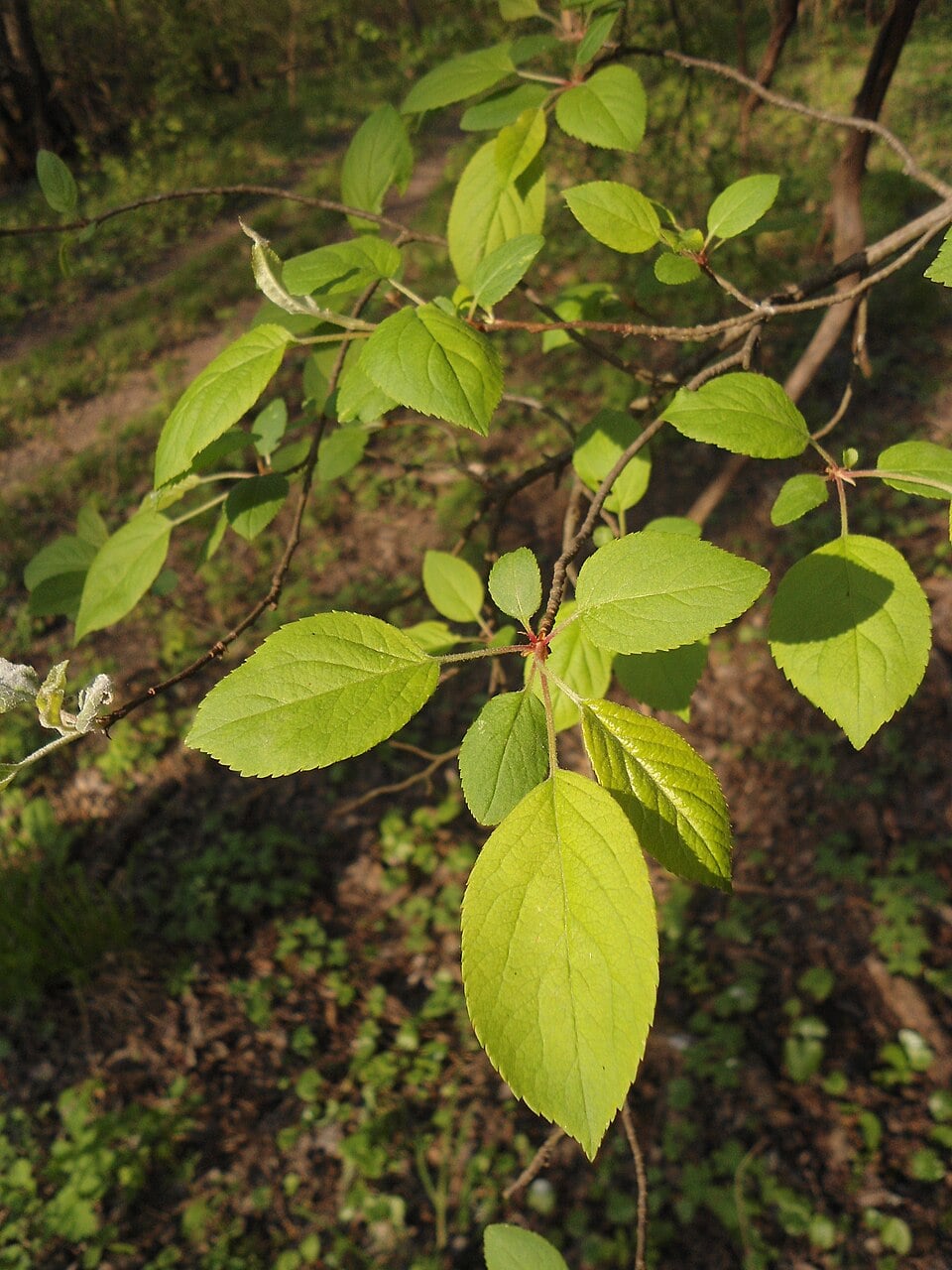
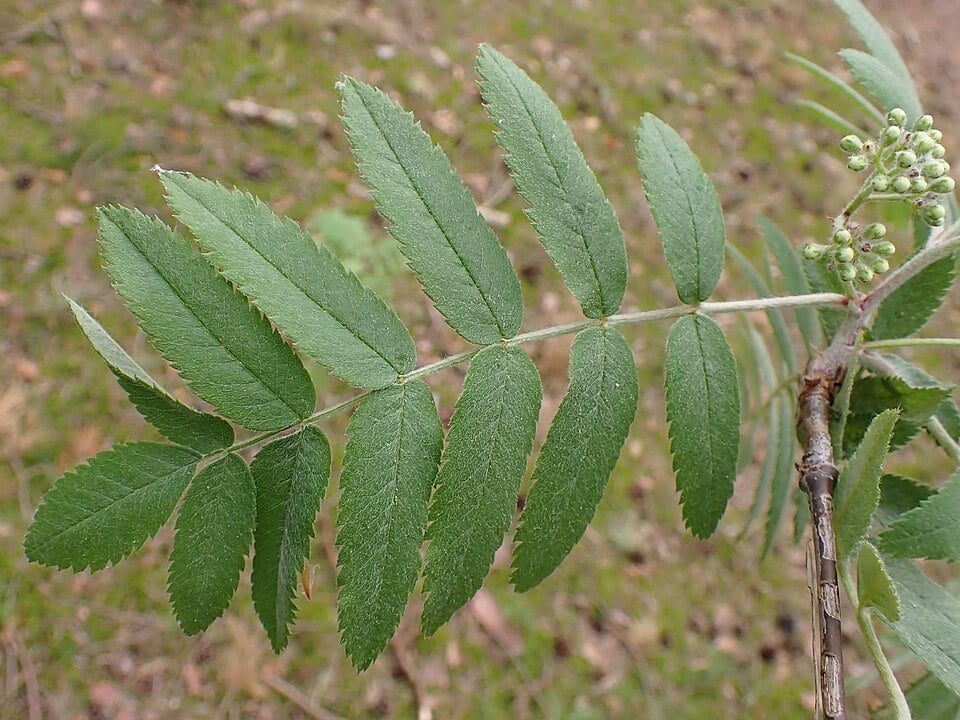
Leaf
Jon Mortin, Wikimedia · CC BY 4.0

Meadowsweet

Filipendula ulmaria (L.) Maxim.
Also known as: Queen of the meadow
Family: Rosaceae
60 cm to 1.2 m tall
Wet meadows, riverbanks
Flowering: June – August
Full sun
Part shade
Very hardy, to -25°C

❓ How do you recognise this plant?

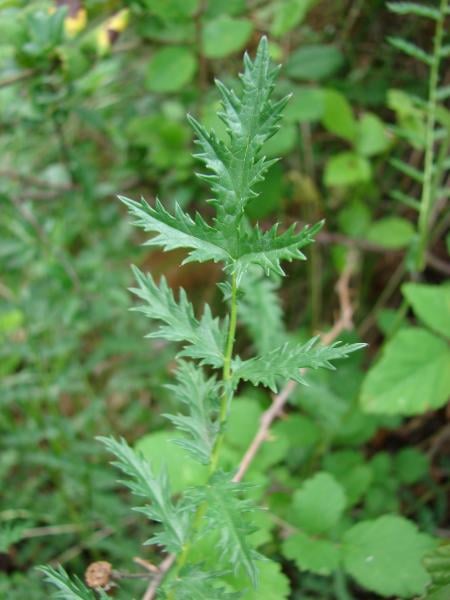
Very recognisable sweet scent, at the origin of the name aspirin (spiraeic acid). Meadowsweet grows in damp places, with large compound leaves and a characteristic sweet scent, whereas dropwort grows in dry meadows, with finer foliage and roots swollen into small tubers.
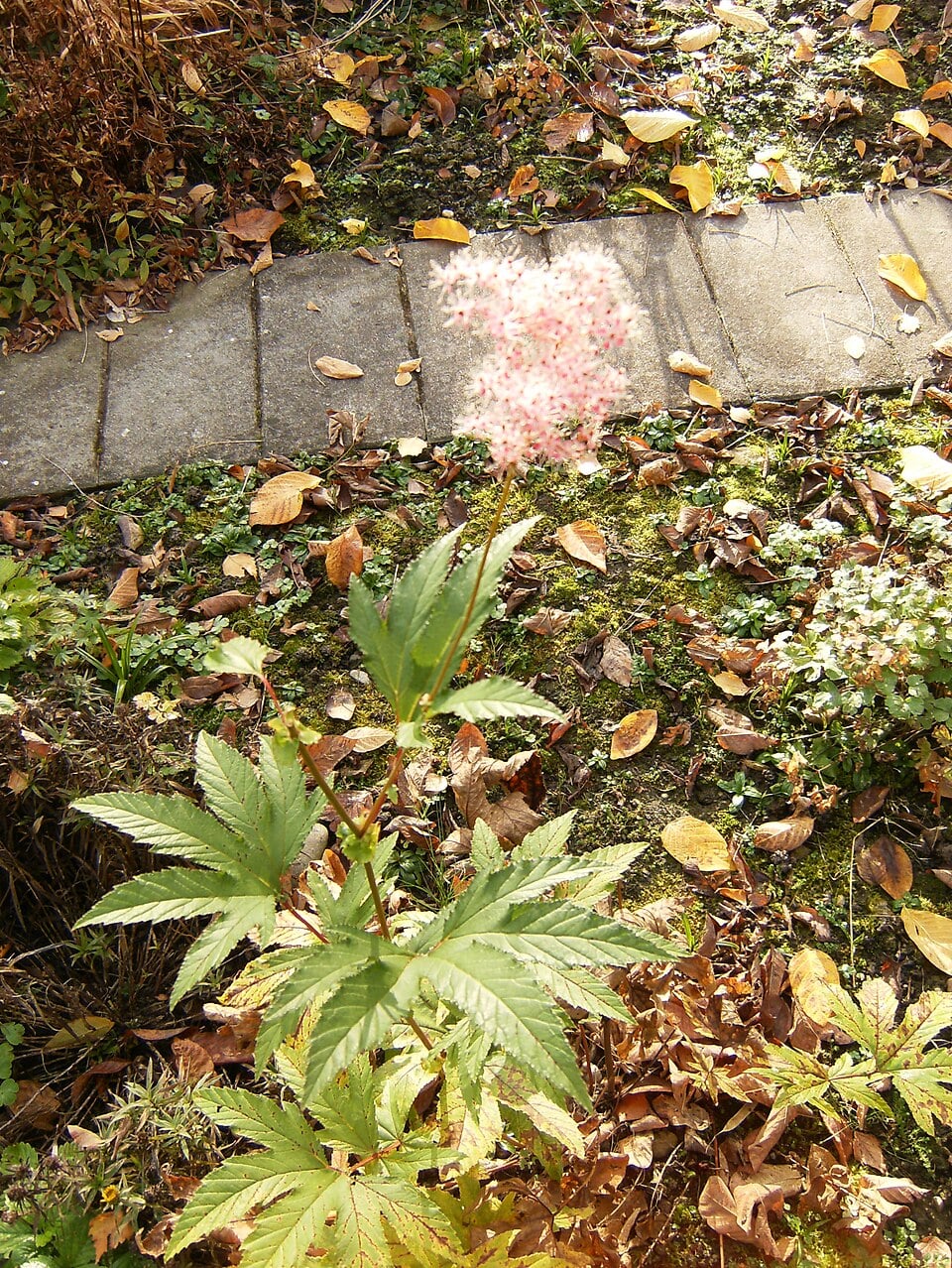
🍃 Leaves
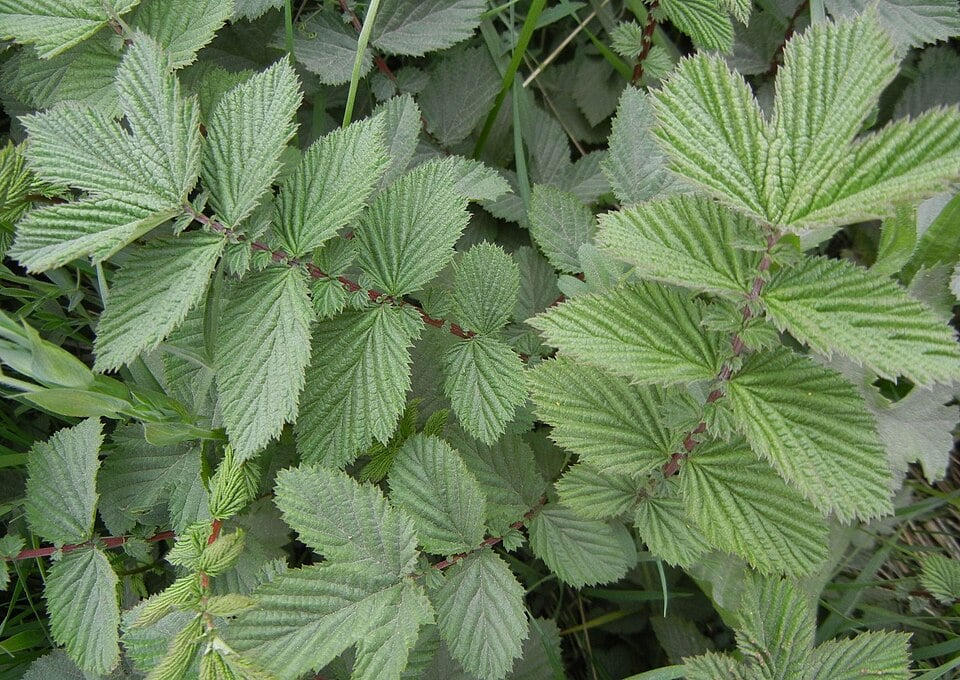
Compound, large toothed leaflets, whitish and downy underneath
🌸 Flowers
Tiny cream flowers in large, frothy, highly fragrant panicles
🍎 Fruits
Small spiralled achenes
🪵 Bark
Robust herbaceous stem, reddish at the base
🗺️ Distribution
Europe, temperate Asia; very common in wet meadows, banks and ditches in France.
🐝 Value for pollinators
Large panicles of small, highly fragrant cream-white flowers rich in nectar, attractive to many insects.
✂️ Horticultural uses
Damp borders, pond edges, naturalistic gardens; very fragrant foliage and flowers used in herbal tea.

⚠️ Possible toxicity

No known toxicity; plant at the origin of the discovery of salicylic acid (aspirin).

⚠️ Look-alike species

Meadowsweet
Meadowsweet
Filipendula ulmaria
Dropwort
Dropwort
Filipendula vulgaris

Meadowsweet grows in damp places, with large compound leaves and a characteristic sweet scent, whereas dropwort grows in dry meadows, with finer foliage and roots swollen into small tubers.

Meadowsweet
Meadowsweet
Filipendula ulmaria
Queen of the prairie
Filipendula rubra

Meadowsweet has highly fragrant cream-white flowers and leaflets whitish and downy underneath, and grows wild in France, whereas the queen of the prairie, even taller (up to 2.5 m) and found only in cultivation in gardens, has distinctly pink flowers and compound leaves without white down underneath.

ℹ️ Educational profile — do not use it to judge whether a plant is edible or safe.

🌱 This database is constantly evolving — species and information are added and corrected regularly. Spotted a mistake? Report it below.

© Floraneo — profile content is protected; reproduction without permission is prohibited. Photos remain under their own licence (see the credit shown on each photo).