Leaf
Salicyna, Wikimedia · CC BY-SA 4.0
Mandarin orange
Citrus reticulata Blanco
Also known as: Tangerine
Family: Rutaceae
2 to 4 m tall
Planted in orchards and gardens, mild Mediterranean climate
Flowering: March – May
Full sun
Not very hardy, dislikes frost below -5°C, grown in pots outside the mildest regions
❓ How do you recognise this plant?
The mandarin's thin, easily removed skin, unlike that of the orange which clings tightly to the pulp, is the characteristic that made this fruit successful as an easy-peel citrus. Very similar foliage and outline. The mandarin is distinguished by smaller, flattened fruits with skin that comes away easily, unlike the orange.
🍃 Leaves
Evergreen, ovate-lanceolate, glossy, aromatic when crushed
🌸 Flowers
White, highly scented, solitary or in groups of 2-3
🍎 Fruits
Small orange citrus fruit, flattened at the poles, with thin, easily removed skin, sweet pulp divided into segments
🪵 Bark
Greyish, branches sometimes slightly thorny
🗺️ Distribution
Native to Asia; grown around the French Mediterranean coast, notably in Corsica and on the Côte d'Azur
🐝 Value for pollinators
Highly scented, nectar-rich flowering, appreciated by bees in spring
✂️ Horticultural uses
Ornamental fruit tree for mild climates, also grown in a pot and brought indoors in winter in cooler climates
⚠️ Possible toxicity
Fruit edible, no known toxicity to humans; leaves and peel contain essential oils and psoralens that are toxic to cats and dogs (vomiting, diarrhoea, depression, photosensitisation).
⚠️ Look-alike species
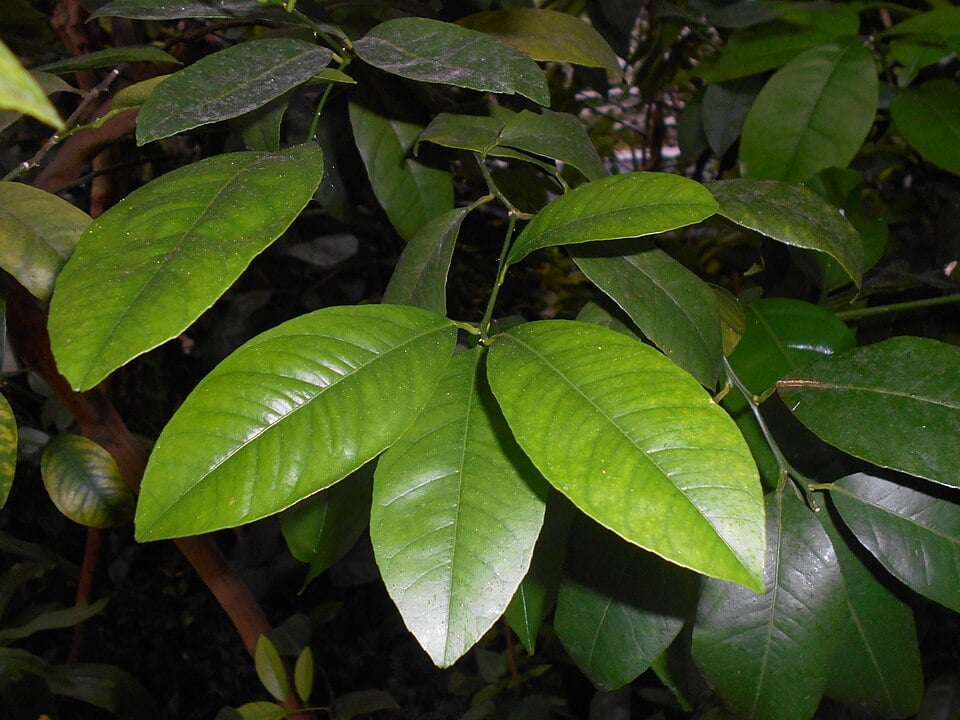
Mandarin orange
Citrus reticulata
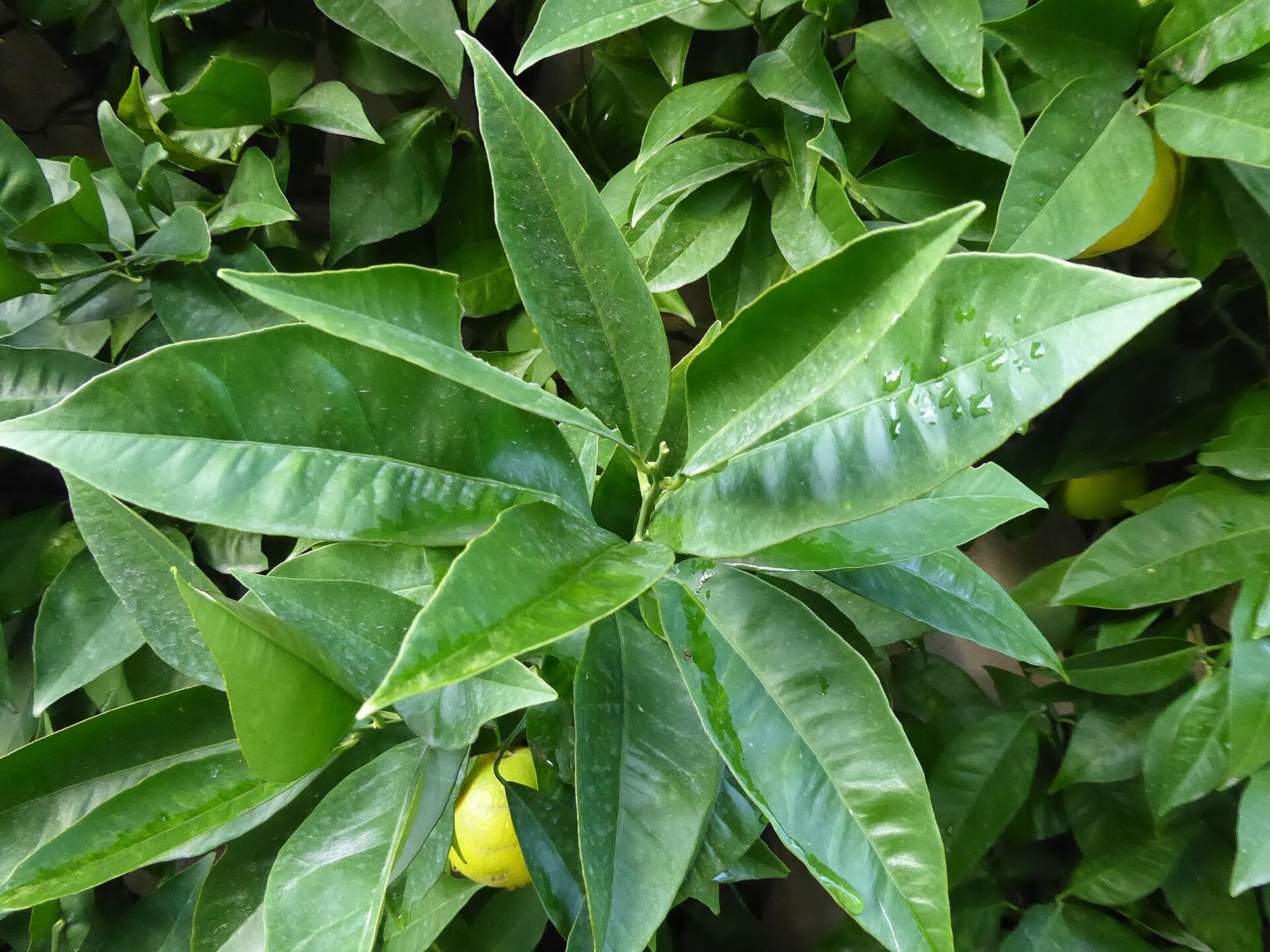
Sweet orange
Citrus sinensis
Very similar foliage and outline. The mandarin is distinguished by smaller, flattened fruits with skin that comes away easily, unlike the orange.
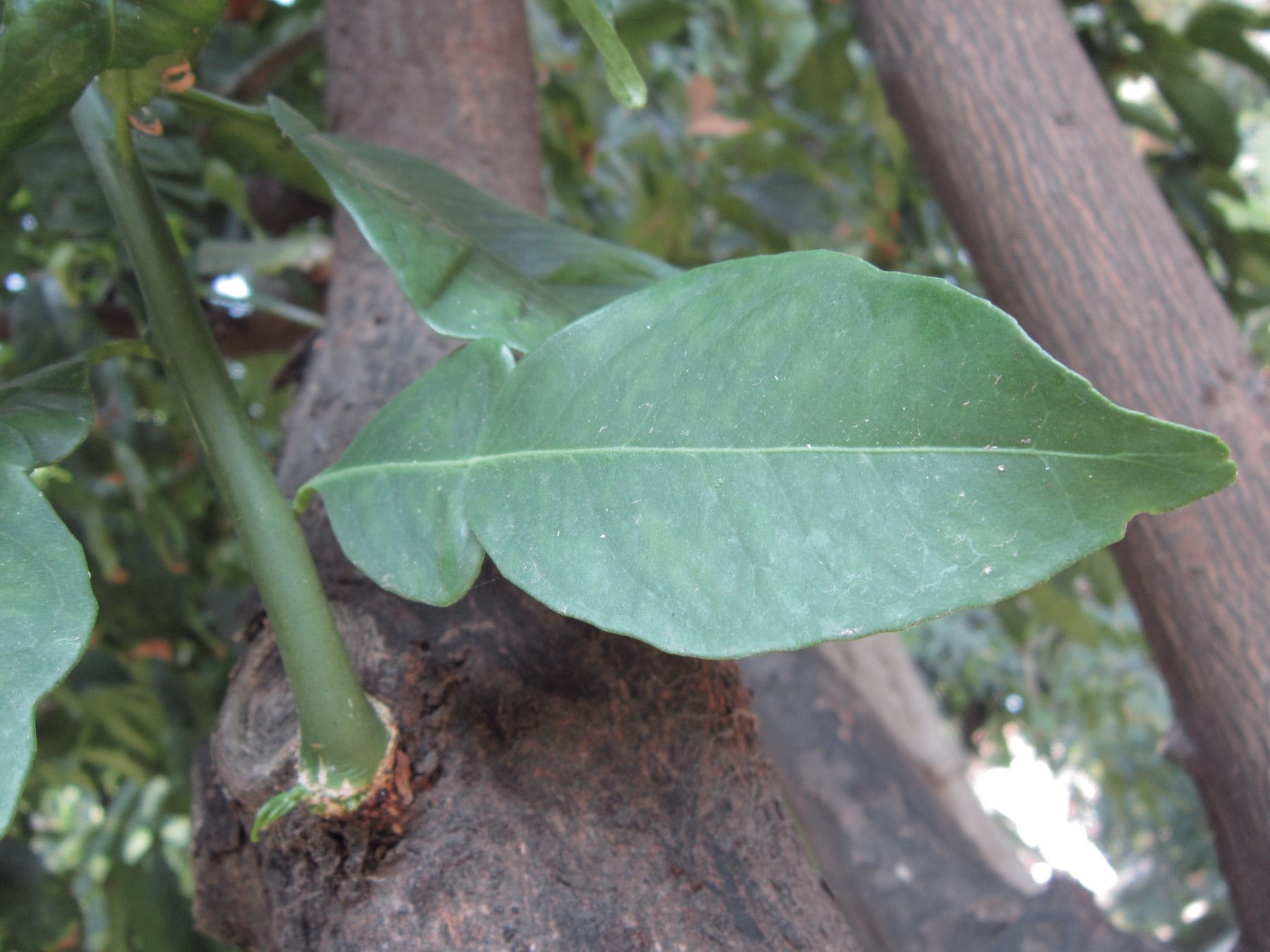
🌿 Other Rutaceae to discover



ℹ️ Educational profile — do not use it to judge whether a plant is edible or safe.
🌱 This database is constantly evolving — species and information are added and corrected regularly. Spotted a mistake? Report it below.
© Floraneo — profile content is protected; reproduction without permission is prohibited. Photos remain under their own licence (see the credit shown on each photo).