Leaf
Pierre Bonnet, Tela Botanica · CC BY-SA 2.0
Loquat
Eriobotrya japonica (Thunb.) Lindl.
Scientific synonyms: Rhaphiolepis bibas
Also known as: Japanese medlar
Family: Rosaceae
- 5 to 10 m tall
- Planted in gardens and orchards, mild climate
- Full sun
- Fairly hardy, to about -12°C, sensitive to late frosts on developing fruit
In flower from October to December
3 monthsWinter flowering
❓ How do you recognise this plant?
Loquat flowers in the depths of winter, when very few other plants are in bloom — a valuable resource for bees at a time when nectar is scarce.
Learn to recognise it
Exotic and rare fruit. This plant is in the lesson “Exotic and rare fruit”, with 10 others.
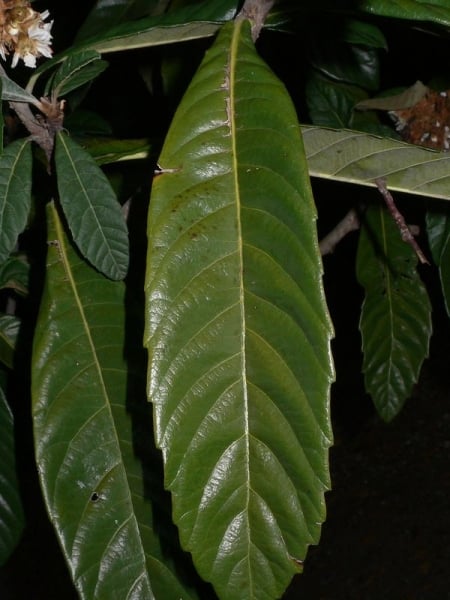


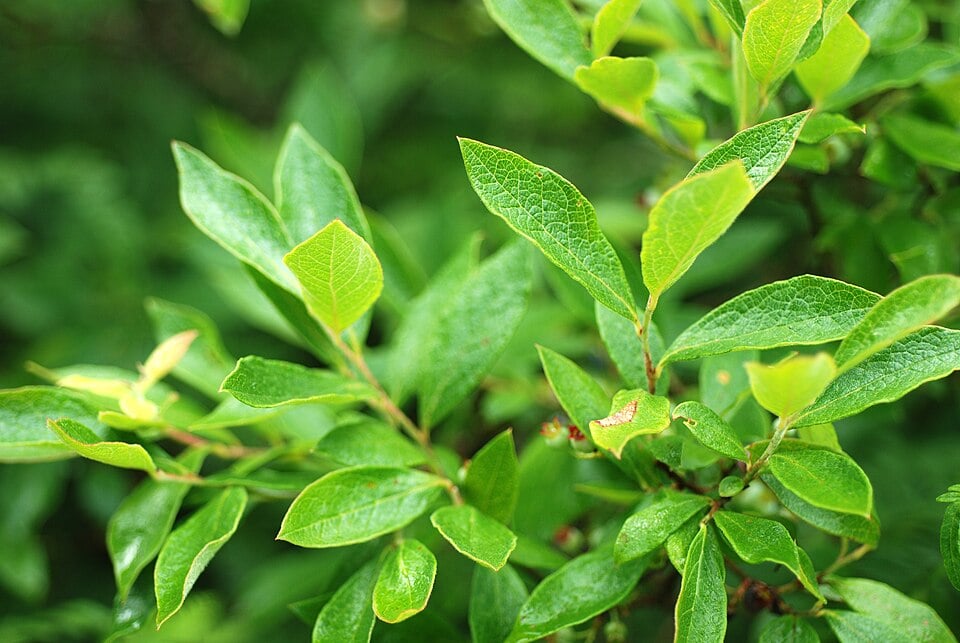
🍃 Leaves
Evergreen, large, leathery, puckered, felted beneath
🌸 Flowers
White, fragrant, grouped in dense panicles, appearing in autumn-winter
🍎 Fruits
Small ovate orange drupe (loquat), sweet-tart, ripening in spring
🪵 Bark
Greyish, smooth
Distribution, pollinators, uses
🗺️ Distribution
Native to China; grown in the south of France and along the Mediterranean coast
🐝 Value for pollinators
Rare winter flowering, a valuable resource for bees in times of scarcity
✂️ Horticultural uses
Fruit and ornamental tree, appreciated for its evergreen foliage and fragrant winter flowering
⚠️ Possible toxicity
Edible fruit; the seeds contain amygdalin and should not be eaten
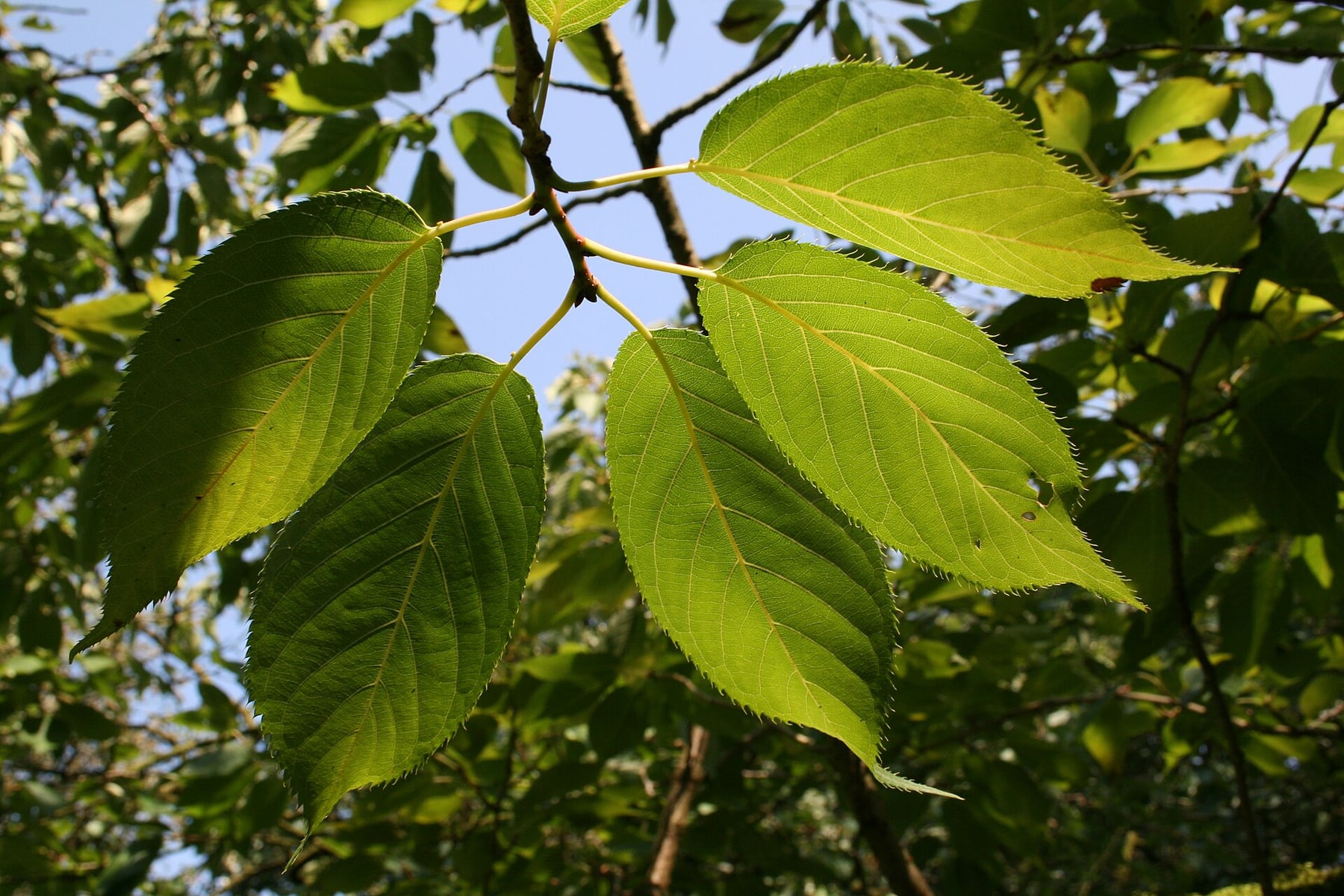
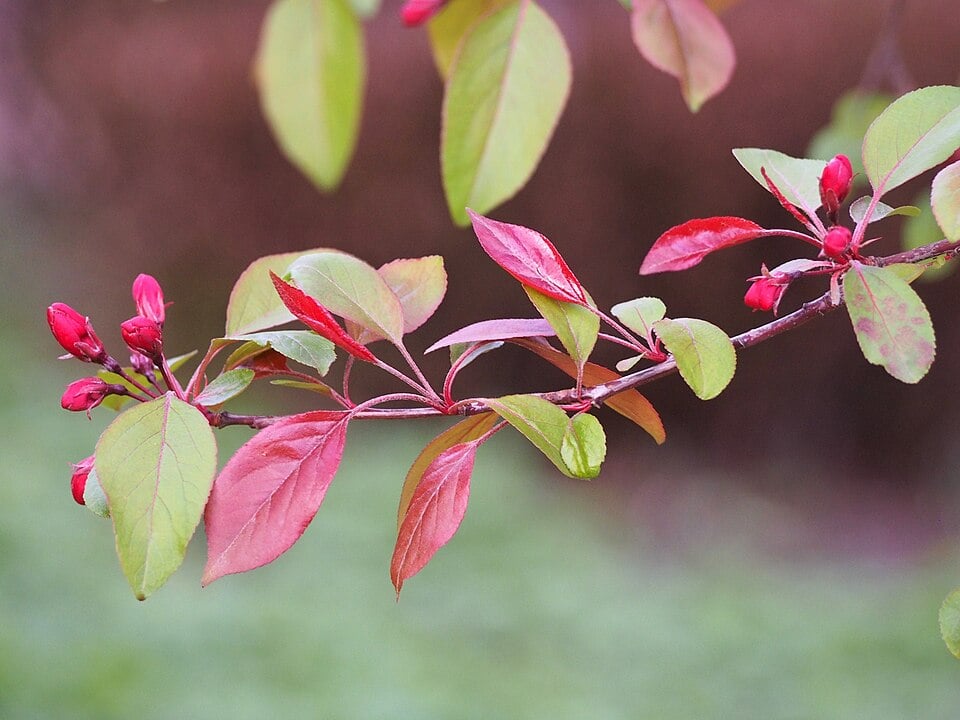
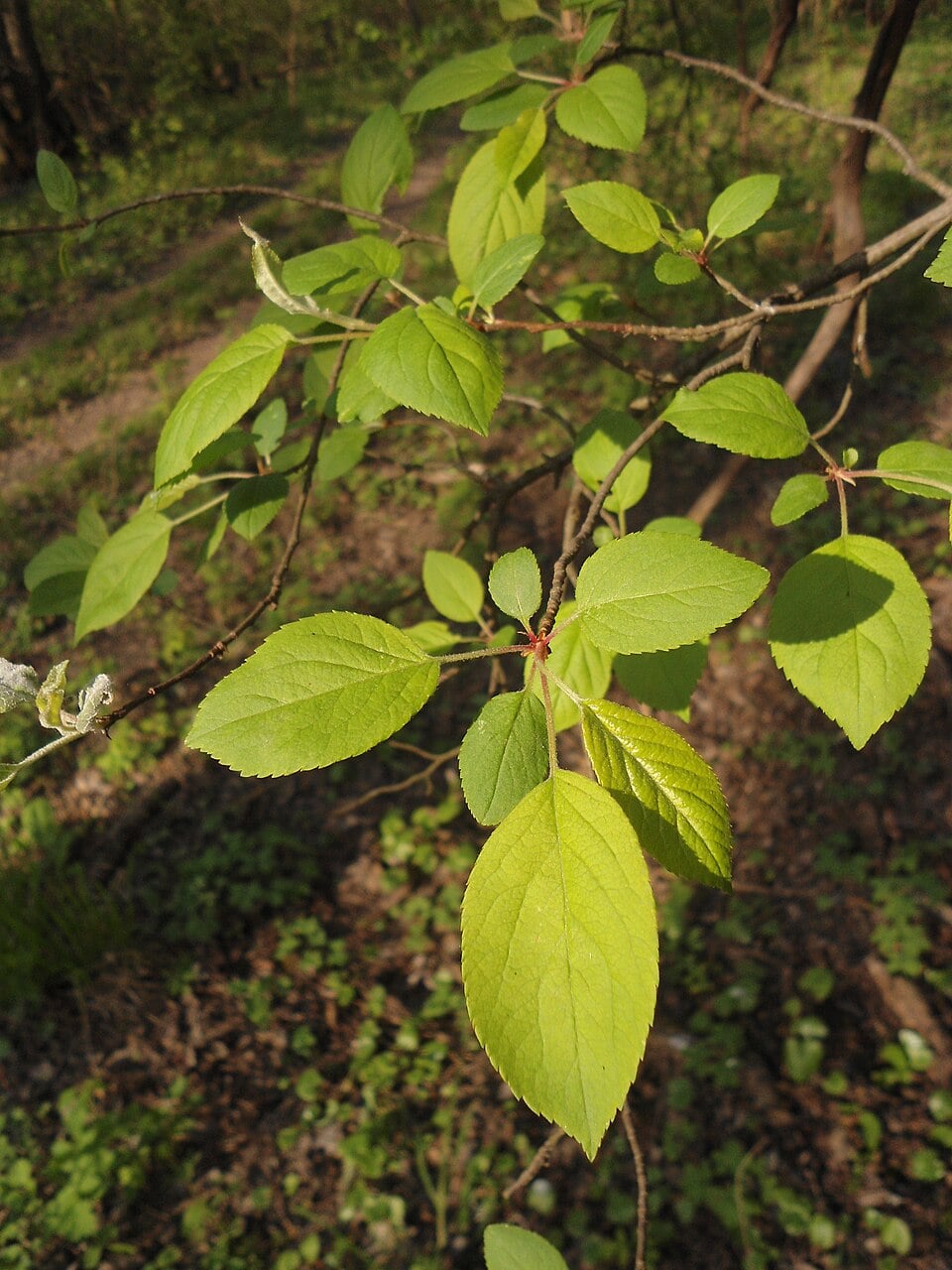
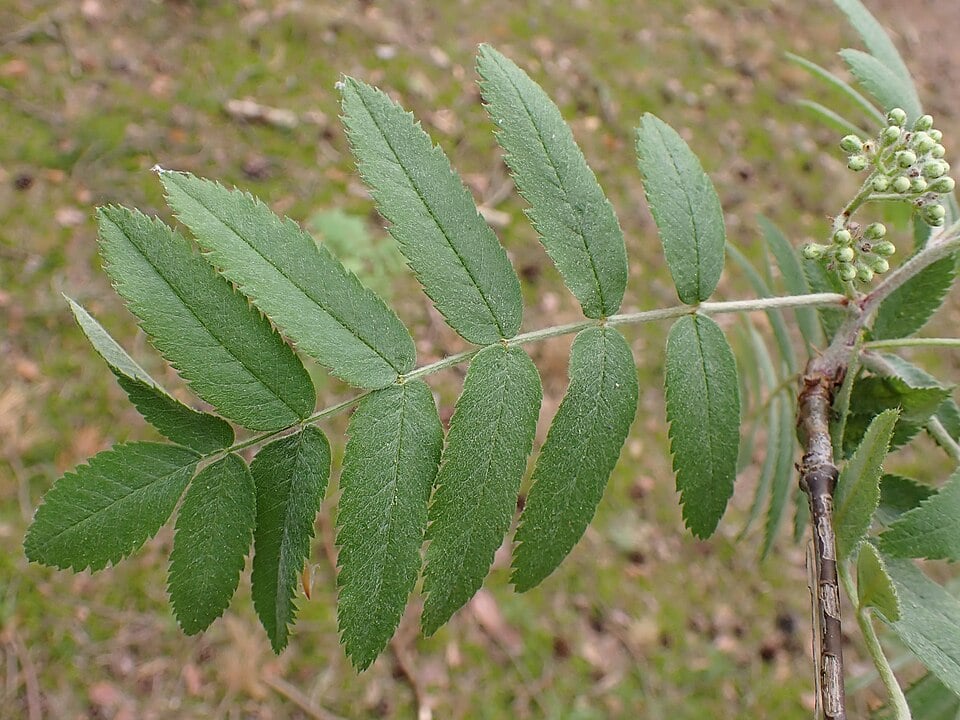
🌿 Other Rosaceae to discover
ℹ️ Educational profile — do not use it to judge whether a plant is edible or safe.
🌱 This database is constantly evolving — species and information are added and corrected regularly. Spotted a mistake? Report it below.
© Floraneo — profile content is protected; reproduction without permission is prohibited. Photos remain under their own licence (see the credit shown on each photo).