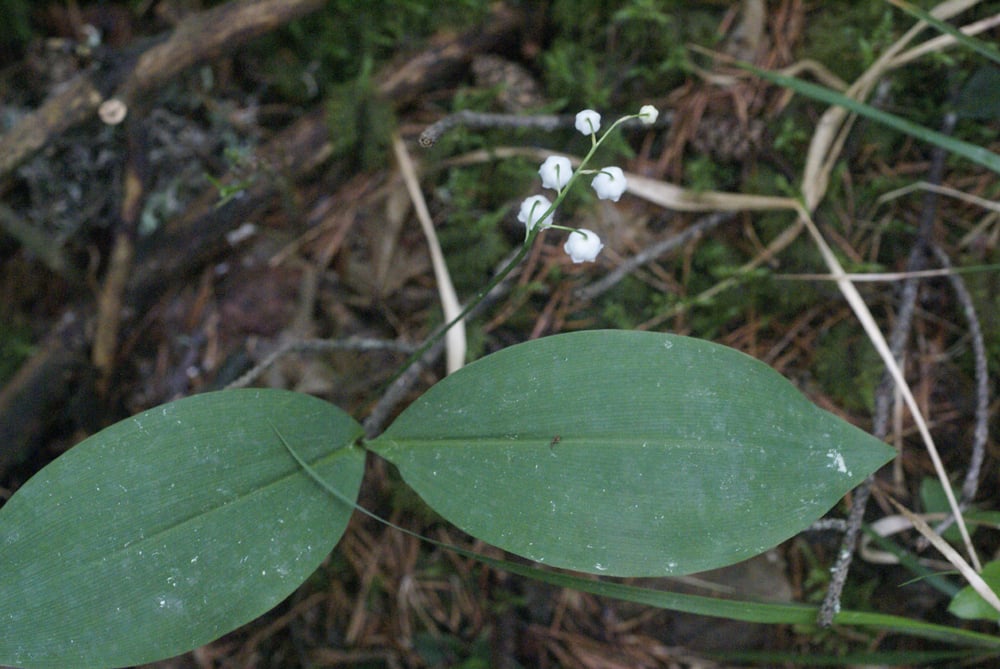
Leaf
Daderot, Wikimedia · Domaine public
Leichtlin's camassia
Camassia leichtlinii (Baker) S.Watson
Also known as: Large camas
Family: Asparagaceae
60 to 100 cm tall
Damp meadows in the wild; planted in borders and wildflower meadows in the garden
Flowering: May – June
Full sun
Part shade
Hardy to about -20°C
❓ How do you recognise this plant?
The bulbs of several camassia species were a major food source for many Indigenous peoples of North America, cooked for a long time to make them digestible.
🍃 Leaves
Basal, long and narrow, channelled, often withered before the end of flowering
🌸 Flowers
Star-shaped, blue-violet to cream depending on the cultivar, arranged in a long upright spike
🍎 Fruits
Three-chambered capsule containing black seeds
🪵 Bark
Not applicable — bulbous herbaceous plant
🗺️ Distribution
Native to western North America; introduced to Europe as an ornamental plant in the 19th century
🐝 Value for pollinators
Flowers rich in nectar, very attractive to bees in spring
✂️ Horticultural uses
Planted in wildflower meadows, borders or light woodland where it can naturalise long-term
🌿 Other Asparagaceae to discover



ℹ️ Educational profile — do not use it to judge whether a plant is edible or safe.
🌱 This database is constantly evolving — species and information are added and corrected regularly. Spotted a mistake? Report it below.
© Floraneo — profile content is protected; reproduction without permission is prohibited. Photos remain under their own licence (see the credit shown on each photo).