Leaf
Pierre Bonnet, Tela Botanica · CC BY-SA 2.0
- 0.3 to 0.8 m tall
- Woodland, shady hedges, gardens, all soils
- Shade, Part shade
- Hardy to -15°C
In flower from February to April
3 months❓ How do you recognise this plant?
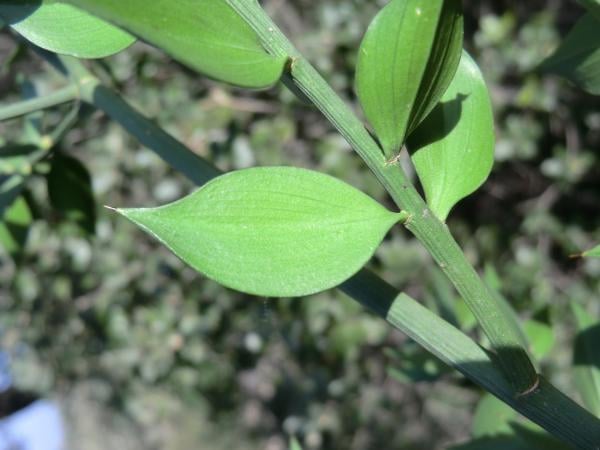
What look like spiny leaves are in fact flattened stems: the true leaves are reduced to tiny scales.
Learn to recognise it
Rare shrubs to recognise. This plant is in the lesson “Rare shrubs to recognise”, with 10 others.


🍃 Leaves
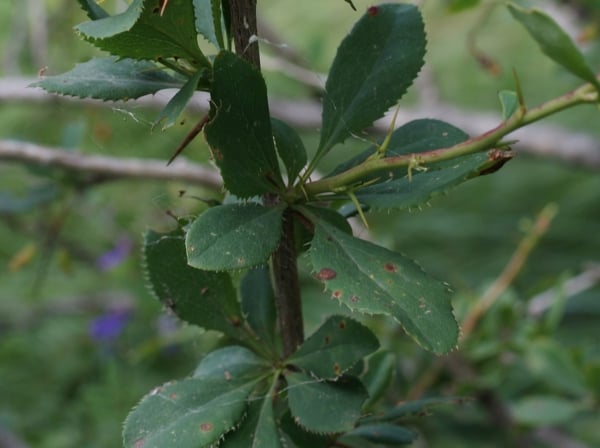
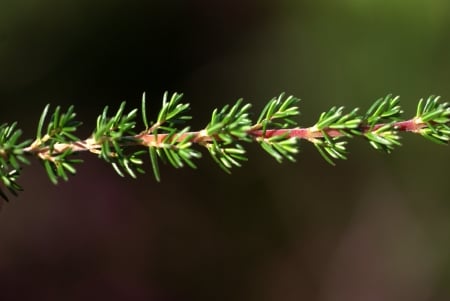
Actually flattened stems (cladodes) mimicking spiny leaves, evergreen, glossy dark green
🌸 Flowers
Tiny greenish flowers borne in the centre of the cladodes
🍎 Fruits
Large red berries about 1 cm across, borne in the centre of the cladodes, decorative in winter (on female plants).
🪵 Bark
Upright dark green stems, bushy habit
Distribution, pollinators, uses
🗺️ Distribution
Southern and western Europe, North Africa; found in dry woodland in the south and west of France.
🐝 Value for pollinators
Tiny flowers borne on the false leaves (cladodes), not very nectar-rich, pollinated mainly by small insects.
✂️ Horticultural uses
Planted in dry shade for its evergreen foliage and red winter berries.
⚠️ Possible toxicity
Berries slightly toxic if eaten, and may cause digestive upset.
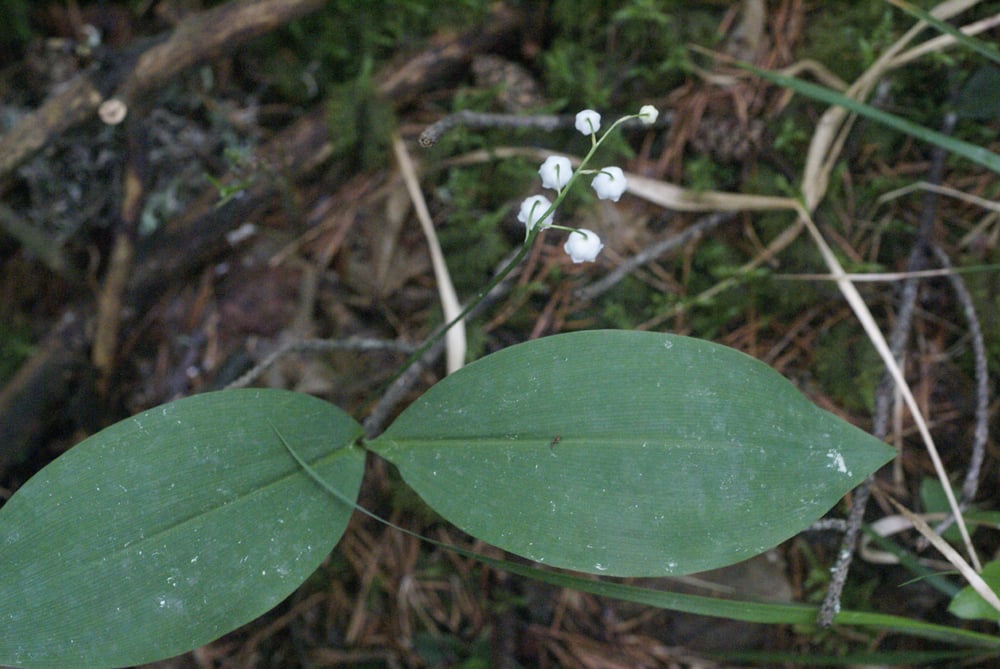
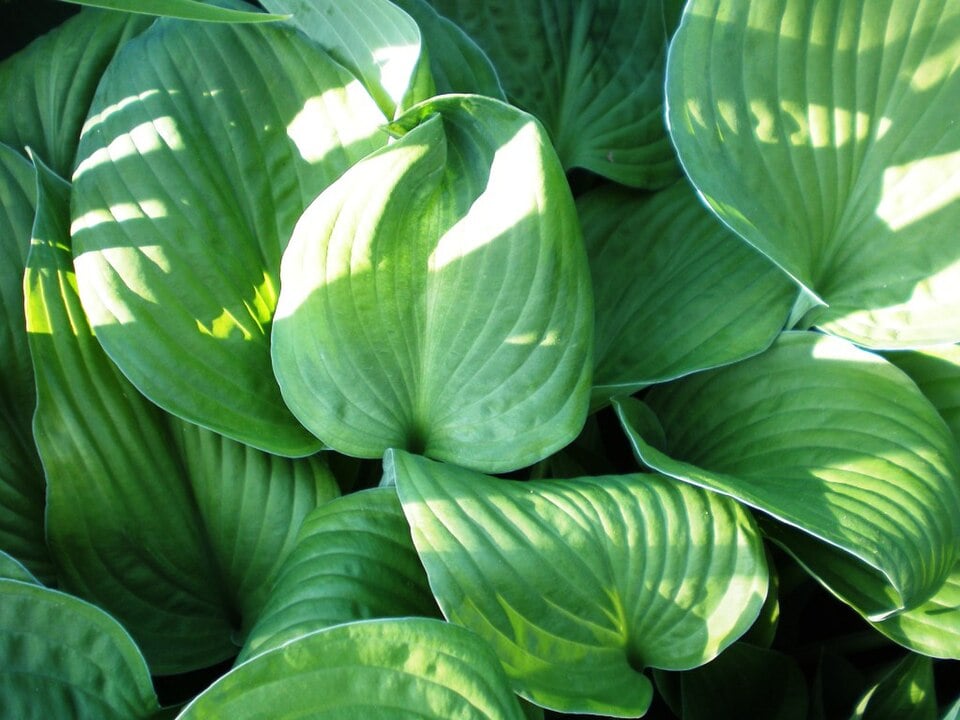
🌿 Other Asparagaceae to discover
ℹ️ Educational profile — do not use it to judge whether a plant is edible or safe.
🌱 This database is constantly evolving — species and information are added and corrected regularly. Spotted a mistake? Report it below.
© Floraneo — profile content is protected; reproduction without permission is prohibited. Photos remain under their own licence (see the credit shown on each photo).