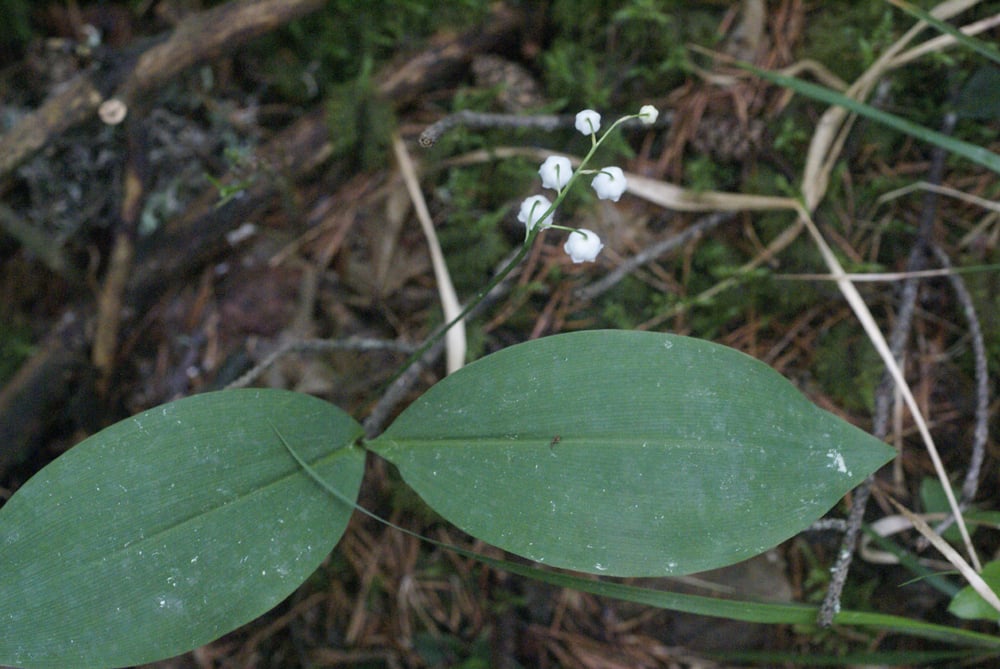
Leaf
Bertrand BUI, Tela Botanica · CC BY-SA 2.0
Asparagus
Asparagus officinalis L.
Also known as: Garden asparagus
Family: Asparagaceae
60 cm to 1.5 m tall once run up to stem
Grown in vegetable gardens; wild on sandy and coastal soils
Flowering: May – June
Full sun
Hardy perennial, withstands frost; the foliage dies back in winter
❓ How do you recognise this plant?
The vegetable we eat is only the young shoot (spear) — if left to grow, asparagus becomes a plant with feathery foliage 1.5 m tall, inedible.
🍃 Leaves
Leaves reduced to small scales; the very fine, thread-like cladodes give the foliage its feathery appearance.
🌸 Flowers
Small greenish to yellowish bells, inconspicuous and hanging
🍎 Fruits
Small red berry when ripe, toxic
🪵 Bark
Perennial herbaceous plant with upright stems; the visible green branchlets are cladodes.
🗺️ Distribution
Grown throughout France; occurs spontaneously on the Atlantic and Mediterranean coasts
🐝 Value for pollinators
Inconspicuous but nectar-rich flowers, visited by small insects
✂️ Horticultural uses
Kitchen-garden vegetable, harvested as a young shoot (spear) before the foliage develops
⚠️ Possible toxicity
Young shoots (spears) edible; the red berries of the mature plant are toxic if eaten
🌿 Other Asparagaceae to discover



ℹ️ Educational profile — do not use it to judge whether a plant is edible or safe.
🌱 This database is constantly evolving — species and information are added and corrected regularly. Spotted a mistake? Report it below.
© Floraneo — profile content is protected; reproduction without permission is prohibited. Photos remain under their own licence (see the credit shown on each photo).