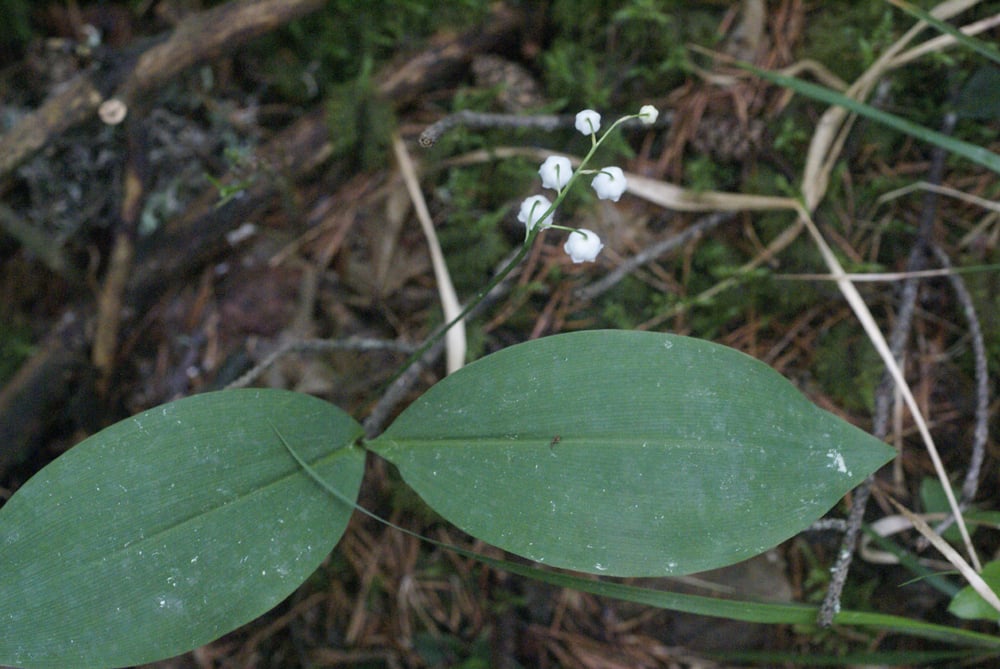
Leaf
Paul Fabre, Tela Botanica · CC BY-SA 2.0
Common grape hyacinth
Muscari neglectum Guss. ex Ten.
Also known as: Grape hyacinth, Starch grape hyacinth
Family: Asparagaceae
10 to 20 cm tall
Grassland, gardens, vineyards, well-drained soils
Flowering: March – May
Full sun
Part shade
Hardy to -25°C
❓ How do you recognise this plant?
Its compact raceme of small blue-black bells resembles a miniature bunch of grapes, hence its genus name.
🍃 Leaves
Narrow, cylindrical, bright green, in a basal tuft
🌸 Flowers
Small blue-black bells in a dense raceme, looking like grapes
🍎 Fruits
Small 3-celled capsules
🪵 Bark
Underground bulb, single flower stalk
🗺️ Distribution
Southern and central Europe; found in grassland and vineyards in France, mostly in the south.
🐝 Value for pollinators
Dark blue nectar-bearing spikes, visited by bees at the very start of spring.
✂️ Horticultural uses
Naturalising in lawns and rock gardens, spring borders; self-seeds readily into dense carpets.
⚠️ Possible toxicity
Bulb slightly toxic if eaten, like other members of the lily family.
🌿 Other Asparagaceae to discover



ℹ️ Educational profile — do not use it to judge whether a plant is edible or safe.
🌱 This database is constantly evolving — species and information are added and corrected regularly. Spotted a mistake? Report it below.
© Floraneo — profile content is protected; reproduction without permission is prohibited. Photos remain under their own licence (see the credit shown on each photo).