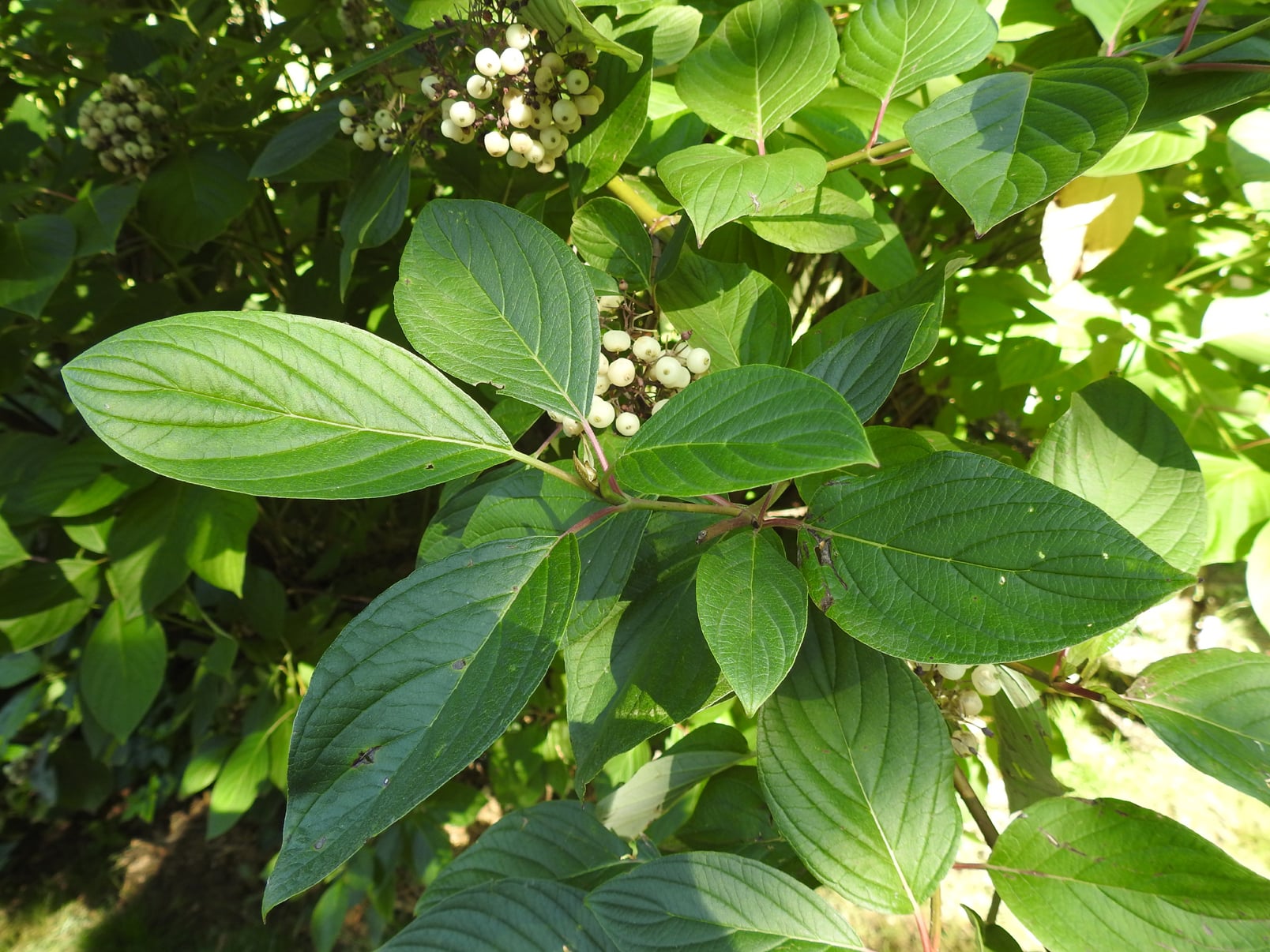
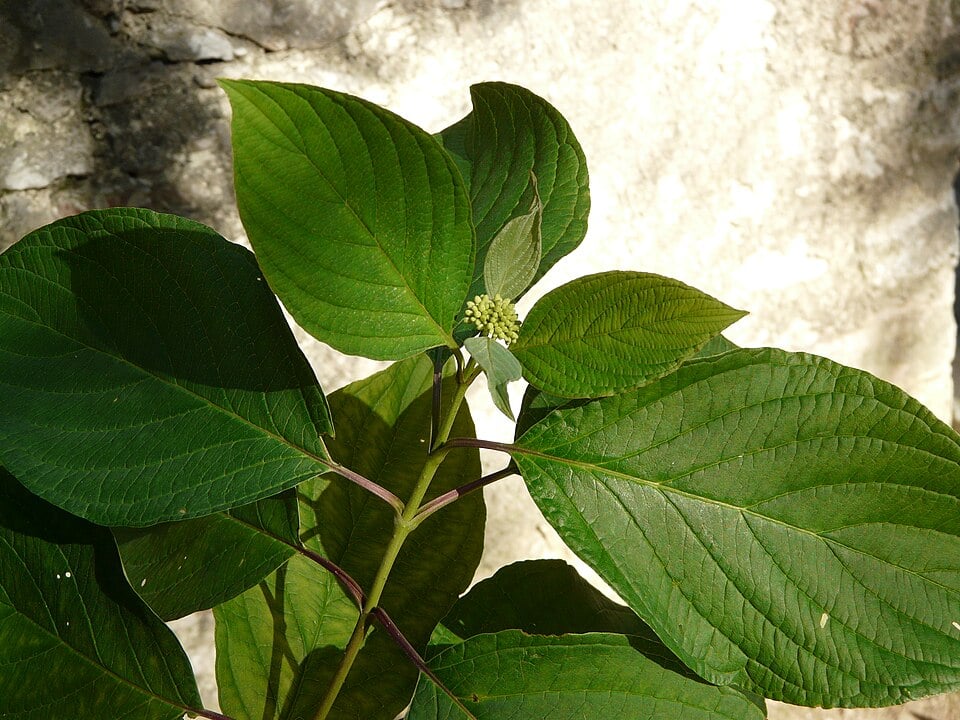
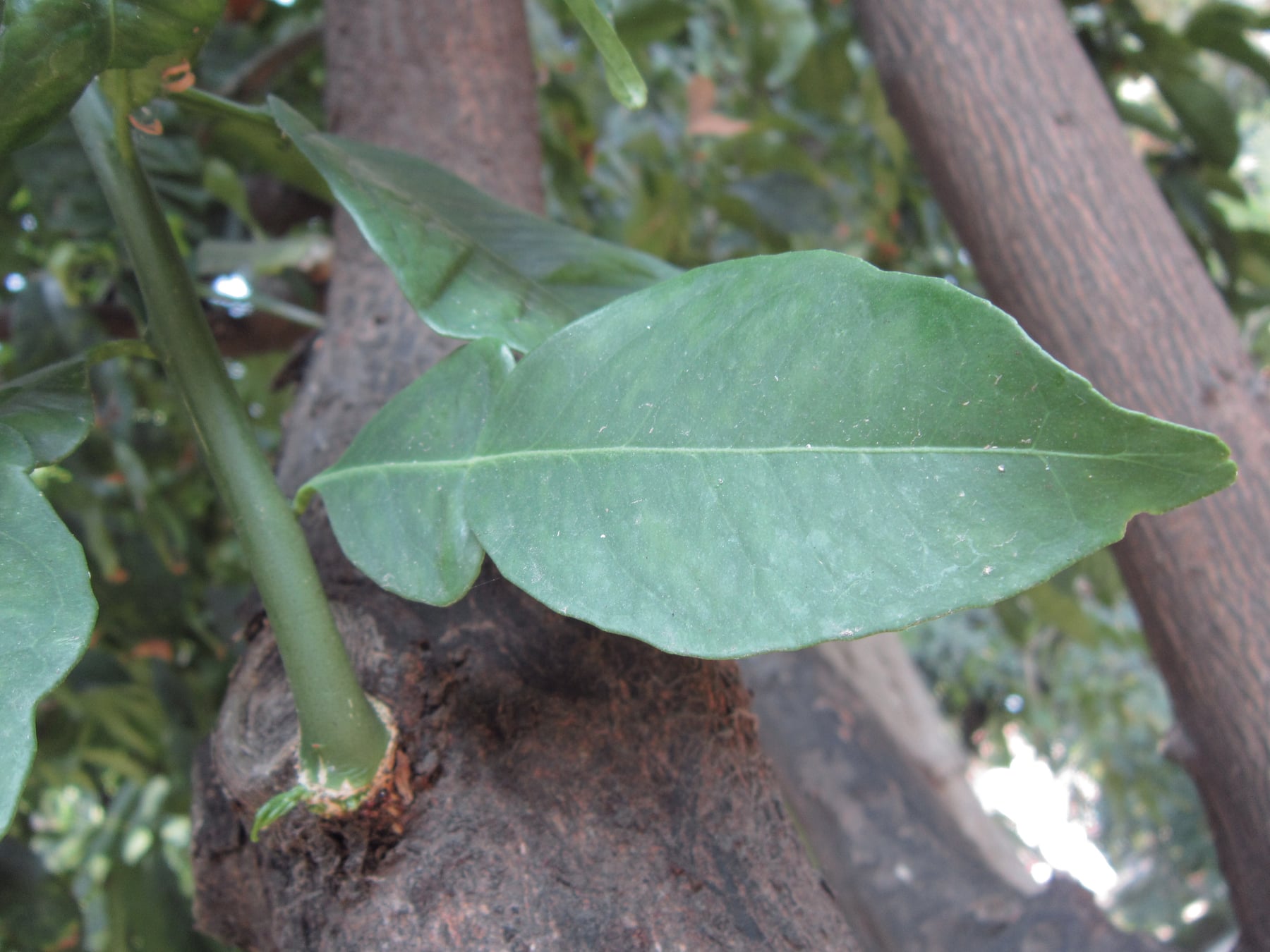
Leaf
James St. John, Wikimedia · CC BY 2.0

Kousa dogwood

Cornus kousa F.Bürger ex Hance
Also known as: Japanese dogwood, Chinese dogwood
Family: Cornaceae
Telling dogwoods apart ›
  • 4 to 8 m tall
  • Planted as a specimen in ornamental gardens for its flowering and autumn colour
  • Full sun, Part shade
  • Hardy to about -20°C

In flower from May to June

2 months
See what flowers in:May ›June ›

❓ How do you recognise this plant?

What looks like four large white petals is not the flower itself but bracts; the true flowers, tiny, are grouped at the centre. Flowering dogwood has white bracts notched (as if pinched) at the tip and flowers early in spring before the leaves appear, whereas kousa dogwood has pointed bracts and flowers later, once the leaves are already developed.
Learn to recognise it

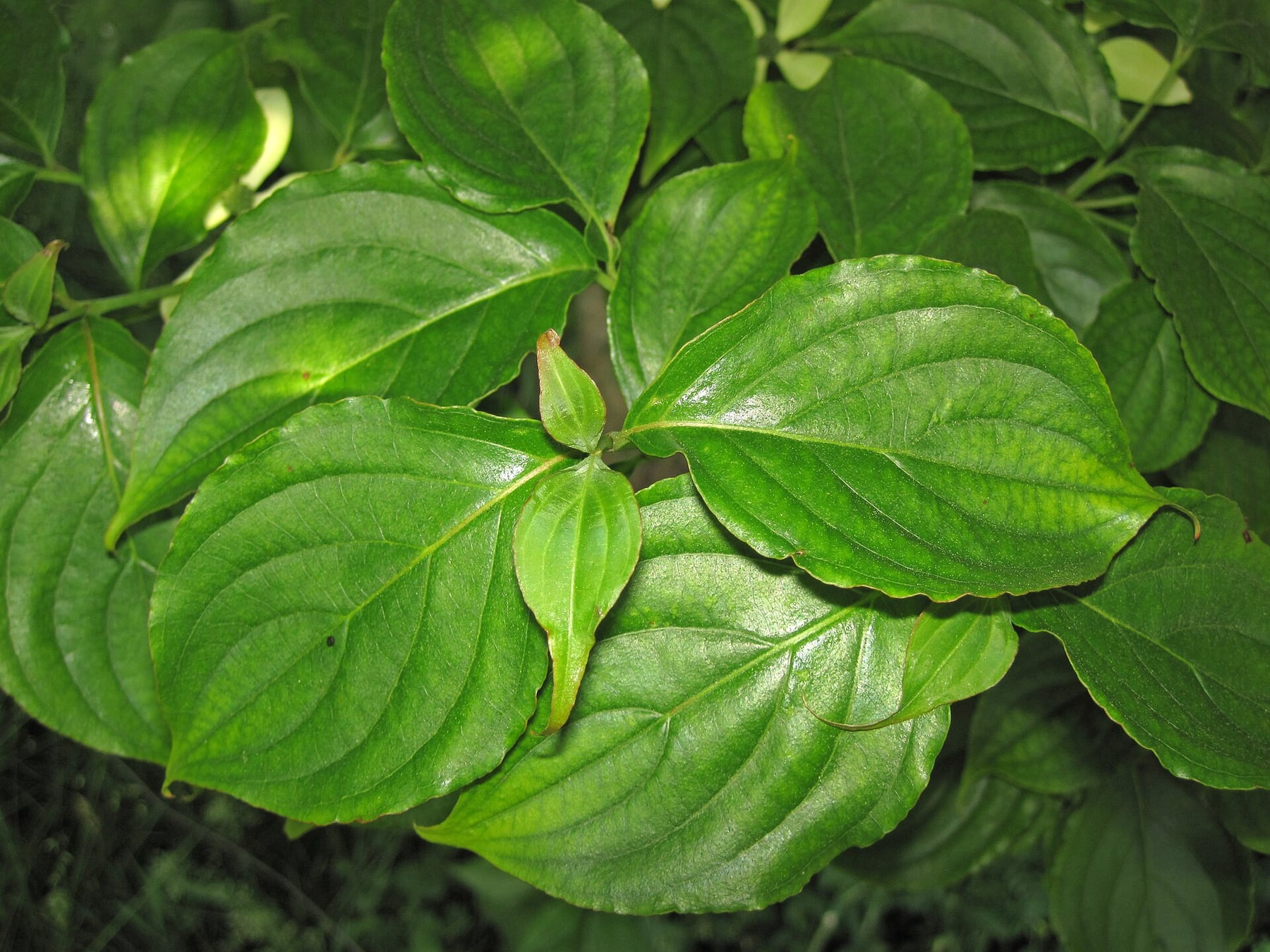
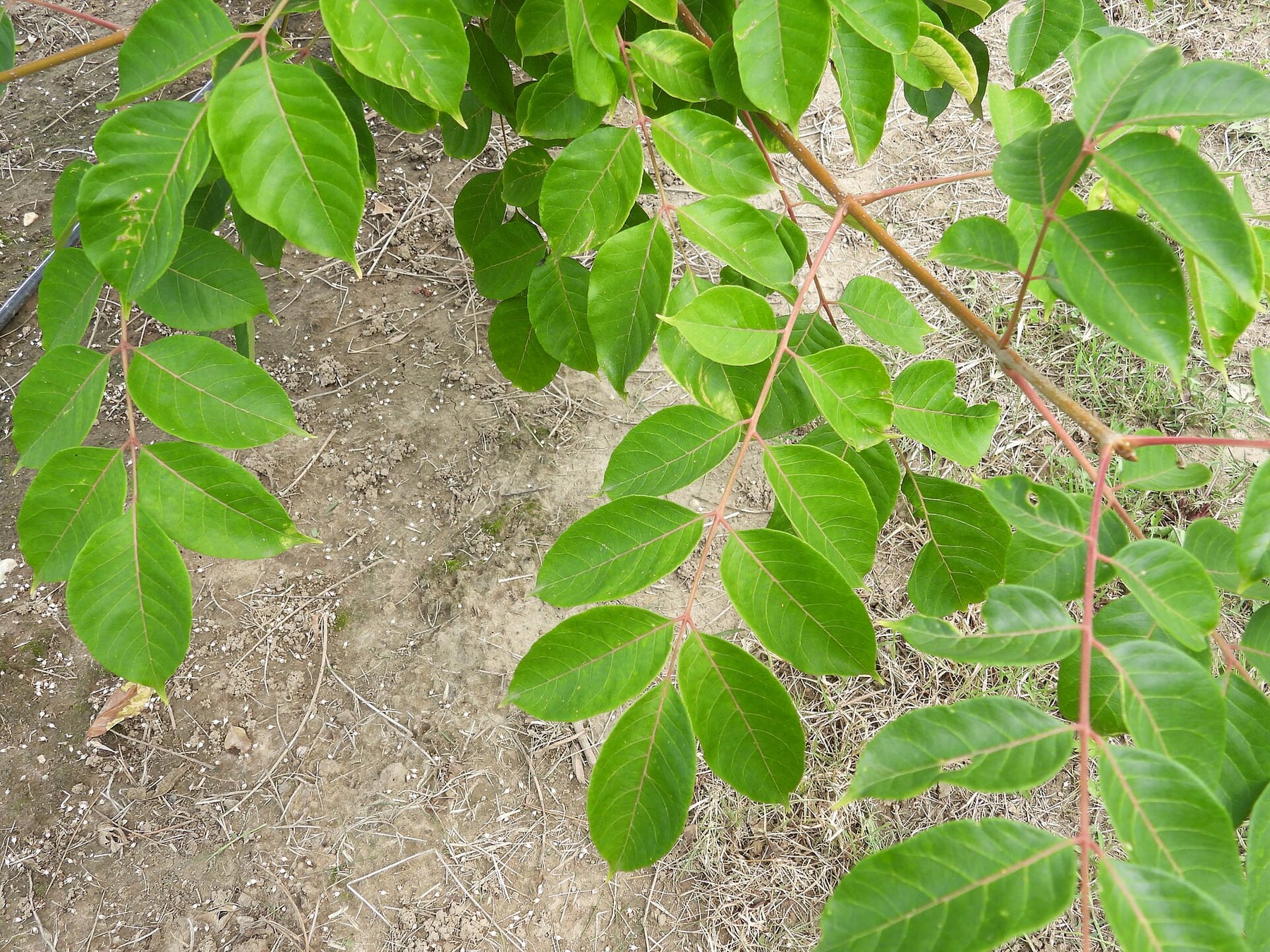
Collector trees from Asia and America. This plant is in the lesson “Collector trees from Asia and America”, with 7 others.

Kousa dogwood
Bee-bee tree
Seville orange
Kentucky coffee tree
Paper mulberry
+3

A free account is enough for this lesson.

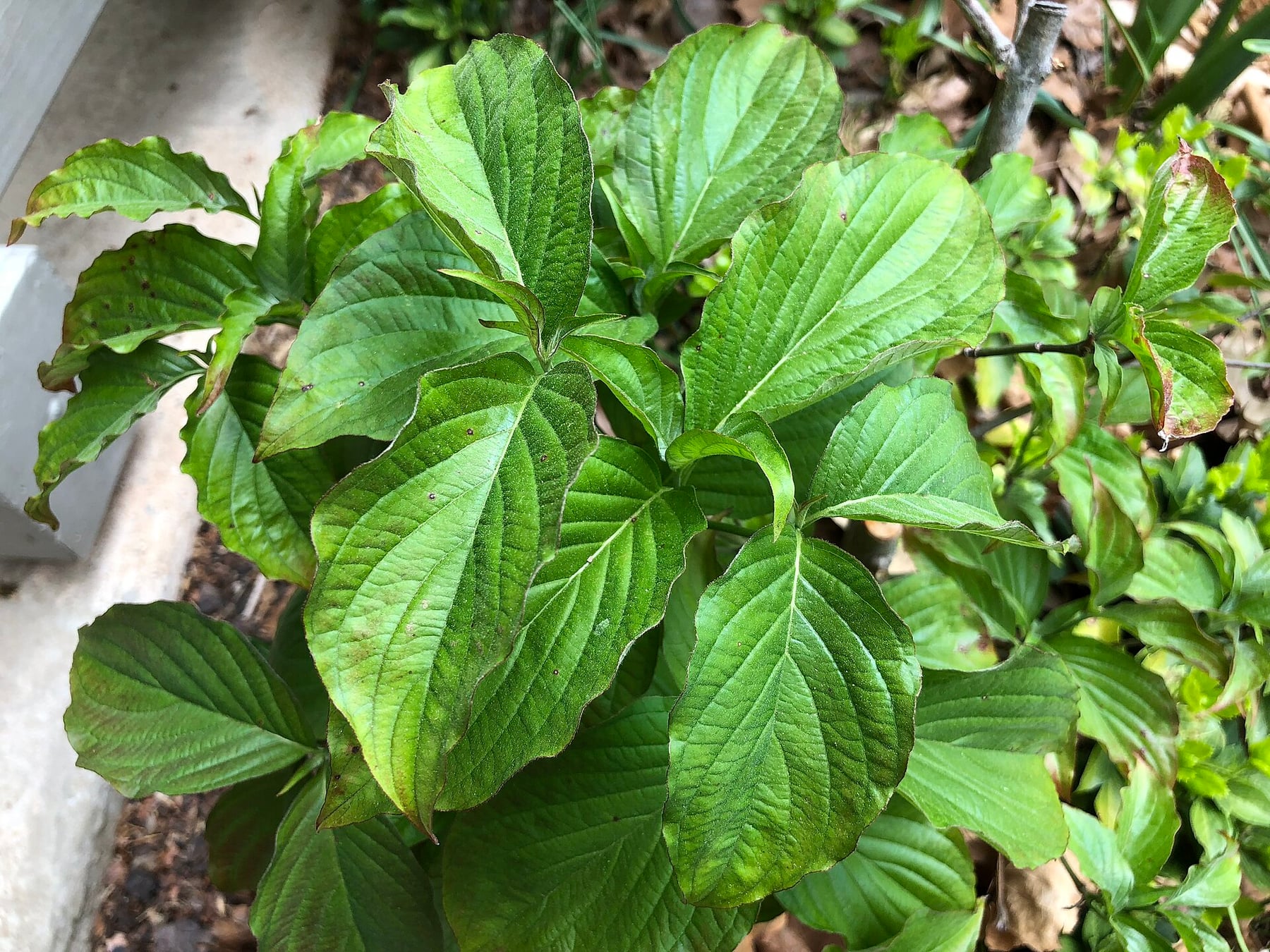
🍃 Leaves
Deciduous, ovate, bright green, turning purplish-red in autumn
🌸 Flowers
Tiny, surrounded by four large star-shaped white (sometimes pink) bracts, very conspicuous
🍎 Fruits
Large round pink-red fruits with a granular surface, edible, resembling strawberries
🪵 Bark
Brown-grey, flaking in plates with age on old specimens
Distribution, pollinators, uses
🗺️ Distribution
Native to Japan, Korea and China
🐝 Value for pollinators
Flowering not very rich in nectar but fruits appreciated by birds in autumn
✂️ Horticultural uses
Much prized in small gardens for its spectacular flowering, autumn foliage and decorative fruits

⚠️ Look-alike species

Kousa dogwood
Kousa dogwood
Cornus kousa
Flowering dogwood
Flowering dogwood
Cornus florida

Flowering dogwood has white bracts notched (as if pinched) at the tip and flowers early in spring before the leaves appear, whereas kousa dogwood has pointed bracts and flowers later, once the leaves are already developed.
See the full comparison →

ℹ️ Educational profile — do not use it to judge whether a plant is edible or safe.

🌱 This database is constantly evolving — species and information are added and corrected regularly. Spotted a mistake? Report it below.

© Floraneo — profile content is protected; reproduction without permission is prohibited. Photos remain under their own licence (see the credit shown on each photo).