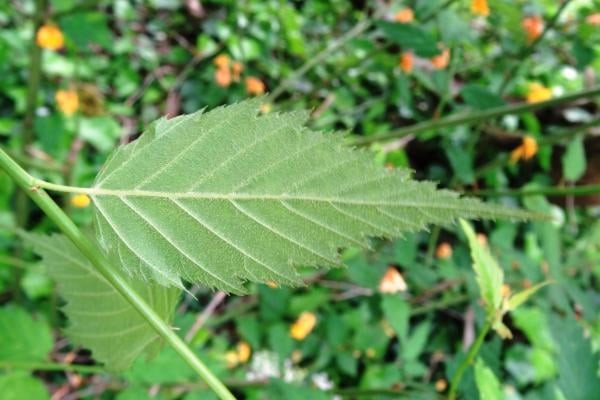
Leaf
Alain Bigou, Tela Botanica · CC BY-SA 2.0
Kerria
Kerria japonica (L.) DC.
Also known as: Japanese kerria, Japanese rose, Jew's mallow
Family: Rosaceae
- 1 to 2 m tall
- Borders, informal hedges, ordinary soils
- Full sun, Part shade
- Hardy to -20°C
In flower from April to May
2 months❓ How do you recognise this plant?
Its stems stay green all year, bringing colour to the garden even in winter.
Learn to recognise it
Collector shrubs. This plant is in the lesson “Collector shrubs”, with 10 others.
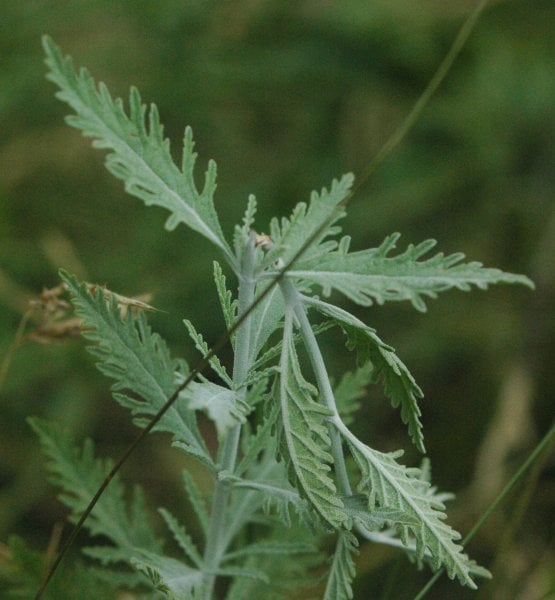
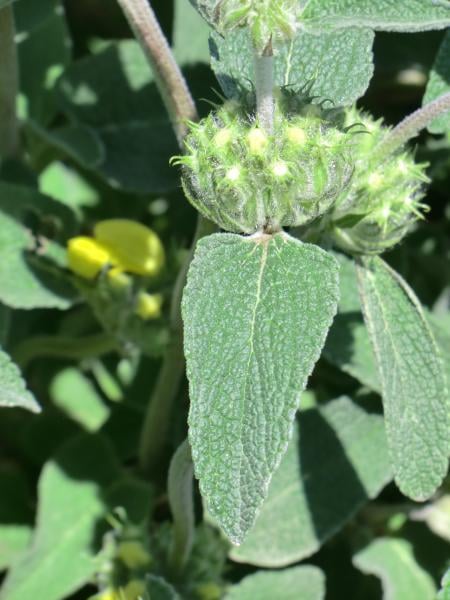

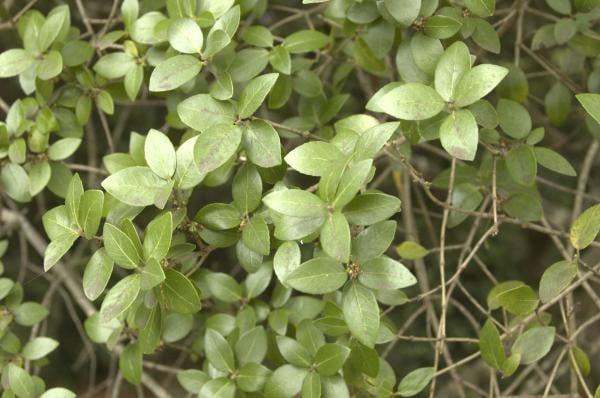
🍃 Leaves
Deciduous, ovate, toothed, bright green
🌸 Flowers
Single yellow flowers in the botanical form, often double in garden cultivars; double flowers are less favourable to pollinators.
🍎 Fruits
Small dry achenes, hardly visible
🪵 Bark
Young twigs green, supple and arching, often staying green in winter; old twigs becoming more woody and brownish.
Distribution, pollinators, uses
🗺️ Distribution
China, Japan; widely grown in France as an ornamental, not wild.
🐝 Value for pollinators
Single yellow flowers (wild form) bearing nectar, visited by bees in spring; double-flowered cultivars are sterile.
✂️ Horticultural uses
Planted in borders or along walls for its early bright yellow flowering.
⚠️ Possible toxicity
No known toxicity.
🌱 Known cultivars
'Pleniflora'
The 'Pleniflora' cultivar produces double flowers shaped like small bright yellow pompons, quite different from the single five-petalled flowers of the type species.
🌿 Other Rosaceae to discover
ℹ️ Educational profile — do not use it to judge whether a plant is edible or safe.
🌱 This database is constantly evolving — species and information are added and corrected regularly. Spotted a mistake? Report it below.
© Floraneo — profile content is protected; reproduction without permission is prohibited. Photos remain under their own licence (see the credit shown on each photo).