Leaf
Alpsdake, Wikimedia · CC BY-SA 4.0
- 60 cm to 1.50 m tall
- Planted in hedges and garden borders
- Full sun
- Hardy to about -25°C
In flower from June to August
3 months❓ How do you recognise this plant?
Unlike most spiraeas, which flower in spring, Japanese spiraea flowers in midsummer — a late flowering that is rare in this genus. Japanese spiraea has pink flowers in small flat clusters all summer; Van Houtte's spiraea flowers only once, in spring, in cascades of small white flowers along arching twigs.
Learn to recognise it
Common ornamental shrubs. This plant is in the lesson “Common ornamental shrubs”, with 10 others.
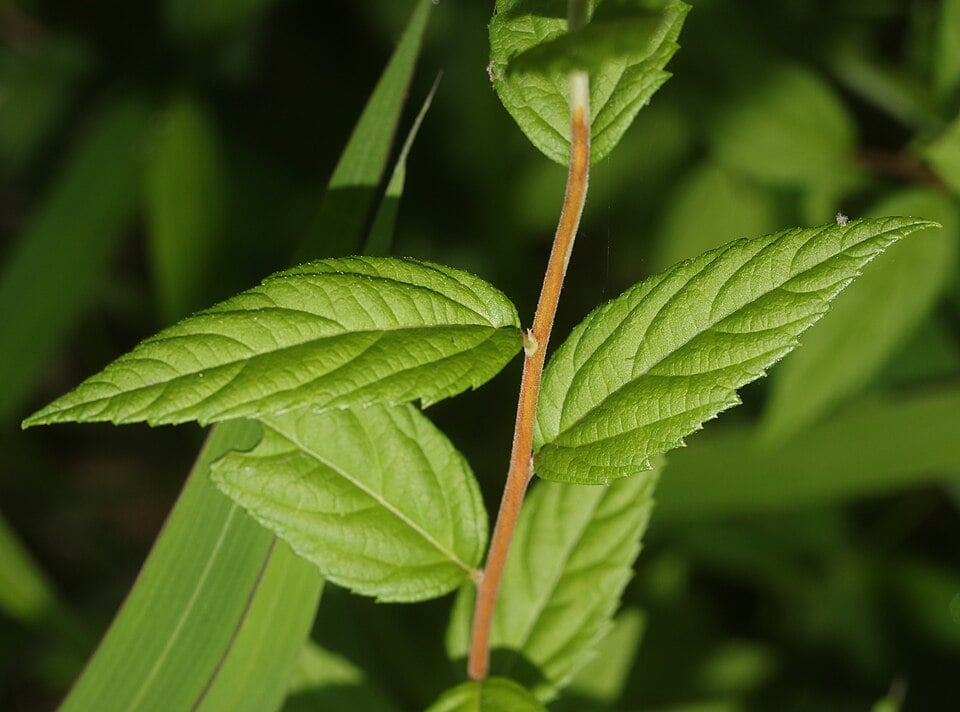


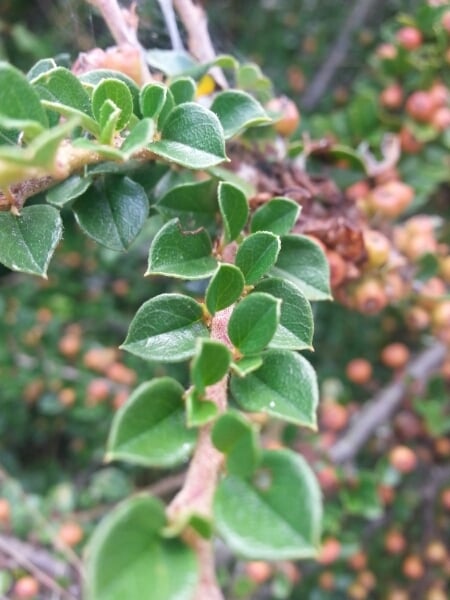
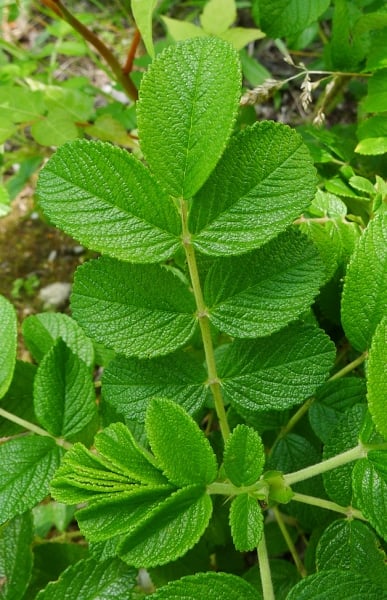
🍃 Leaves
Lanceolate, toothed, bright green, sometimes tinged with purple depending on the variety
🌸 Flowers
Small, pink, grouped in dense flat corymbs at the tops of the twigs
🍎 Fruits
Small dry follicle, barely visible
🪵 Bark
Slender, angular, reddish-brown twigs
Distribution, pollinators, uses
🗺️ Distribution
Native to East Asia; widely grown and sometimes naturalised in France
🐝 Value for pollinators
Summer flowering very rich in nectar, heavily visited by bees and butterflies
✂️ Horticultural uses
Shrub for low hedges or borders, valued for its prolonged summer flowering and ease of cultivation
⚠️ Possible toxicity
No known toxicity
🌱 Known cultivars
Goldflame
Its foliage steals the show: the young shoots emerge coppery orange in spring, turn golden yellow in summer then orange-red in autumn, on a compact 60 to 80 cm shrub topped with small pink flowers in June–July.
Little Princess
Forms a compact, regular dome 60 to 80 cm tall with fine blue-green foliage, covered with small bright pink flowers in early summer — an essential classic for small gardens and borders.
Anthony Waterer
Old cultivar (late 19th century) still very widely planted, recognisable by its large flat corymbs of carmine-pink flowers that follow one another all summer on a spreading 60 to 90 cm shrub.
⚠️ Look-alike species
Japanese spiraea
Spiraea japonica
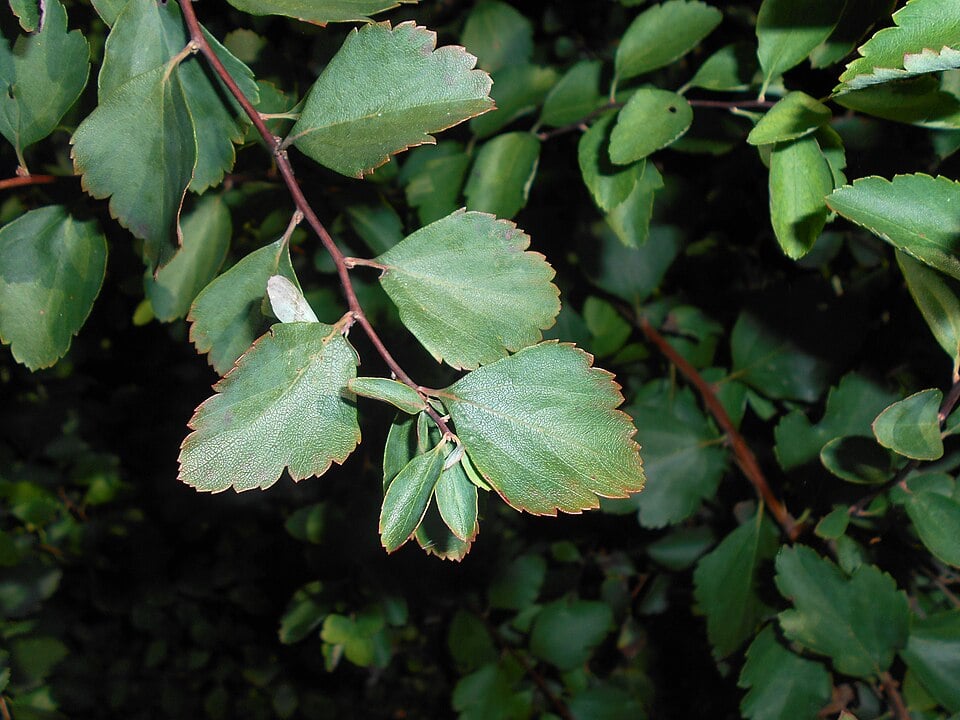
Van Houtte's spiraea
Spiraea × vanhouttei
Japanese spiraea has pink flowers in small flat clusters all summer; Van Houtte's spiraea flowers only once, in spring, in cascades of small white flowers along arching twigs.
🌿 Other Rosaceae to discover
ℹ️ Educational profile — do not use it to judge whether a plant is edible or safe.
🌱 This database is constantly evolving — species and information are added and corrected regularly. Spotted a mistake? Report it below.
© Floraneo — profile content is protected; reproduction without permission is prohibited. Photos remain under their own licence (see the credit shown on each photo).