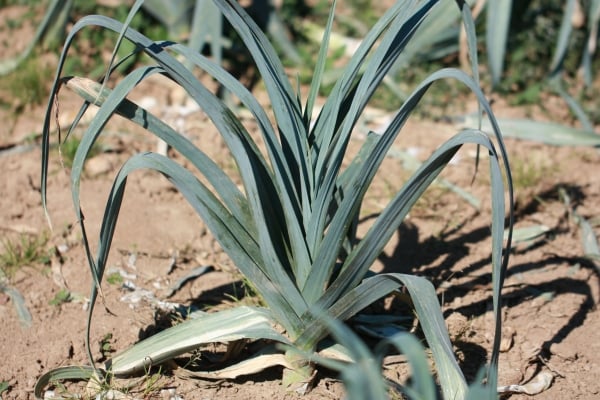
Leaf
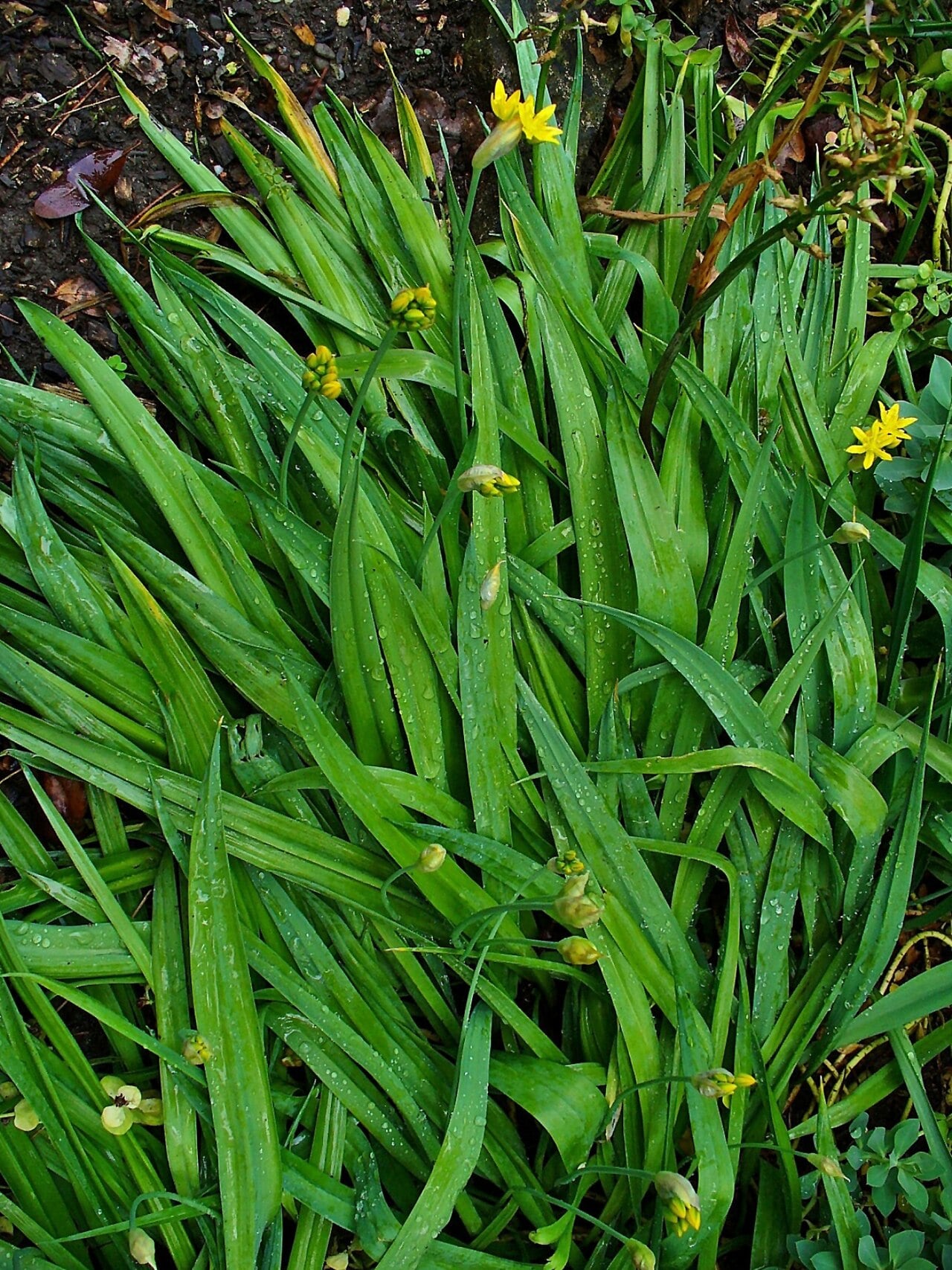
H. Zell, Wikimedia · CC BY-SA 3.0
Telling Allium (garlics, onions…) apart ›
- 20 to 35 cm tall
- Rocky ground, open woods and dry slopes of south-western Europe; grown in beds and naturalised at the edges of borders on free-draining soil
- Full sun, Part shade
- Hardy, to -20°C
In flower from June to July
2 months❓ How do you recognise this plant?
It is one of the few ornamental alliums with yellow flowers: its golden star-shaped umbel stands out against the white, pink or purple flowers of most other alliums.
🍃 Leaves
2 to 3 broad, flat, lanceolate leaves, glaucous grey-green, 2 to 5 cm wide
🌸 Flowers
10 to 30 small star-shaped flowers of bright golden yellow, grouped in a flattened umbel 5 to 7 cm across at the top of an upright flowering stem
🍎 Fruits
Small capsule with black seeds; the bulb also forms bulbils that multiply it
🌿 Stem and habit
Underground bulb, smooth leafless flowering stem
Distribution, pollinators, uses
🗺️ Distribution
South-western Europe (Iberian Peninsula, southern France); cultivated and sometimes naturalised elsewhere in Europe
🐝 Value for pollinators
Nectar-rich flowers in an umbel, much visited by bees, hoverflies and butterflies in early summer
✂️ Horticultural uses
Ornamental allium with yellow flowers, rare in this genus, for borders, rock gardens and the foot of roses; it naturalises readily and can become invasive
⚠️ Possible toxicity
No toxicity known to humans; potentially toxic to dogs and cats if eaten, like other alliums (sulphur compounds that can cause anaemia).
🌱 Known cultivars
'Jeannine'
Selection with larger umbels and golden-yellow flowers than the species.
🌿 Other Amaryllidaceae to discover
ℹ️ Educational profile — do not use it to judge whether a plant is edible or safe.
🌱 This database is constantly evolving — species and information are added and corrected regularly. Spotted a mistake? Report it below.
© Floraneo — profile content is protected; reproduction without permission is prohibited. Photos remain under their own licence (see the credit shown on each photo).