Habit
3268zauber · CC BY-SA 3.0
- 60 cm to 1.2 m tall
- Planted in sunny beds, rich, free-draining soils
- Full sun
- Not very hardy, the corm dislikes frost and must be lifted in cold climates
In flower from July to September
3 months❓ How do you recognise this plant?
The garden gladiolus grown today is a complex hybrid derived from crossing dozens of wild South African species, selected since the 19th century for the size and colour diversity of its flowers.
Learn to recognise it
Classic spring flowers. This plant is in the lesson “Classic spring flowers”, with 11 others.


🍃 Leaves
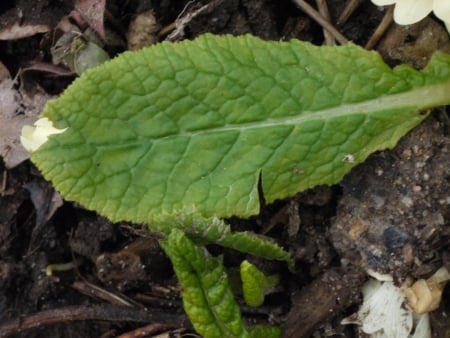
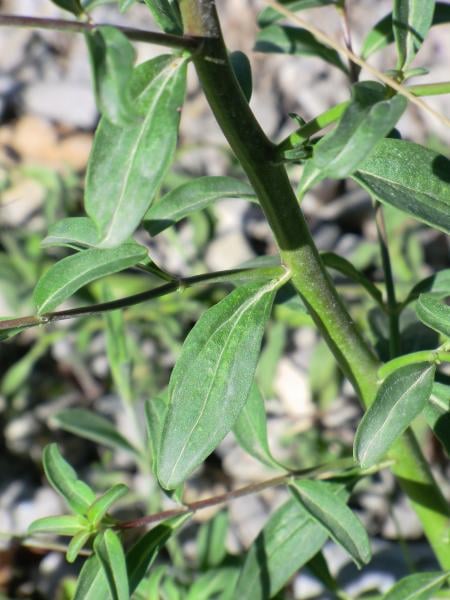
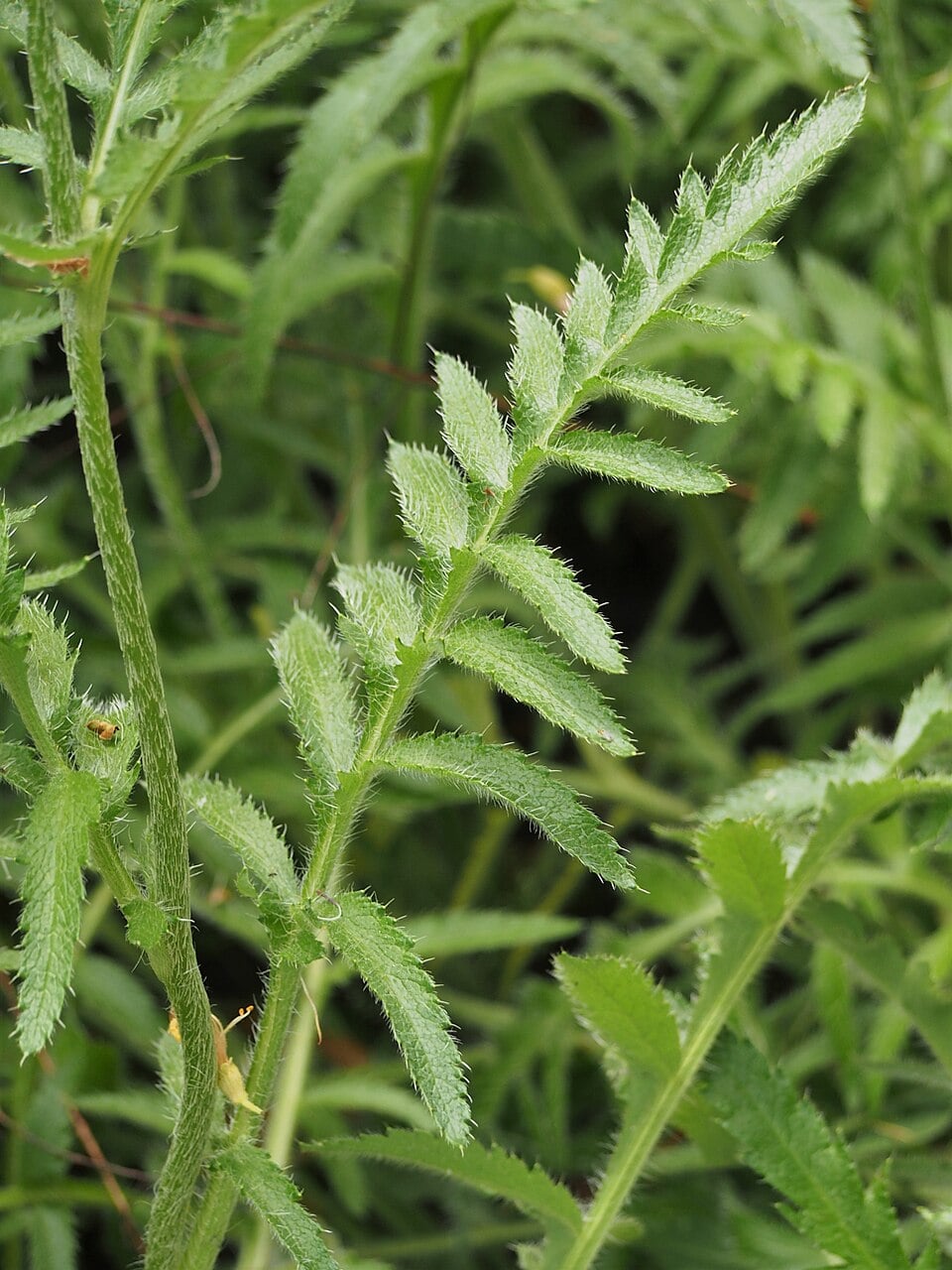
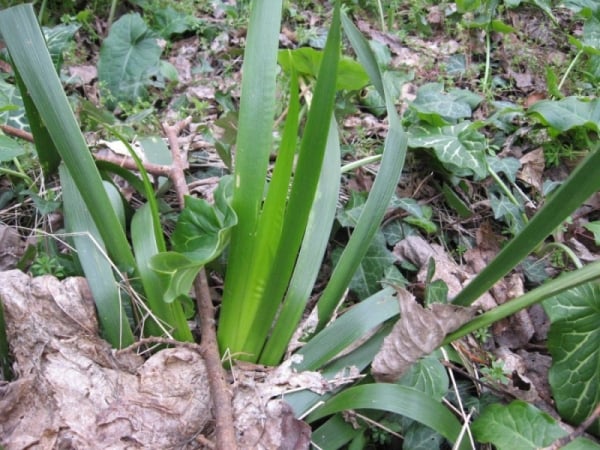
Long, sword-shaped, held upright in a fan
🌸 Flowers
Large, funnel-shaped, in a wide range of colours, held in a long, upright, one-sided spike
🍎 Fruits
Small dry capsule
🌿 Stem and habit
Herbaceous perennial clump formed from an underground corm (swollen bulb)
Distribution, pollinators, uses
🗺️ Distribution
Horticultural hybrid derived from crosses of South African species; very widely grown in France
🐝 Value for pollinators
Large nectar-rich flowers, visited by bees and butterflies
✂️ Horticultural uses
Major bedding plant and cut flower, grown for its long spike of coloured flowers; corm to be lifted in winter in cold climates
⚠️ Possible toxicity
No significant toxicity known to humans; however toxic to dogs, cats and horses (especially the corm), and may cause drooling, vomiting and lethargy if eaten.
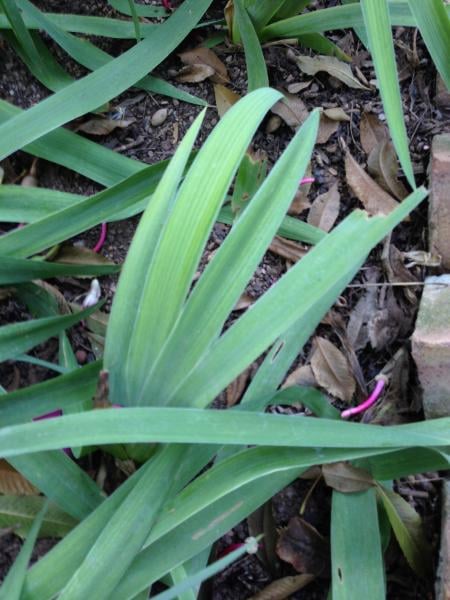
🌿 Other Iridaceae to discover

ℹ️ Educational profile — do not use it to judge whether a plant is edible or safe.
🌱 This database is constantly evolving — species and information are added and corrected regularly. Spotted a mistake? Report it below.
© Floraneo — profile content is protected; reproduction without permission is prohibited. Photos remain under their own licence (see the credit shown on each photo).