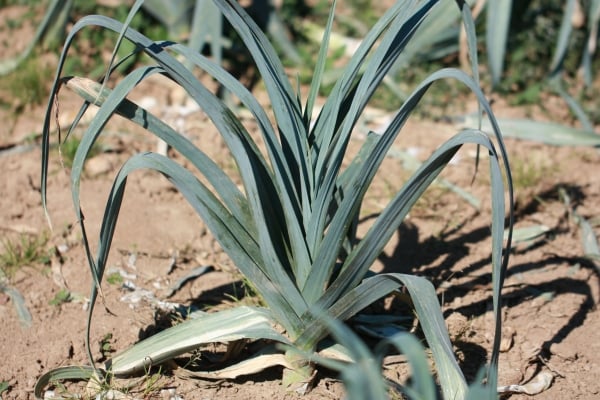
Leaf
Алёна Осипова, iNaturalist · CC BY
Telling Allium (garlics, onions…) apart ›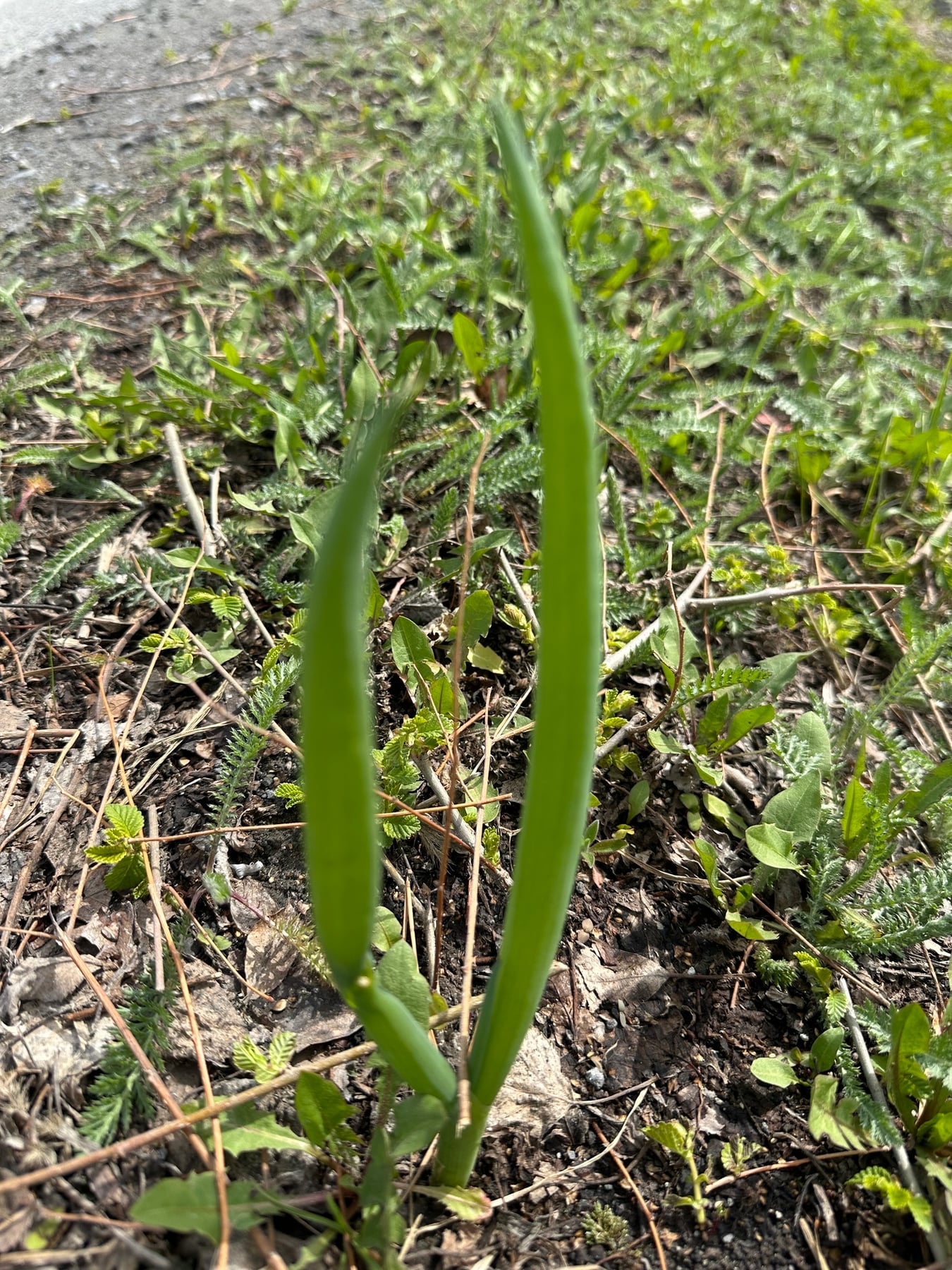
 See the full comparison →
- 1 to 1.5 m tall
- Borders and spring gardens; native to central Asia (Iran, Tajikistan), grown for its huge balls
- Full sun
- Very hardy, to -23°C
In flower from May to June
2 months❓ How do you recognise this plant?
Its ball, 15 cm across, is made of several hundred small flowers; even faded, the dry head stays decorative all summer. Giant allium bears a very big ball 10 to 15 cm across of purple-lilac flowers on a stem 1 to 1.5 m tall, with broad leaves; round-headed leek bears a small oval 3 to 4 cm long, purplish-red and green, on a stem 50 to 80 cm tall, with thin hollow leaves.
🍃 Leaves
Basal, 6 to 9 wide strap-like leaves 40 to 60 cm long, bluish-green, which turn yellow before flowering
🌸 Flowers
Large sphere 10 to 15 cm across made of hundreds of small star-shaped purple-lilac flowers, on a very tall stem
🍎 Fruits
Dry capsules containing black seeds, which remain after flowering
🌿 Stem and habit
Upright stiff hairless flower stalk from a bulb the size of an orange
Distribution, pollinators, uses
🗺️ Distribution
Central Asia; grown in Europe
🐝 Value for pollinators
Spheres much visited by bees, bumblebees and hoverflies
✂️ Horticultural uses
Spectacular ornamental bulb, planted in groups; its dry seed heads are cut for dried bouquets
⚠️ Possible toxicity
Toxic if eaten in quantity (like other ornamental alliums); the bulb smells of garlic when damaged
⚠️ Look-alike species
Giant allium
Allium giganteum
Round-headed leek
Allium sphaerocephalon
Giant allium bears a very big ball 10 to 15 cm across of purple-lilac flowers on a stem 1 to 1.5 m tall, with broad leaves; round-headed leek bears a small oval 3 to 4 cm long, purplish-red and green, on a stem 50 to 80 cm tall, with thin hollow leaves.
🌿 Other Amaryllidaceae to discover
ℹ️ Educational profile — do not use it to judge whether a plant is edible or safe.
🌱 This database is constantly evolving — species and information are added and corrected regularly. Spotted a mistake? Report it below.
© Floraneo — profile content is protected; reproduction without permission is prohibited. Photos remain under their own licence (see the credit shown on each photo).