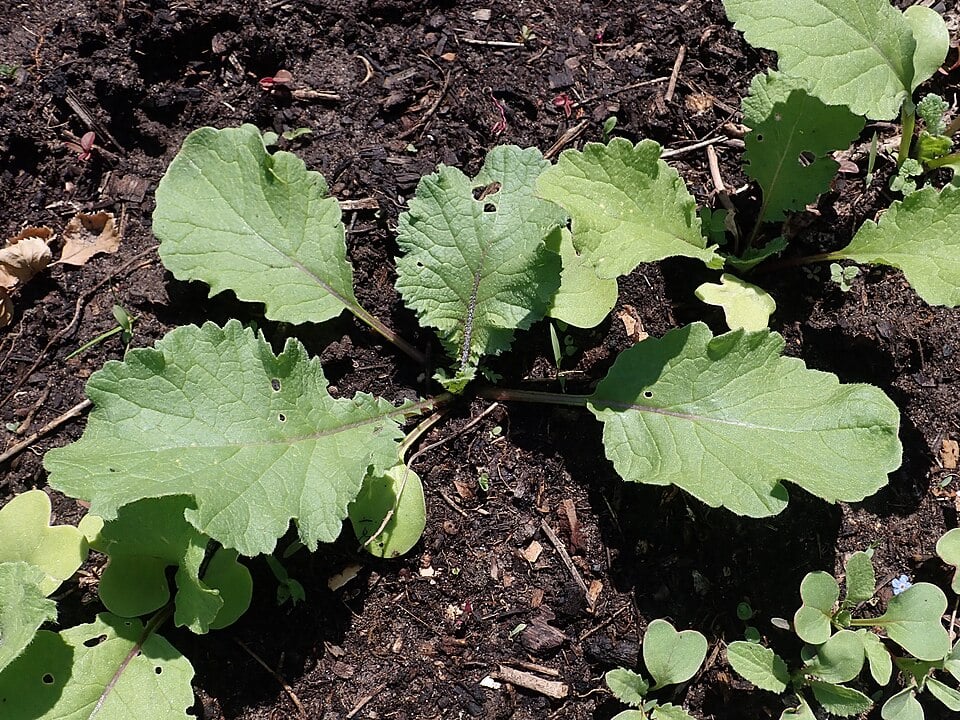
Leaf
Patrick Ressayre, Tela Botanica · CC BY-SA 2.0
Garlic mustard
Alliaria petiolata (M.Bieb.) Cavara & Grande
Also known as: Jack-by-the-hedge
Family: Brassicaceae
- 30 to 100 cm tall
- Hedges, woodland edges, wall bases, cool understorey and shady gardens; nitrogen-rich, cool soils
- Part shade, Shade
- Very hardy, to -30°C
In flower from April to June
3 months❓ How do you recognise this plant?
Its crushed leaves smell of garlic, hence its Latin name (from allium); it is the host plant of the orange-tip caterpillar, a white butterfly whose male has orange wingtips. Garlic mustard is a plant with toothed heart-shaped leaves, whose small flowers have four petals in a cross and smell of garlic when crushed; ramsons has broad, smooth, lance-shaped leaves without teeth rising from the ground, and umbels of six-petalled star-shaped flowers. A garlic smell alone is never enough to identify a plant.
🍃 Leaves
Basal ones kidney-shaped and scalloped, on long stalks; stem leaves alternate, triangular to heart-shaped, toothed, 3 to 10 cm, bright green, smelling of garlic when crushed
🌸 Flowers
Small white four-petalled cross-shaped flowers 6 mm across, in terminal clusters
🍎 Fruits
Cylindrical pods (siliquae) 3 to 7 cm, held upright against the stem, which open in two valves
🌿 Stem and habit
Upright stem, simple or little branched, slightly hairy at the base
Distribution, pollinators, uses
🗺️ Distribution
Europe, North Africa and temperate Asia; very common in France; naturalised and invasive in North America
🐝 Value for pollinators
Host plant of the orange-tip caterpillar, a white butterfly with orange wingtips; flowers visited by hoverflies and flies
✂️ Horticultural uses
Wild plant of shady informal gardens; formerly used as a garlic-flavoured seasoning, now mainly regarded as a weed
⚠️ Possible toxicity
Plant with a garlic smell containing sulphur compounds and, in small quantity, cyanogenic glucosides; not to be presented as a safe food
⚠️ Look-alike species
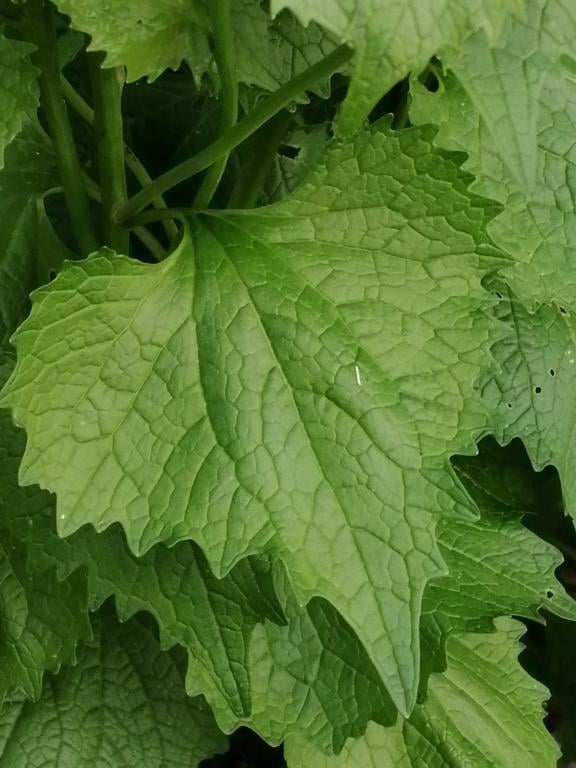
Garlic mustard
Alliaria petiolata
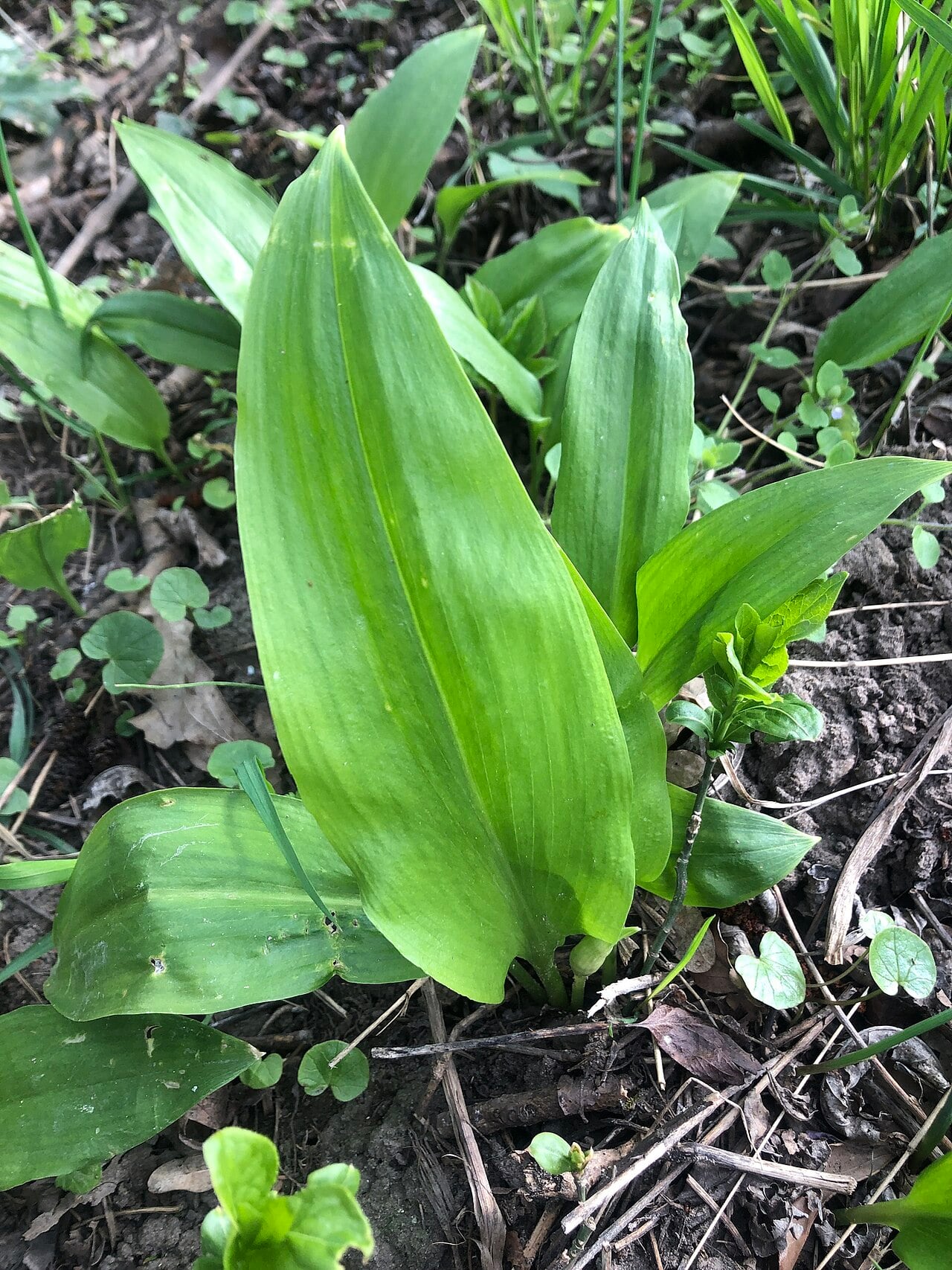
Ramsons
Allium ursinum
Garlic mustard is a plant with toothed heart-shaped leaves, whose small flowers have four petals in a cross and smell of garlic when crushed; ramsons has broad, smooth, lance-shaped leaves without teeth rising from the ground, and umbels of six-petalled star-shaped flowers. A garlic smell alone is never enough to identify a plant.
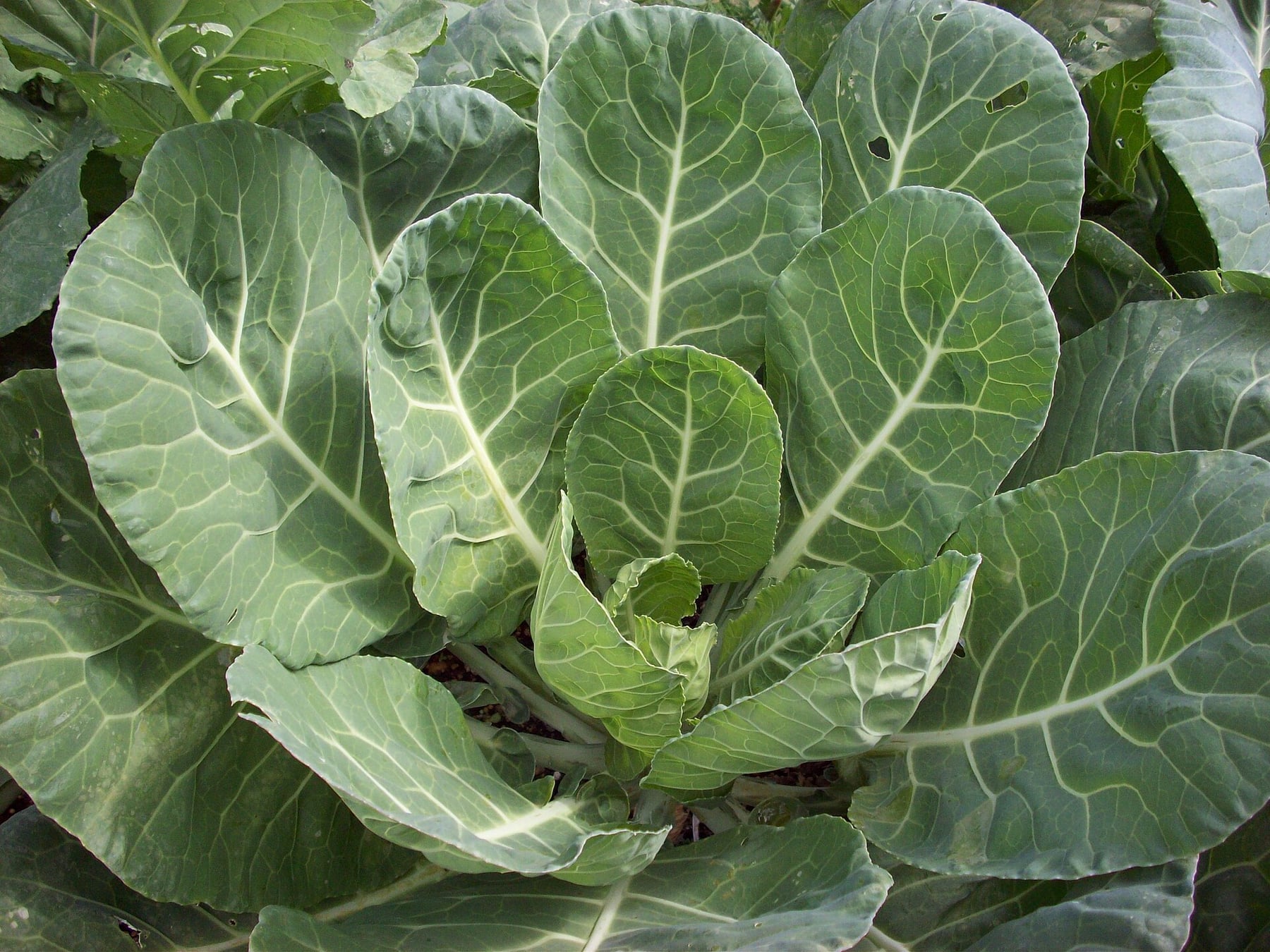
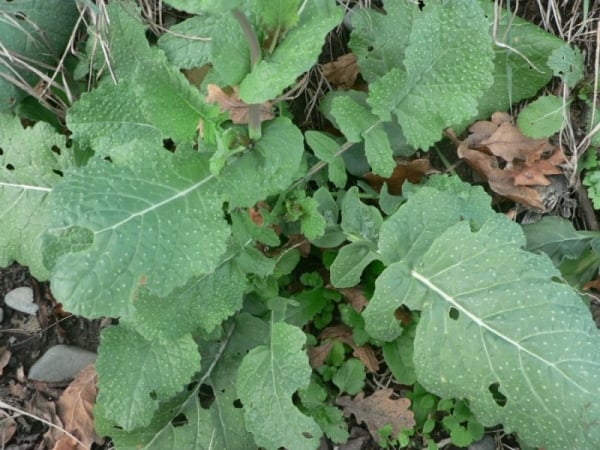
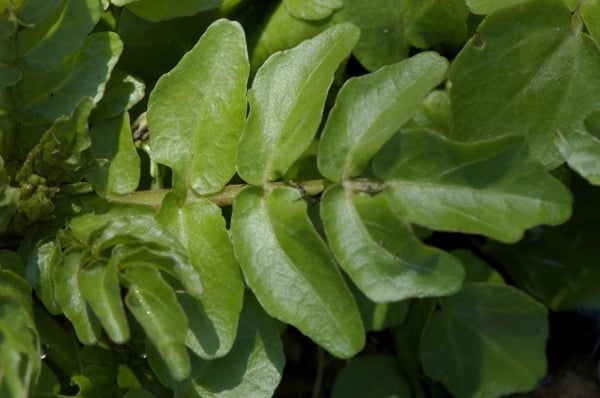
🌿 Other Brassicaceae to discover
ℹ️ Educational profile — do not use it to judge whether a plant is edible or safe.
🌱 This database is constantly evolving — species and information are added and corrected regularly. Spotted a mistake? Report it below.
© Floraneo — profile content is protected; reproduction without permission is prohibited. Photos remain under their own licence (see the credit shown on each photo).