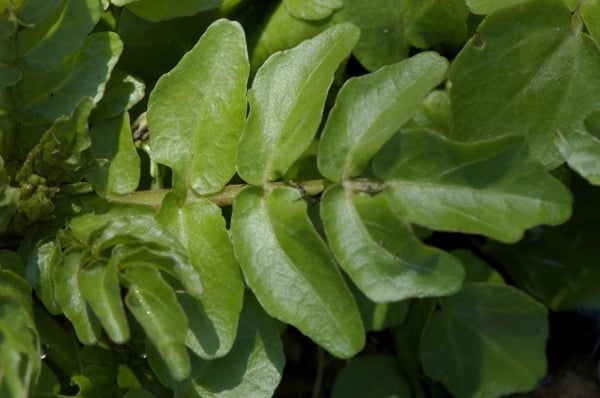
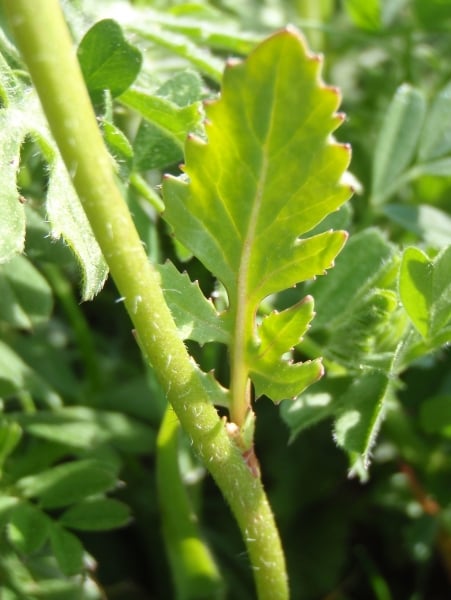
Leaf
Jean-Pascal Milcent · CC BY-SA 2.0
- 10 to 60 cm long, often floating or creeping
- Clear, cool running water, springs, streams; also grown in watercress beds
- Full sun, Part shade
- Hardy, tolerates frost, mainly declines from lack of running water
In flower from May to October
6 months❓ How do you recognise this plant?
Watercress grows directly in running water — it is one of the few truly aquatic vegetable plants grown in France, traditionally in flooded watercress beds.
Learn to recognise it
Herbs and classic vegetable-garden vegetables. This plant is in the lesson “Herbs and classic vegetable-garden vegetables”, with 11 others.
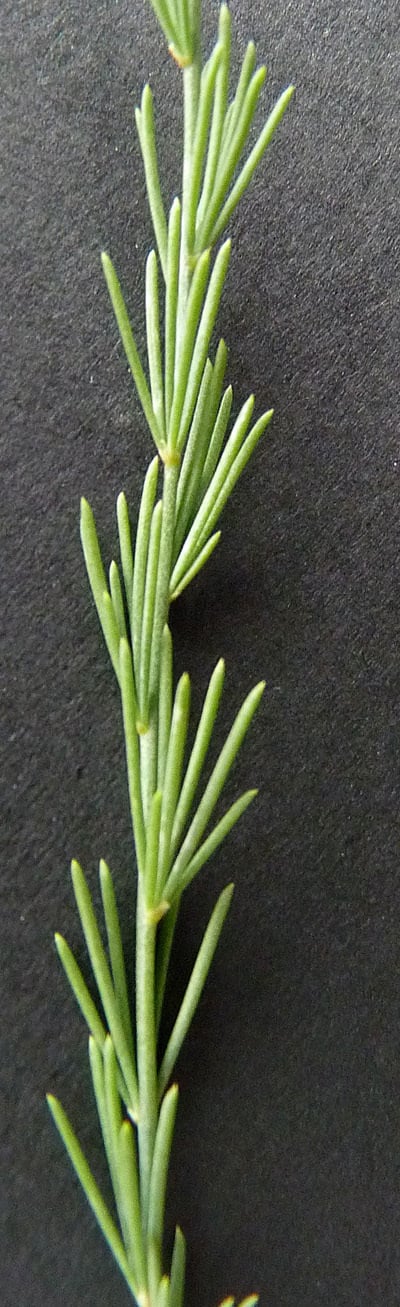
🍃 Leaves
Pinnate, made up of rounded leaflets, bright green, fleshy
🌸 Flowers
White, small, with 4 petals in a cross, grouped in racemes
🍎 Fruits
Short, slightly curved silique
🌿 Stem and habit
Hollow stem, creeping then rising, rooting at the nodes
Distribution, pollinators, uses
🗺️ Distribution
Widespread throughout France in unpolluted running water
🐝 Value for pollinators
Nectar-rich flowers, visited by small insects
✂️ Horticultural uses
Leaf vegetable grown in watercress beds, valued for its characteristic peppery flavour
⚠️ Possible toxicity
Edible raw in salads; only to be gathered from clean water because of the risk of parasites (liver fluke) on wild plants
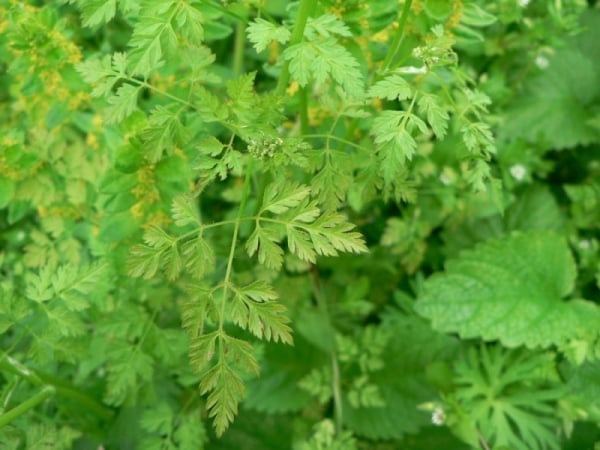
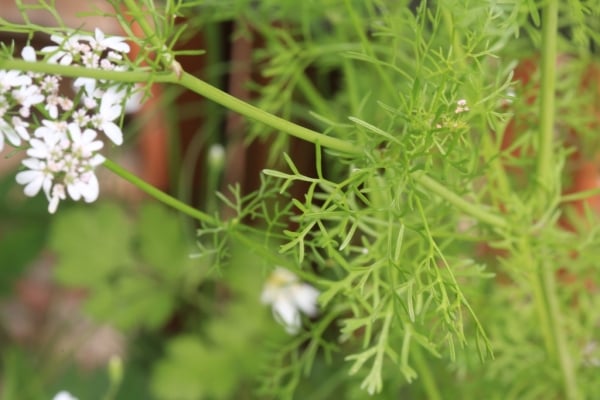
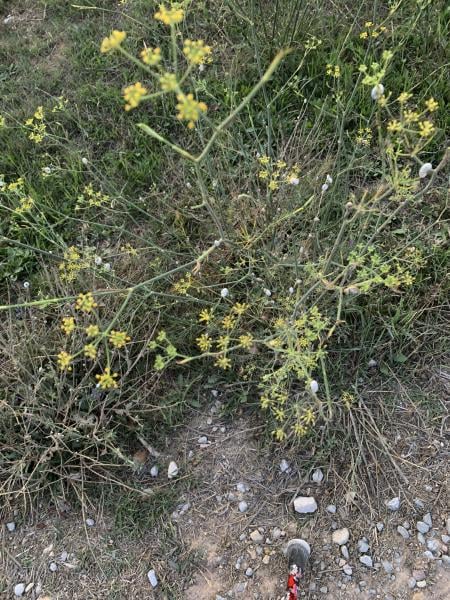
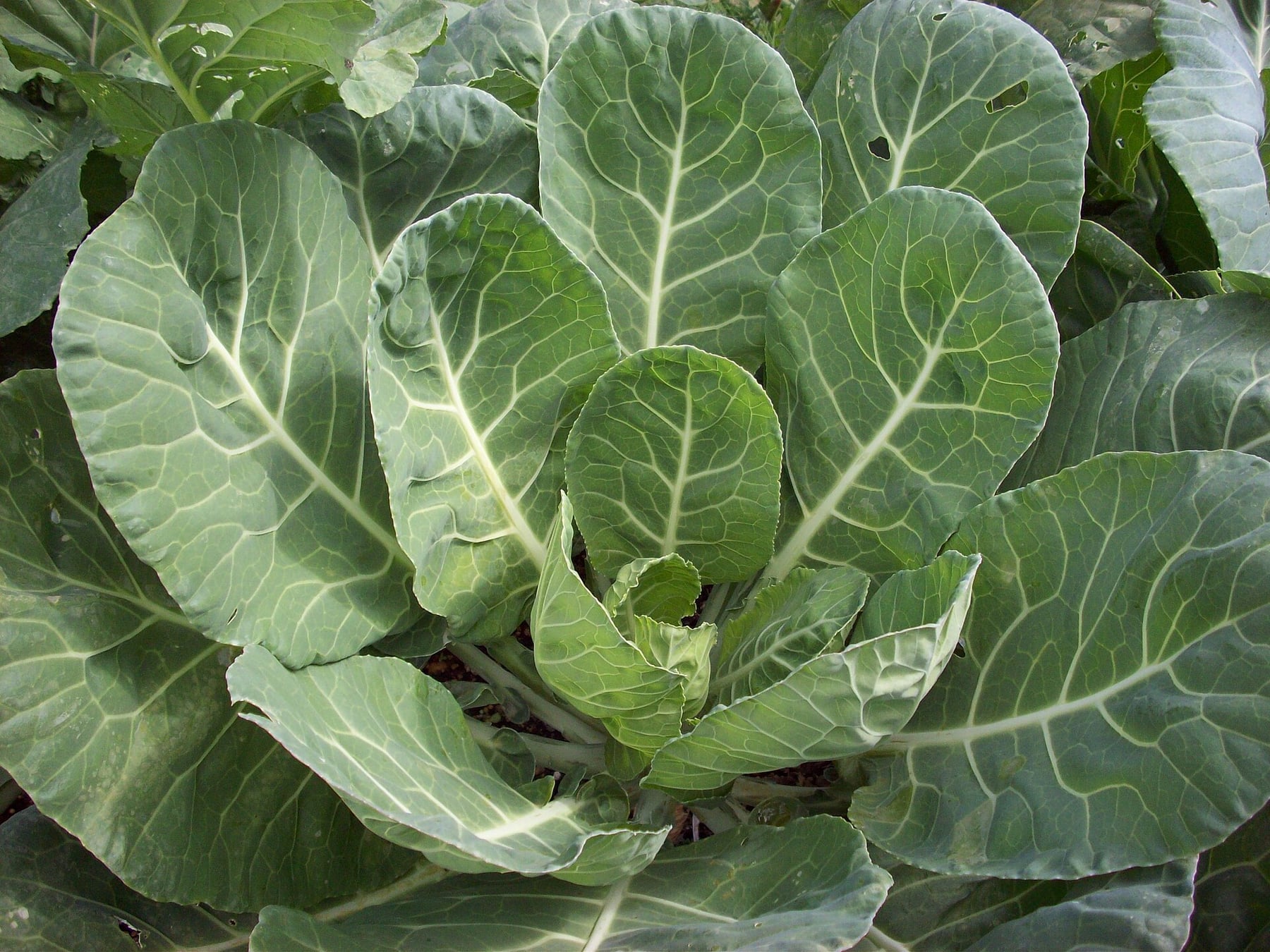
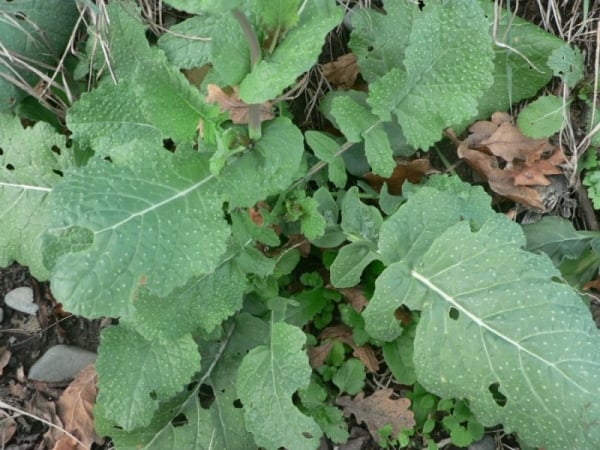
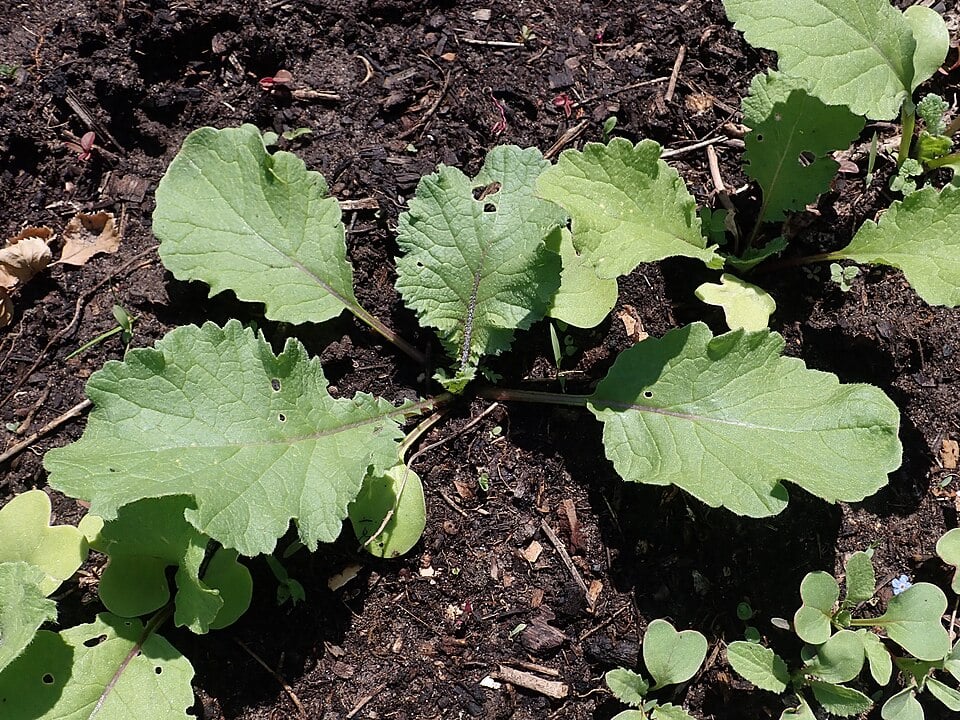
🌿 Other Brassicaceae to discover
ℹ️ Educational profile — do not use it to judge whether a plant is edible or safe.
🌱 This database is constantly evolving — species and information are added and corrected regularly. Spotted a mistake? Report it below.
© Floraneo — profile content is protected; reproduction without permission is prohibited. Photos remain under their own licence (see the credit shown on each photo).