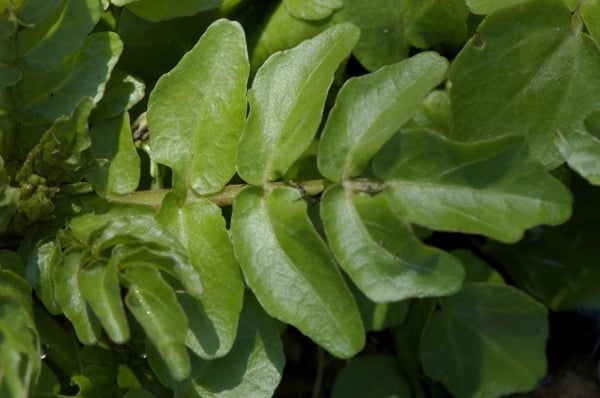
Leaf
Mathieu Menand, Tela Botanica · CC BY-SA 2.0
- 20 to 40 cm as a rosette, up to 1 m in flower
- Grown in vegetable gardens, moist, light soils
- Full sun
- Fairly hardy, tolerates light frosts
In flower from April to June
3 monthsApril – June if bolted
❓ How do you recognise this plant?
Before the potato arrived in Europe, the turnip was one of the staple root vegetables of the common diet.
Learn to recognise it
Salads, squashes and summer vegetables. This plant is in the lesson “Salads, squashes and summer vegetables”, with 11 others.
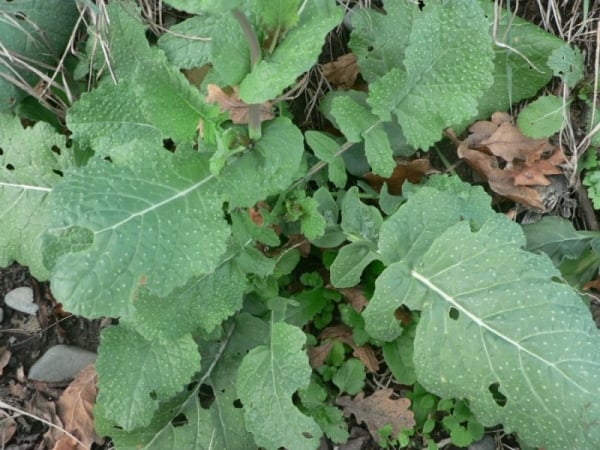
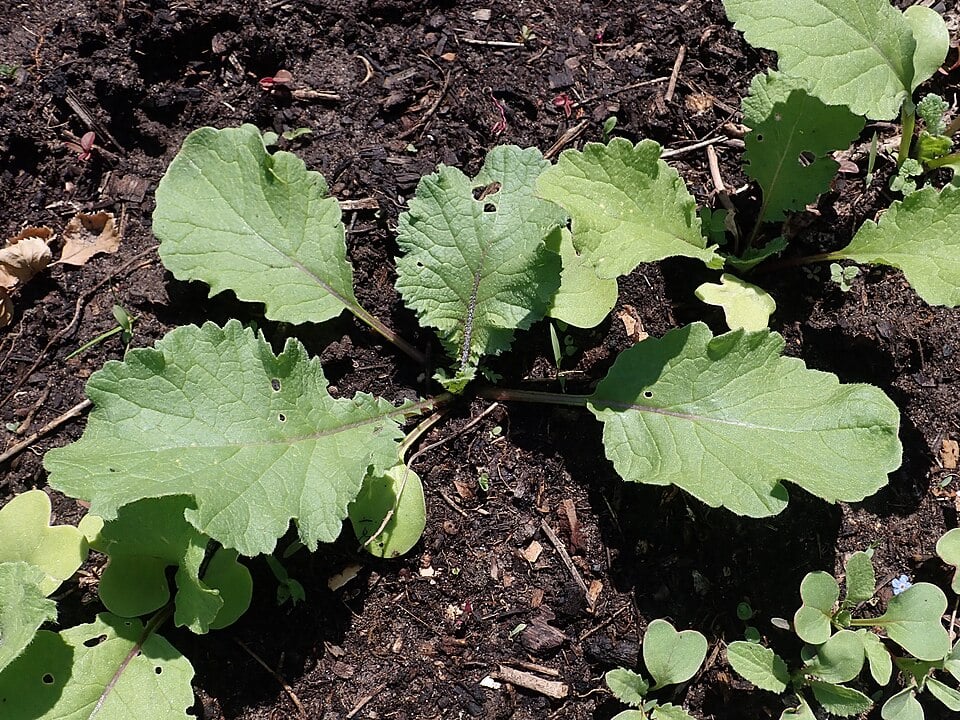


🍃 Leaves
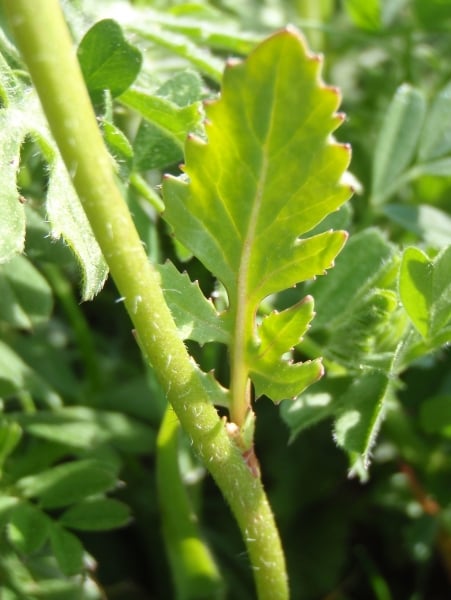
Rough, cut, bright green, in a rosette
🌸 Flowers
Yellow, with 4 petals in a cross, grouped in racemes
🍎 Fruits
Elongated siliqua containing several seeds
🌿 Stem and habit
Swollen taproot, white with a purplish collar depending on variety
Distribution, pollinators, uses
🗺️ Distribution
Grown throughout France, one of the oldest root vegetables grown in Europe
🐝 Value for pollinators
Nectar-rich flowers, much visited by bees when the plant bolts
✂️ Horticultural uses
Fast-growing root vegetable for the vegetable garden, also grown as fodder
⚠️ Possible toxicity
No known toxicity — root and young leaves edible
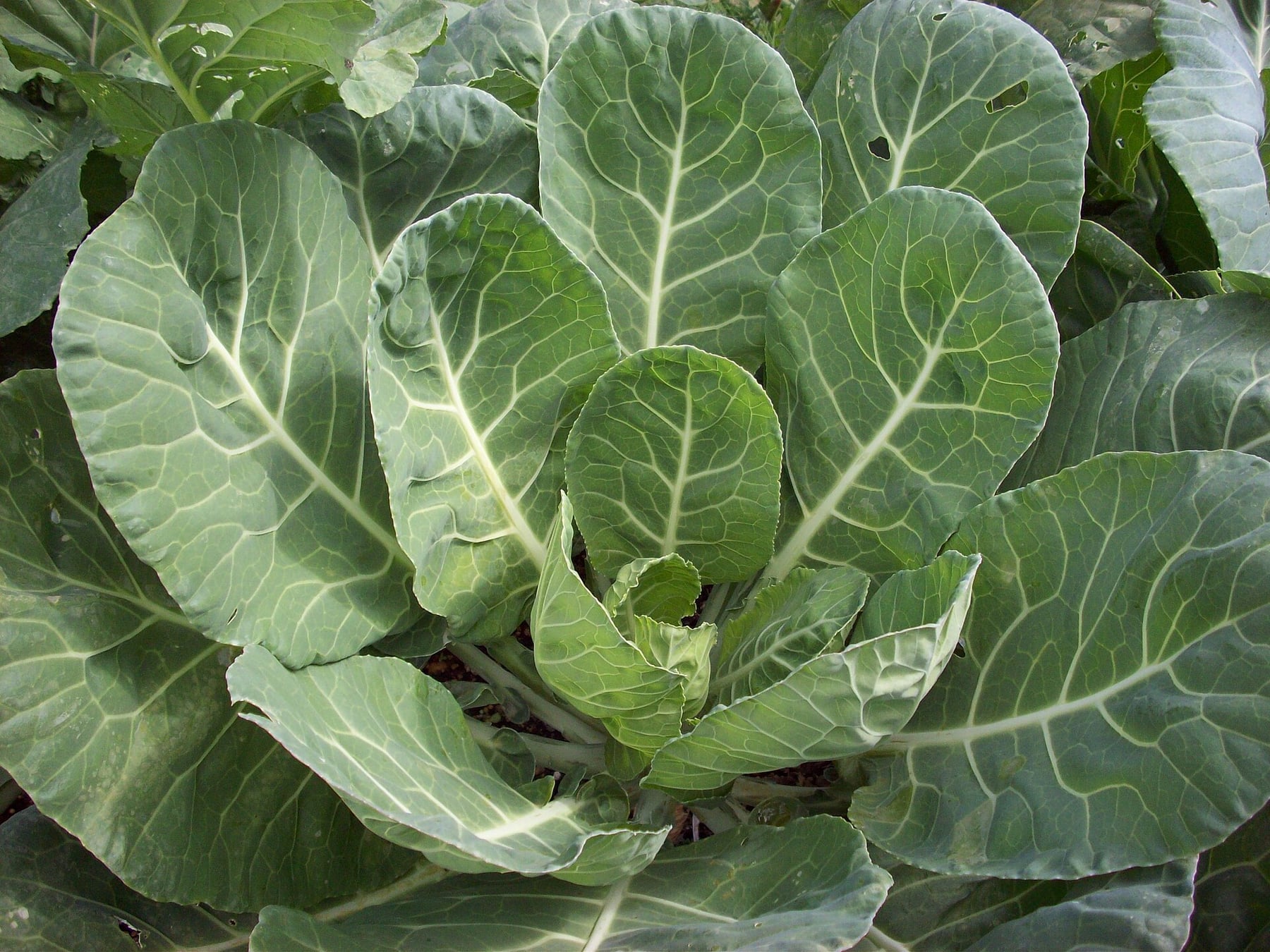
🌿 Other Brassicaceae to discover
ℹ️ Educational profile — do not use it to judge whether a plant is edible or safe.
🌱 This database is constantly evolving — species and information are added and corrected regularly. Spotted a mistake? Report it below.
© Floraneo — profile content is protected; reproduction without permission is prohibited. Photos remain under their own licence (see the credit shown on each photo).