Habit
Liliane Roubaudi, Tela Botanica · CC BY-SA 2.0
Fennel
Foeniculum vulgare Mill.
Also known as: Common fennel
Family: Apiaceae
1 to 2 m tall
Grown in the vegetable garden, also naturalised on banks and trackside verges in Mediterranean climates
Flowering: July – September
Full sun
Fairly hardy, withstands about -10°C, the bulb dislikes frost
❓ How do you recognise this plant?
The aniseed smell of fennel comes from anethole, the same aromatic compound found in anise and star anise — three unrelated plants that nonetheless produce the same fragrance. Two herbs with very finely thread-cut foliage. Fennel has a swollen base and a pronounced aniseed smell; dill stays slender from top to bottom with a smell closer to lemony parsley.
🍃 Leaves
Finely cut, thread-like, blue-green, giving off an aniseed smell when crushed
🌸 Flowers
Small, yellow, grouped in large compound umbels
🍎 Fruits
Elongated, ribbed achene, highly aromatic (fennel seed used in cooking)
🪵 Bark
Erect, ribbed, glaucous herbaceous stem
🗺️ Distribution
Native to the Mediterranean basin; grown and naturalised throughout France, especially in the south
🐝 Value for pollinators
Large, very nectar-rich umbels, among the most visited by bees and hoverflies in summer
✂️ Horticultural uses
Vegetable crop (Florence fennel bulb) and aromatic herb, decorative foliage
⚠️ Possible toxicity
No known toxicity — bulb, leaves and seeds edible
⚠️ Look-alike species
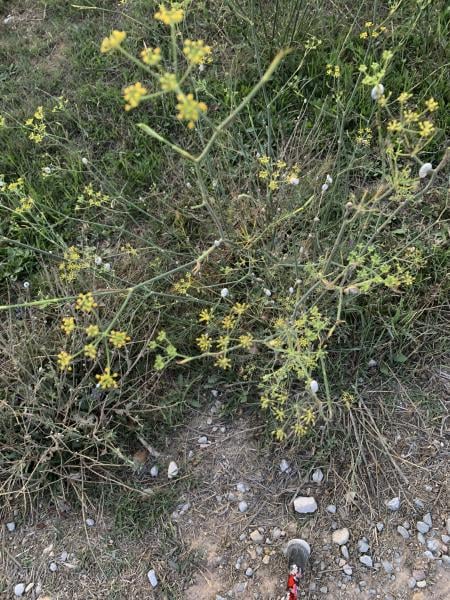
Fennel
Foeniculum vulgare
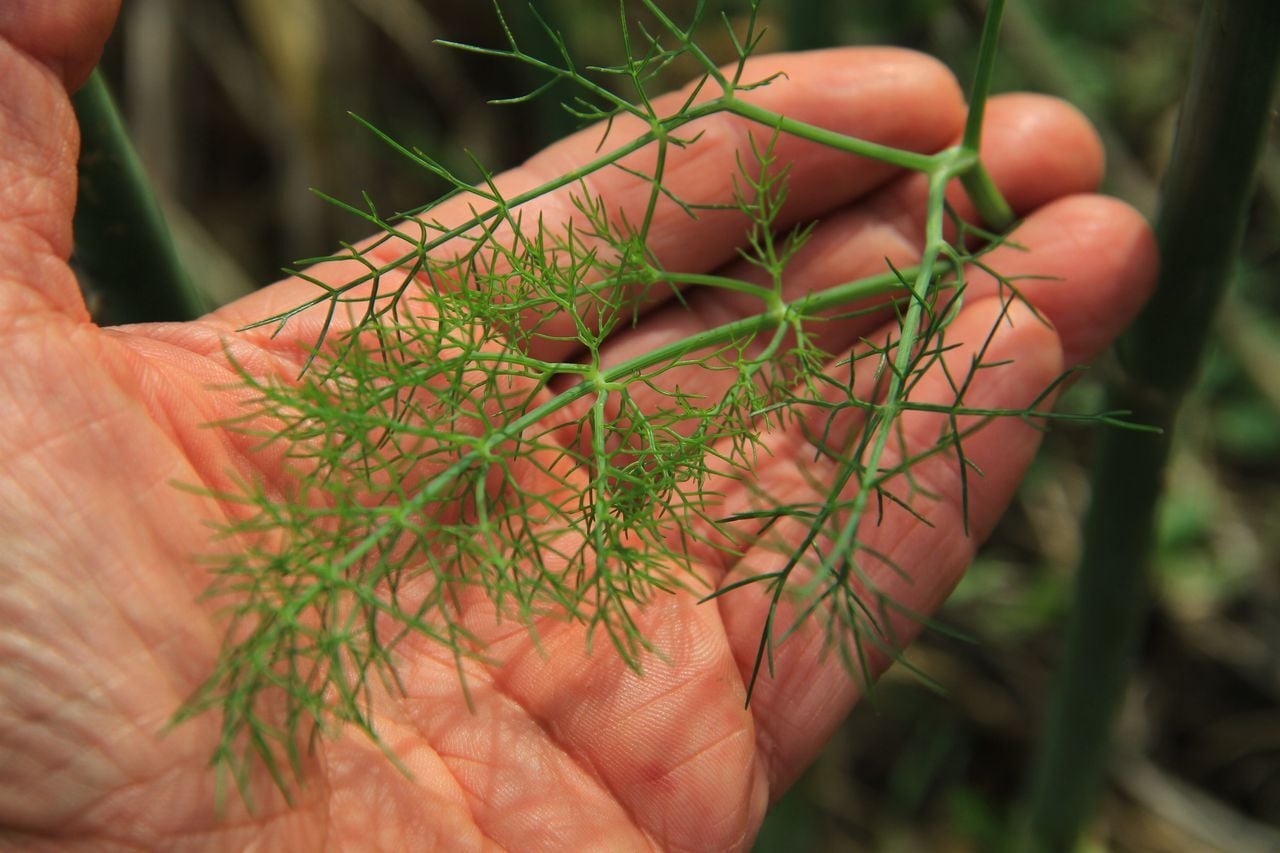
Dill
Anethum graveolens
Two herbs with very finely thread-cut foliage. Fennel has a swollen base and a pronounced aniseed smell; dill stays slender from top to bottom with a smell closer to lemony parsley.
🌿 Other Apiaceae to discover
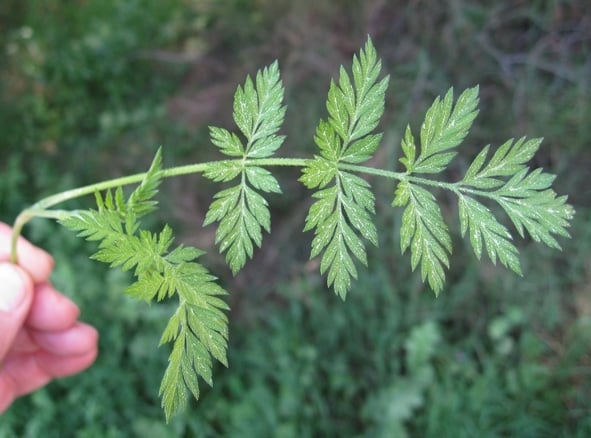

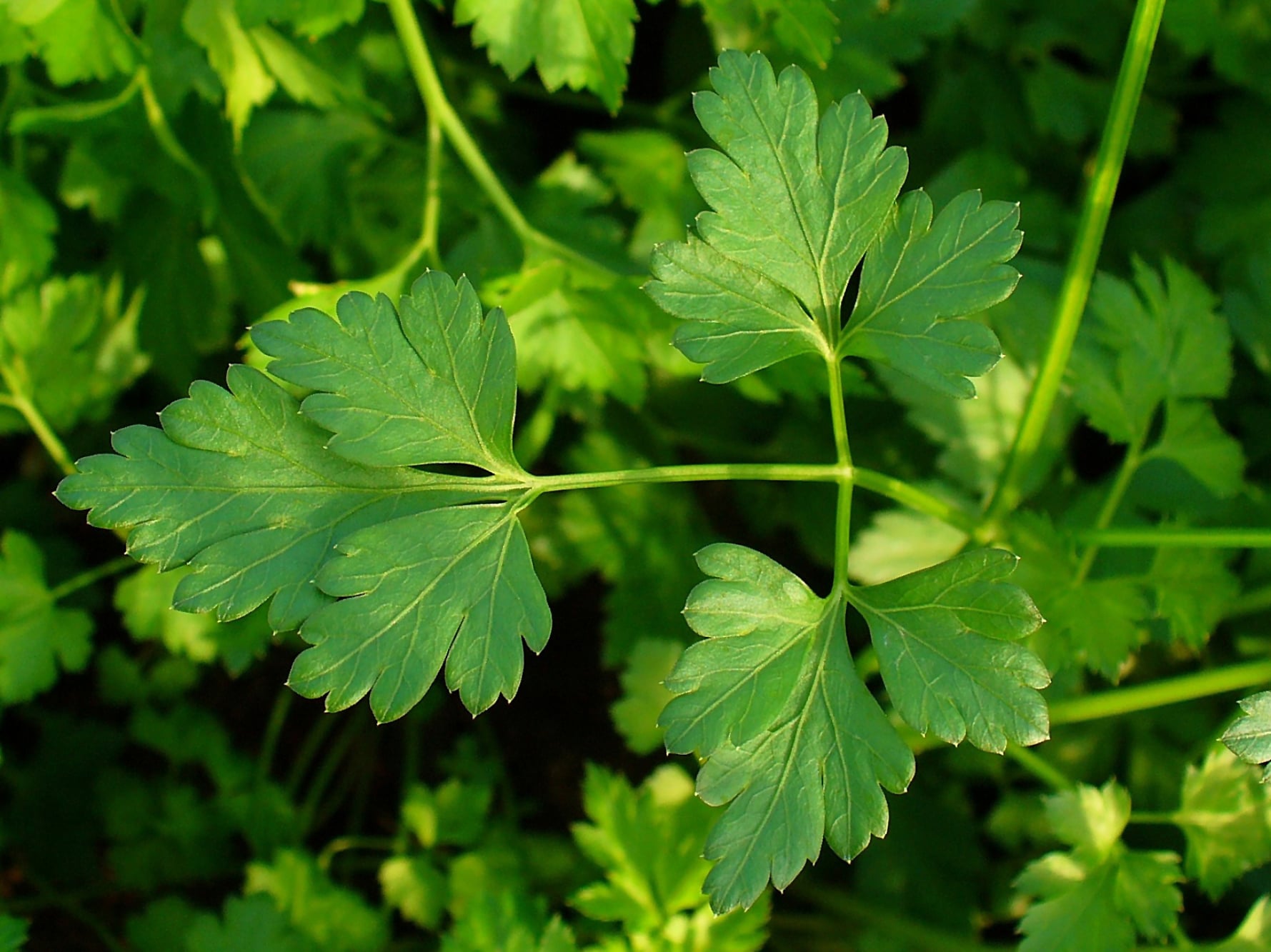
ℹ️ Educational profile — do not use it to judge whether a plant is edible or safe.
🌱 This database is constantly evolving — species and information are added and corrected regularly. Spotted a mistake? Report it below.
© Floraneo — profile content is protected; reproduction without permission is prohibited. Photos remain under their own licence (see the credit shown on each photo).