Dill or Fennel: how to tell them apart?
Dill and Fennel look alike and are often mixed up. Here is how to tell them apart, feature by feature, with their photos and the details to look for.
⚡ The quick answer
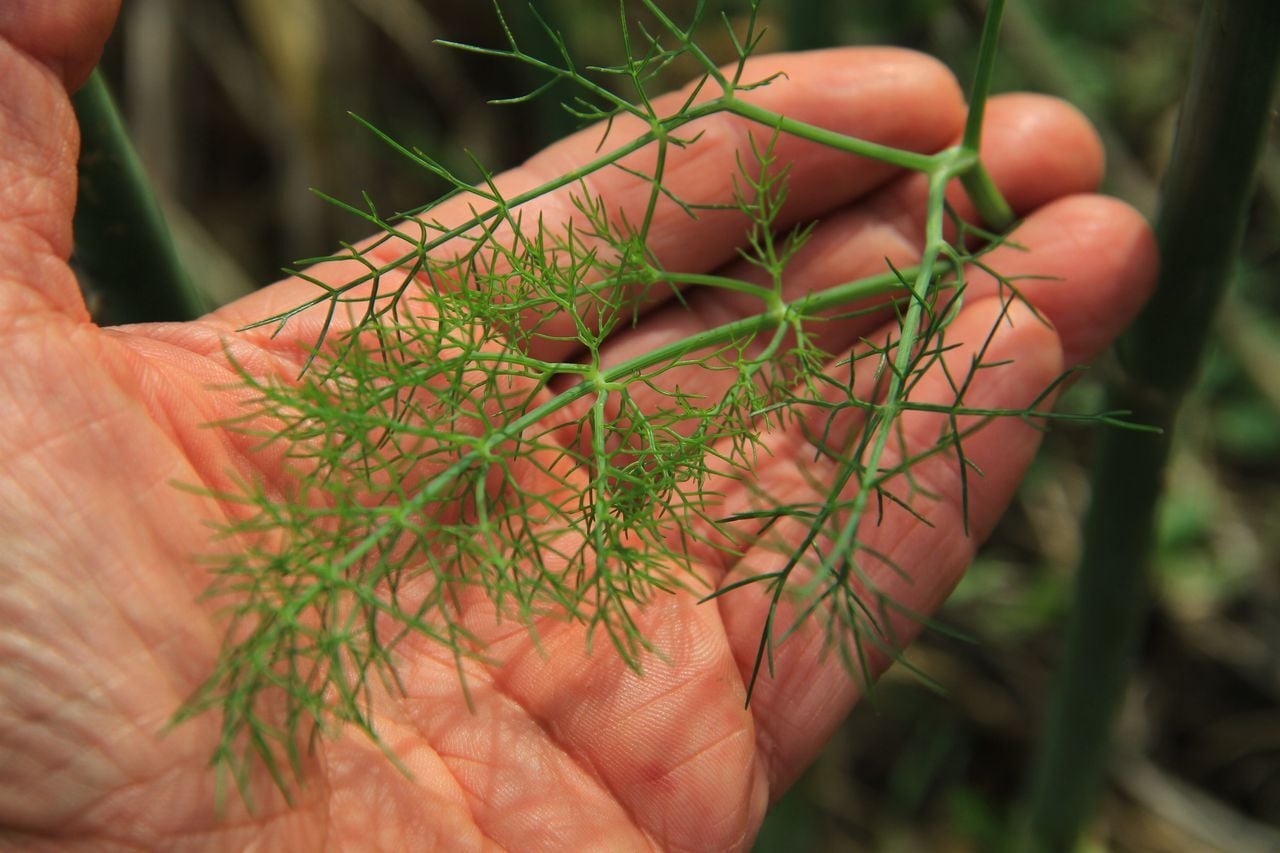
Dill
Anethum graveolens
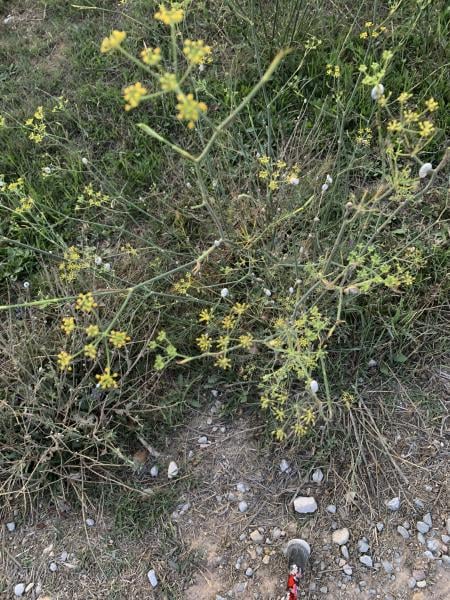
Fennel
Foeniculum vulgare
Dill has very fine, thread-like foliage, with a characteristic aromatic smell; rely first on the visual criterion of the foliage rather than on the smell alone.
🍃 Leaves
Leaves very finely cut into threads, glaucous, with a characteristic smell
Finely cut, thread-like, blue-green, giving off an aniseed smell when crushed
🌸 Flowers
Small yellow flowers in broad flat umbels
Small, yellow, grouped in large compound umbels
🍎 Fruits
Flat, oval, aromatic achenes
Elongated, ribbed achene, highly aromatic (fennel seed used in cooking)
🪵 Bark
Upright, slender, ridged herbaceous stem.
Erect, ribbed, glaucous herbaceous stem
📏 Size
40 cm to 1.2 m tall
1 to 2 m tall
🗺️ Habitat
Vegetable gardens, waste ground, track verges
Grown in the vegetable garden, also naturalised on banks and trackside verges in Mediterranean climates
⚠️ Toxicity
Non-toxic; common aromatic and culinary herb.
No known toxicity — bulb, leaves and seeds edible
🔎 And from the Fennel side
Two herbs with very finely thread-cut foliage. Fennel has a swollen base and a pronounced aniseed smell; dill stays slender from top to bottom with a smell closer to lemony parsley.
🌿 Go further
Want to practise spotting these details on real photos? Floraneo offers profiles and quizzes for dozens of look-alike species.
ℹ️ Educational profile — do not use it to judge whether a plant is edible or safe.