Dog rose
❓ How do you recognise this plant?
⚠️ Possible toxicity
⚠️ Look-alike species
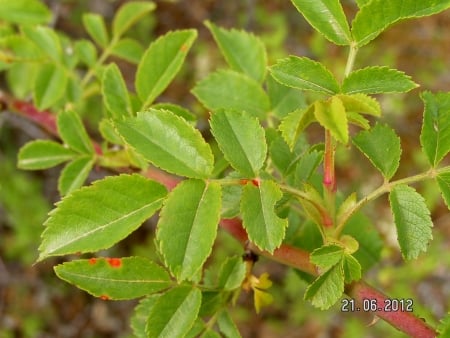
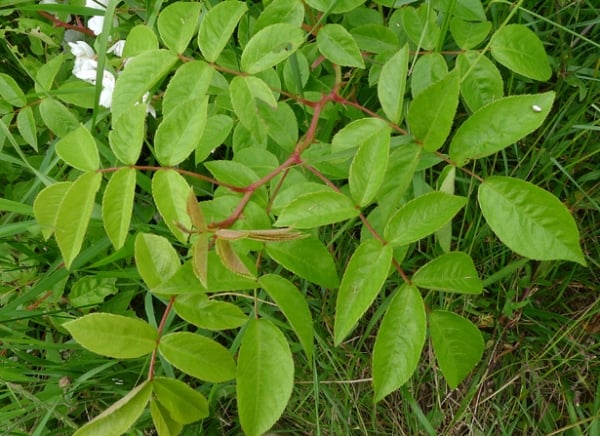
The field rose has styles fused into a protruding column in the centre of the flower and a climbing or trailing habit, whereas the dog rose has free, hairy styles and an upright, bushy habit.
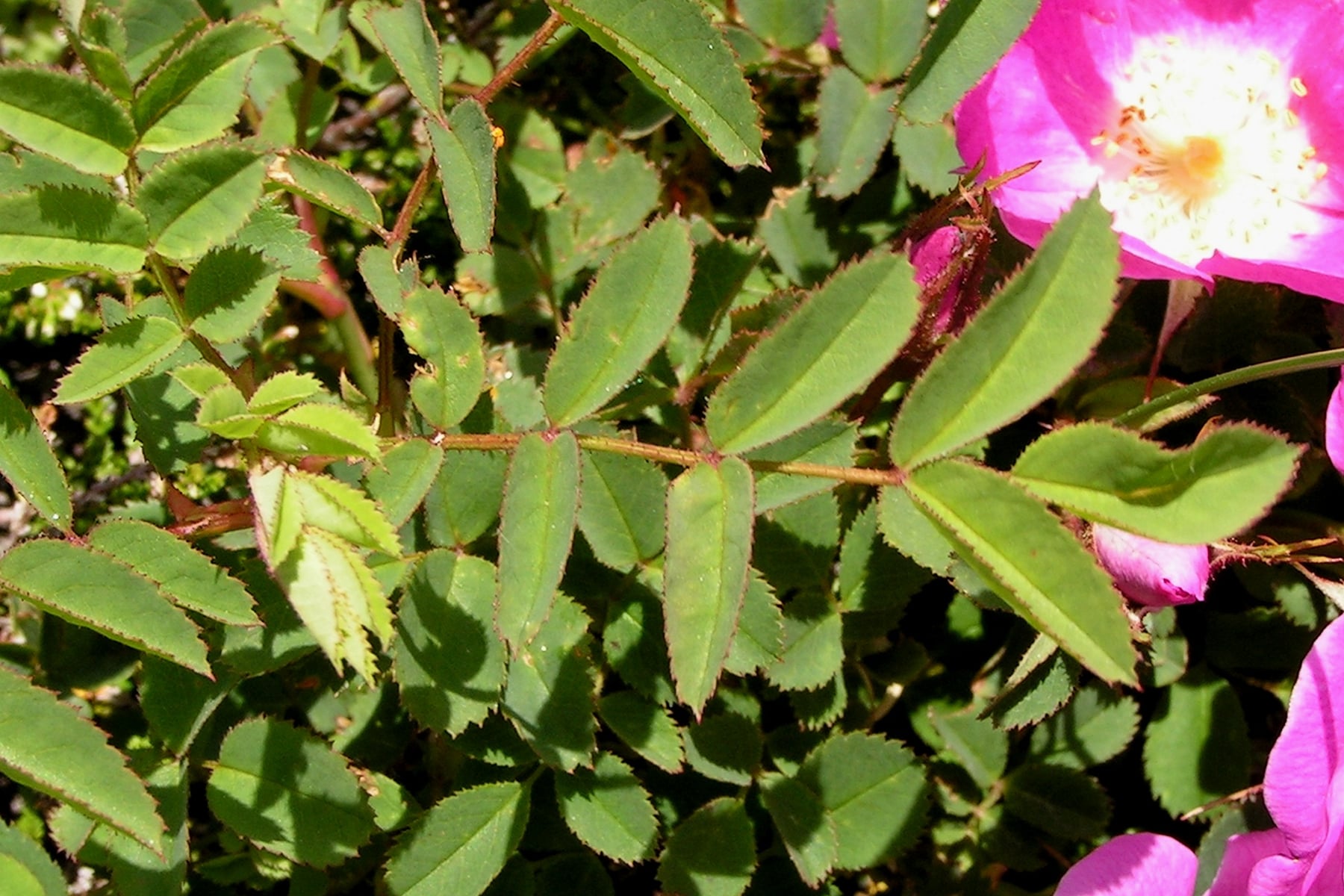
The two look very similar and hybridise readily in the wild. The best clue remains the smell: when crushed, the sweet briar leaf gives off a distinct apple scent, absent in the dog rose, whose leaves are odourless.
🌿 Other Rosaceae to discover
ℹ️ Educational profile — do not use it to judge whether a plant is edible or safe.
🌱 This database is constantly evolving — species and information are added and corrected regularly. Spotted a mistake? Report it below.
© Floraneo — profile content is protected; reproduction without permission is prohibited. Photos remain under their own licence (see the credit shown on each photo).