Leaf
Jean-François Molino, Tela Botanica · CC BY-SA 2.0
Telling sages apart ›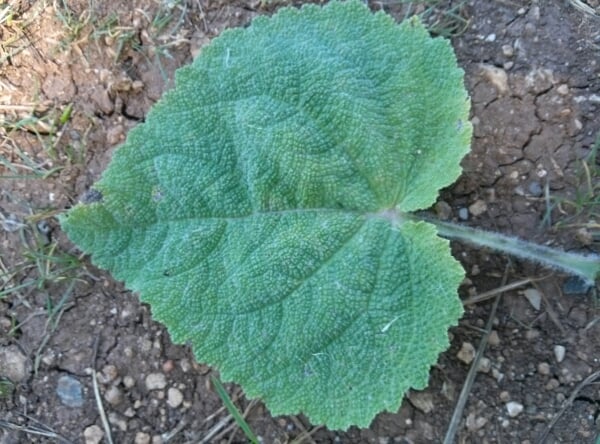

 +6
- 60 cm to 1 m tall
- Dry, chalky slopes, garrigue, aromatic plant gardens
- Full sun
- -20°C
In flower from June to August
3 months❓ How do you recognise this plant?
Its essential oil, extracted from its flowers, is an essential base of fine perfumery under the name 'clary sage'.
Learn to recognise it
Foxgloves and field flowers. This plant is in the lesson “Foxgloves and field flowers”, with 10 others.
🍃 Leaves
Large ovate leaves, crinkled, hairy, very aromatic
🌸 Flowers
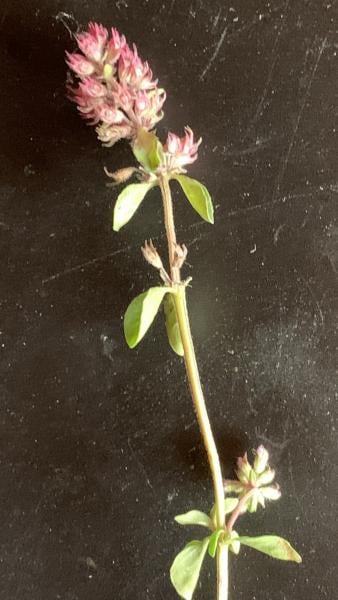
Large two-lipped flowers, mauve-white to pinkish, surrounded by large pink bracts, grouped in spikes
🍎 Fruits
Four small smooth achenes at the base of the persistent calyx
🌿 Stem and habit
Erect square stem, hairy, much branched in its upper part
Distribution, pollinators, uses
🗺️ Distribution
Mediterranean region and western Asia; found in the south of France, also grown further north in gardens.
🐝 Value for pollinators
Very nectar-rich spikes, particularly attractive to bees and bumblebees throughout the summer flowering period.
✂️ Horticultural uses
Dry and Mediterranean gardens, aromatic borders; large pink bracts very decorative, also used in perfumery.
⚠️ Possible toxicity
Non-toxic; aromatic and medicinal plant used in perfumery and in infusions.
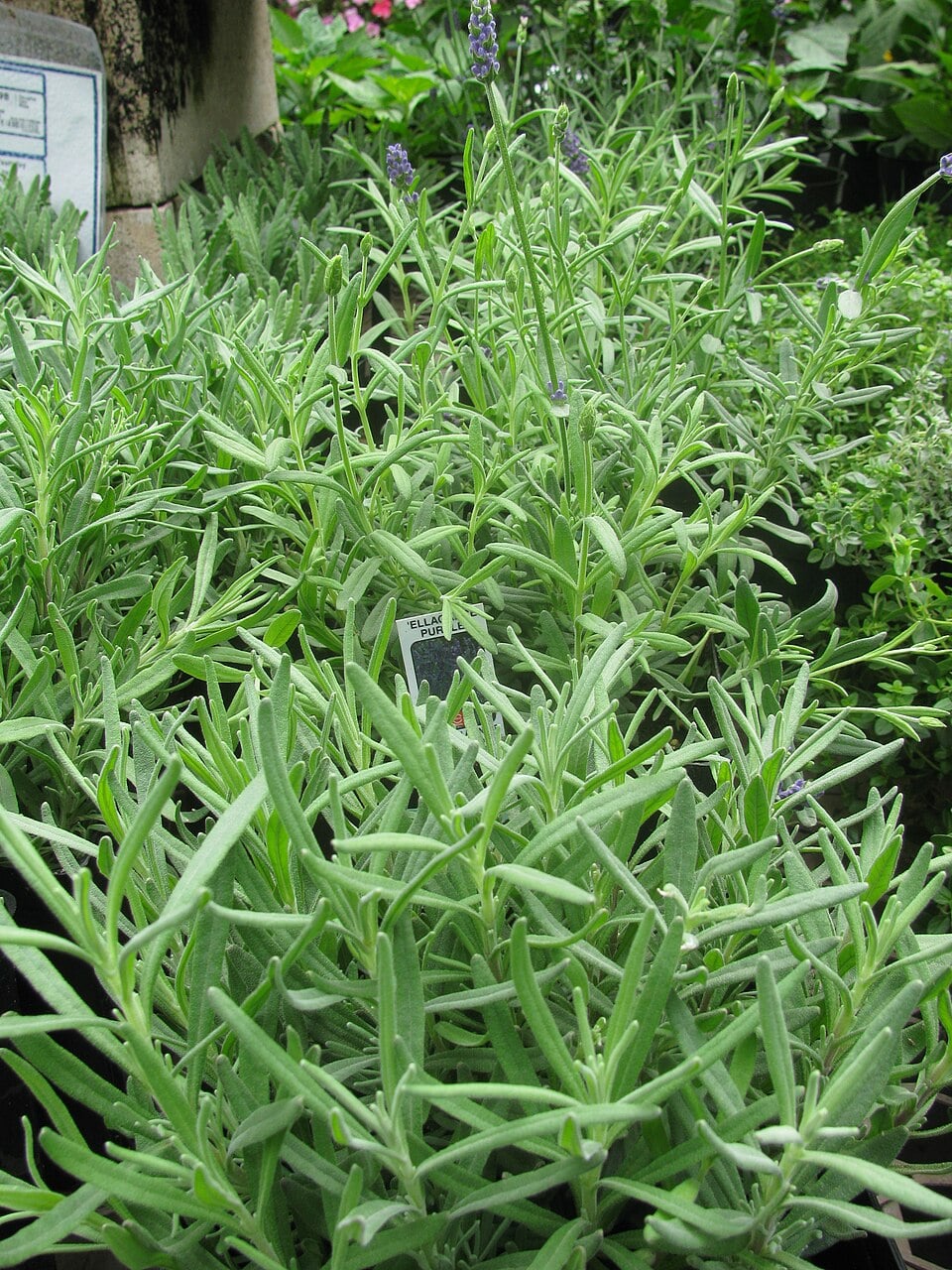
🌿 Other Lamiaceae to discover
ℹ️ Educational profile — do not use it to judge whether a plant is edible or safe.
🌱 This database is constantly evolving — species and information are added and corrected regularly. Spotted a mistake? Report it below.
© Floraneo — profile content is protected; reproduction without permission is prohibited. Photos remain under their own licence (see the credit shown on each photo).