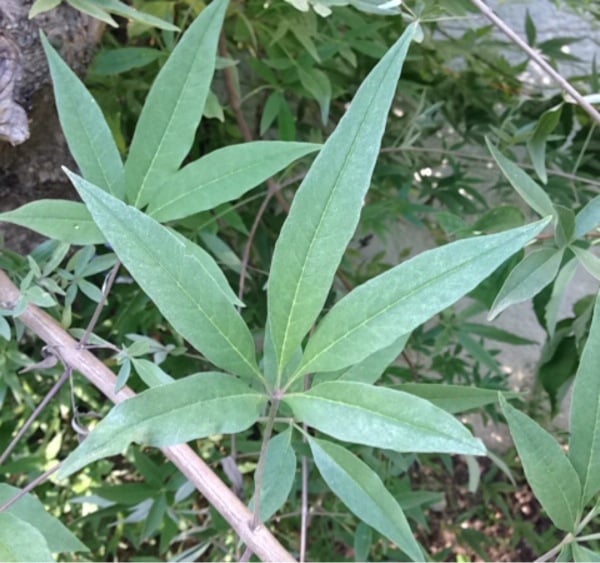
Leaf
Jean-Claude Echardour, Tela Botanica · CC BY-SA 2.0
Chinese artichoke
Stachys affinis Bunge
Scientific synonyms: Stachys sieboldii
Also known as: Japanese artichoke, Crosnes
Family: Lamiaceae
- 30 to 60 cm tall
- Grown in vegetable gardens, loose, rich soils
- Flowering: Rarely observed in the French climate, late, at the end of summer
- Full sun, Part shade
- Fairly hardy, the tuber withstands moderate frosts in the ground
❓ How do you recognise this plant?
In France this plant is known as "crosne", after the commune of Crosne near Paris, where its cultivation developed following its introduction in the late 19th century — a curious mix of Chinese origin and local French name.
Learn to recognise it
Rare and exotic vegetables. This plant is in the lesson “Rare and exotic vegetables”, with 8 others.
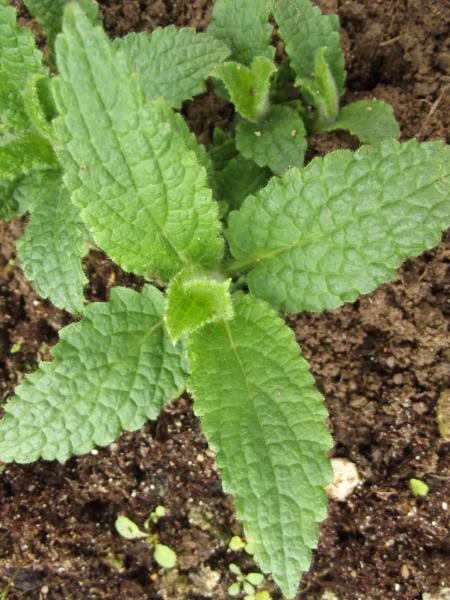


🍃 Leaves
Ovate, puckered, hairy, opposite, typical of the Lamiaceae
🌸 Flowers
Small, pink to mauve, grouped in spikes, appearing late and rarely
🍎 Fruits
Small achene, rarely formed
🌿 Stem and habit
Square, hairy herbaceous stem; small white knobby tuber in a string underground (the part eaten)
Distribution, pollinators, uses
🗺️ Distribution
Native to China; grown in France since the late 19th century, notably around Lyon
🐝 Value for pollinators
Few flowers seen in the French climate, limited interest for pollinators
✂️ Horticultural uses
Old, forgotten root vegetable, grown for its small string-like tuber with a crunchy texture
⚠️ Possible toxicity
Tuber edible; no known toxicity
🌿 Other Lamiaceae to discover
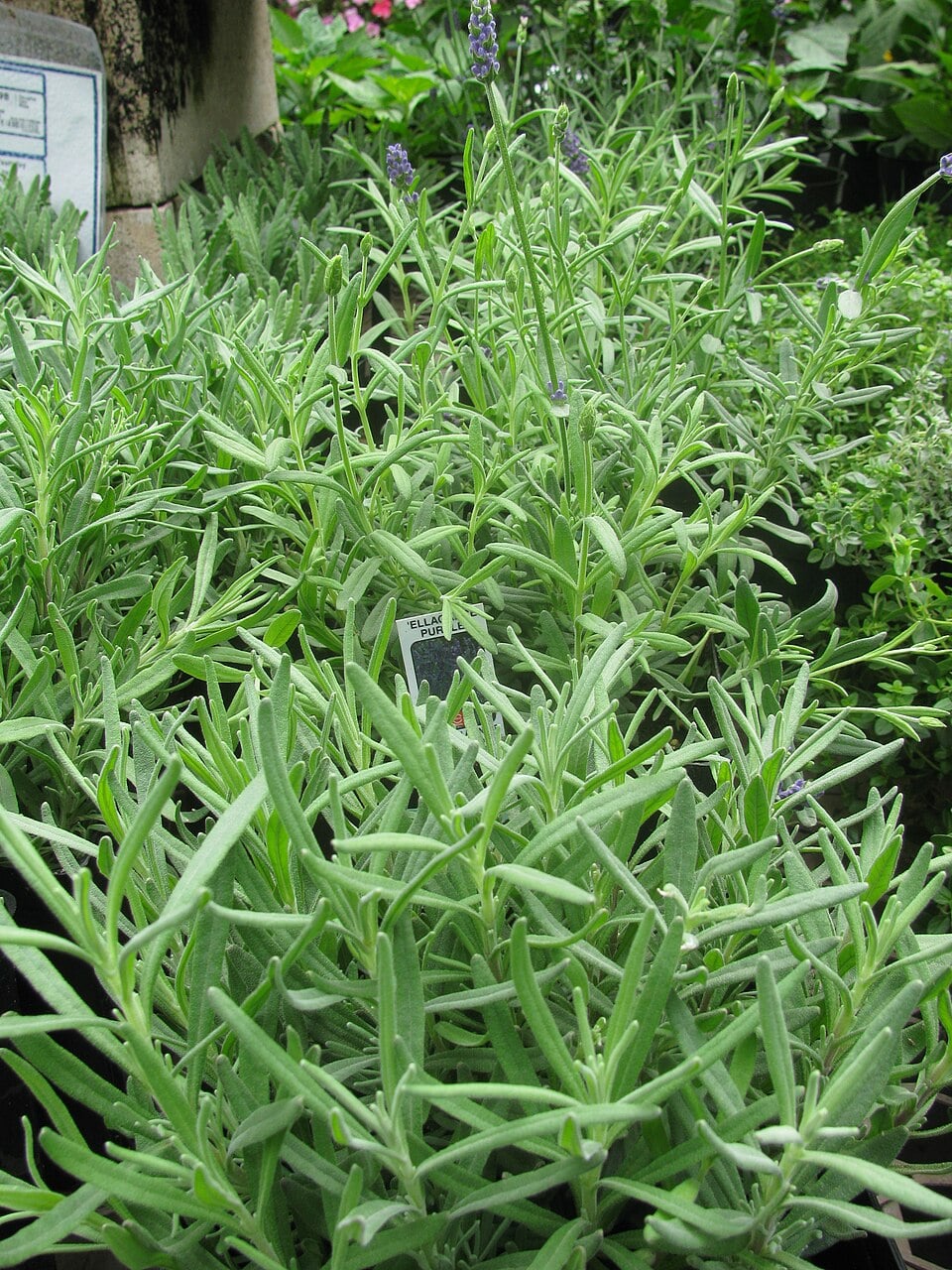
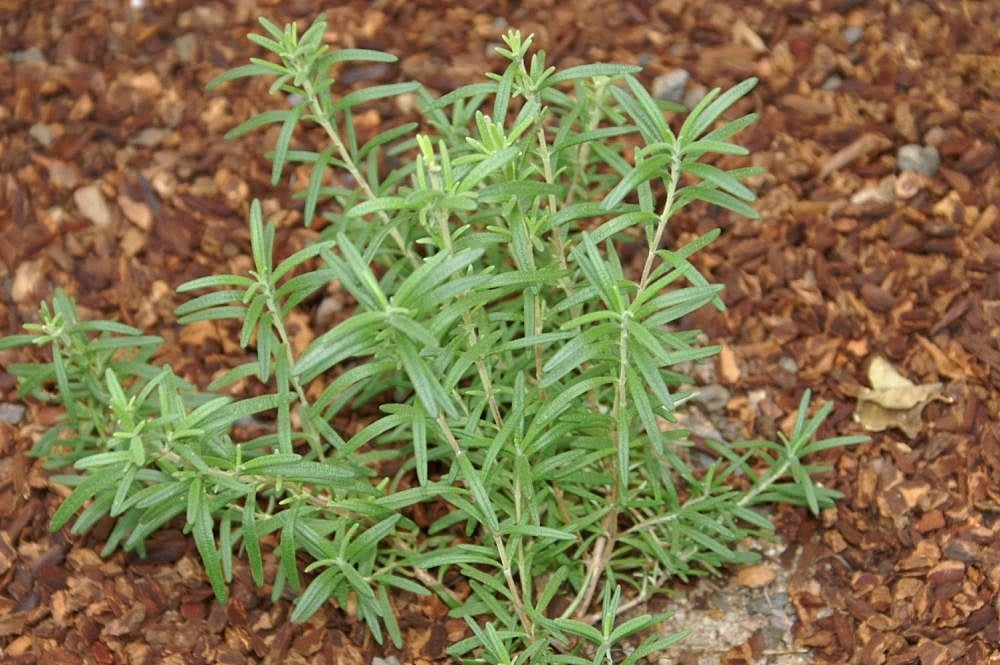
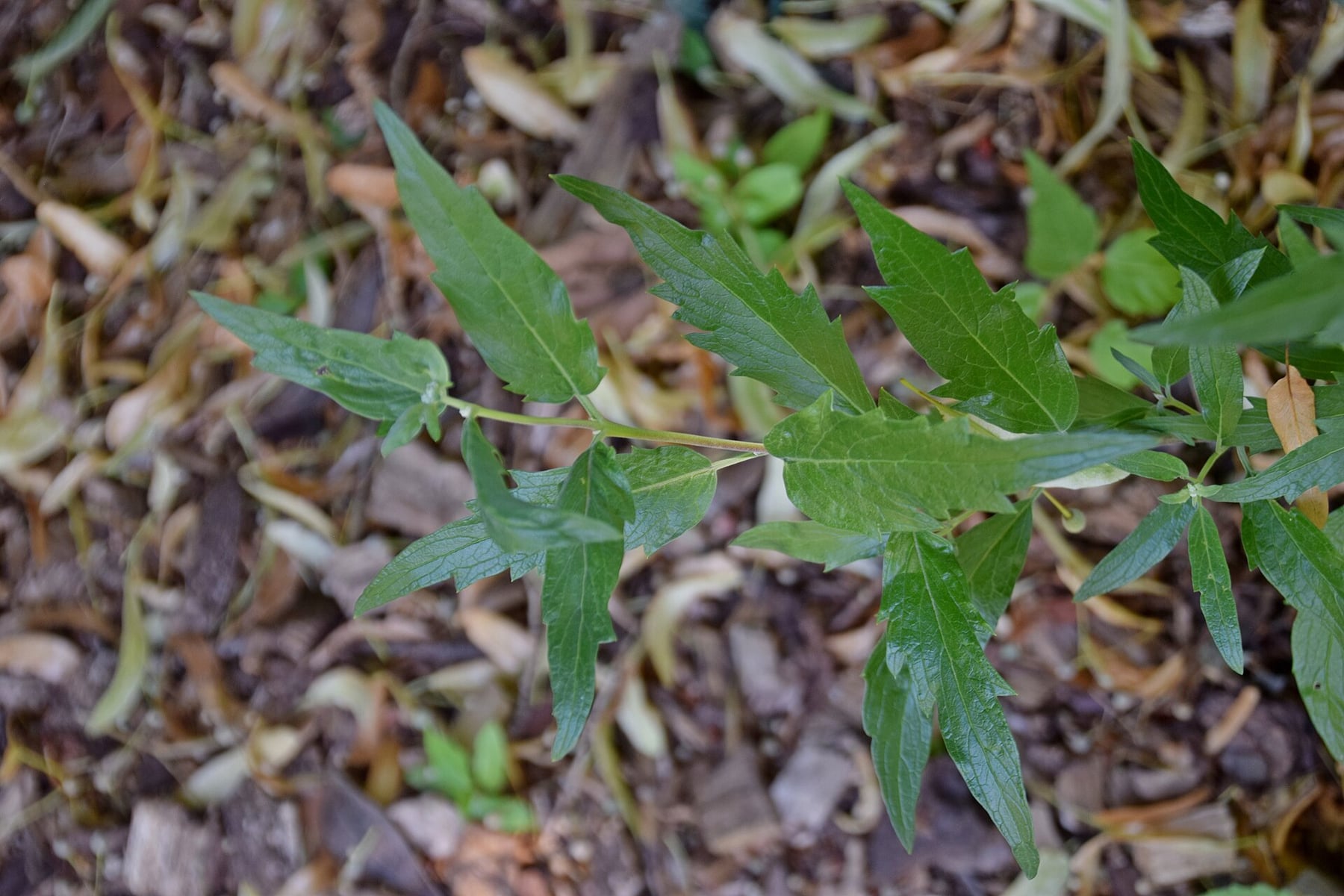
ℹ️ Educational profile — do not use it to judge whether a plant is edible or safe.
🌱 This database is constantly evolving — species and information are added and corrected regularly. Spotted a mistake? Report it below.
© Floraneo — profile content is protected; reproduction without permission is prohibited. Photos remain under their own licence (see the credit shown on each photo).