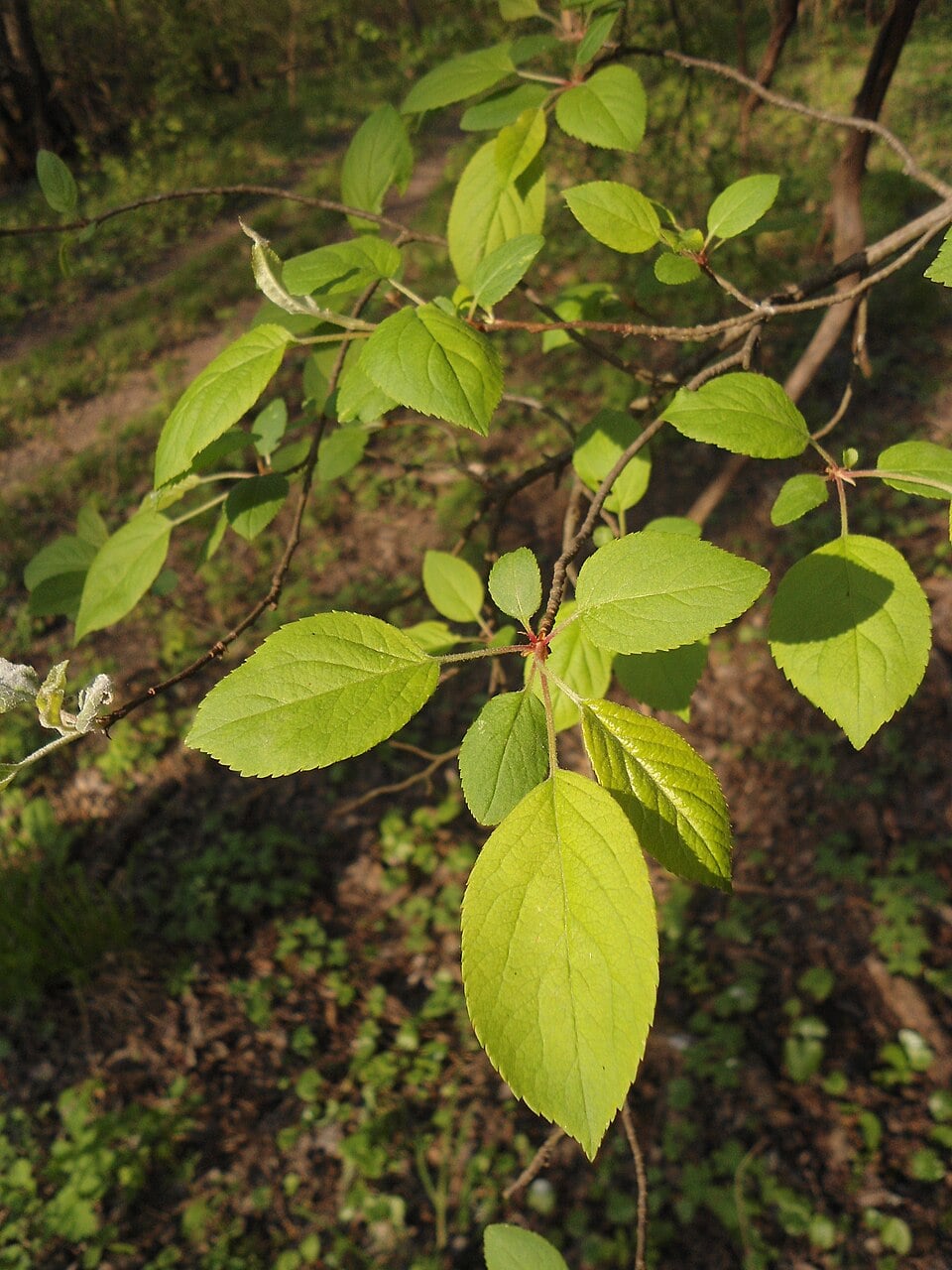
Leaf
Pierre Bonnet, Tela Botanica · CC BY-SA 2.0
Cherry plum
Prunus cerasifera Ehrh.
Also known as: Myrobalan, Myrobalan plum
Family: Rosaceae
6 to 10 m tall
Hedgerows, widely planted and naturalised
Flowering: February – March, very early
Part shade
Full sun
-25°C
❓ How do you recognise this plant?
One of the very first trees to flower at the end of winter, sometimes from February. The blackthorn is thorny and its fruits are small, blue-black and very sour, whereas the cherry plum has no thorns and its fruits, yellow to red, are larger and sweeter.
🍃 Leaves
Ovate, finely toothed, sometimes purple in ornamental varieties
🌸 Flowers
White, solitary, opening very early at the end of winter
🍎 Fruits
Small round yellow or red plums, sweet
🪵 Bark
Greyish-brown, smooth, without thorns unlike the blackthorn
🗺️ Distribution
Native to south-western Asia and the Balkans; widely naturalised and planted in France, especially in hedgerows
🐝 Value for pollinators
Very early white flowering, an important source of nectar for bees at the very start of spring
✂️ Horticultural uses
Widely used in clipped country hedges, purple varieties (Prunus cerasifera 'Nigra') planted as ornamental specimens
⚠️ Possible toxicity
Leaves, bark and stones contain cyanogenic glycosides, toxic in large quantities; fruit flesh harmless
🌱 Known cultivars
'Nigra'
'Nigra' is distinguished by almost black-purple foliage all season and pink flowers in spring, contrasting strongly with the green foliage and white flowers of the wild species. It is one of the most widely planted purple-leaved selections, and has been given the RHS Award of Garden Merit.
⚠️ Look-alike species
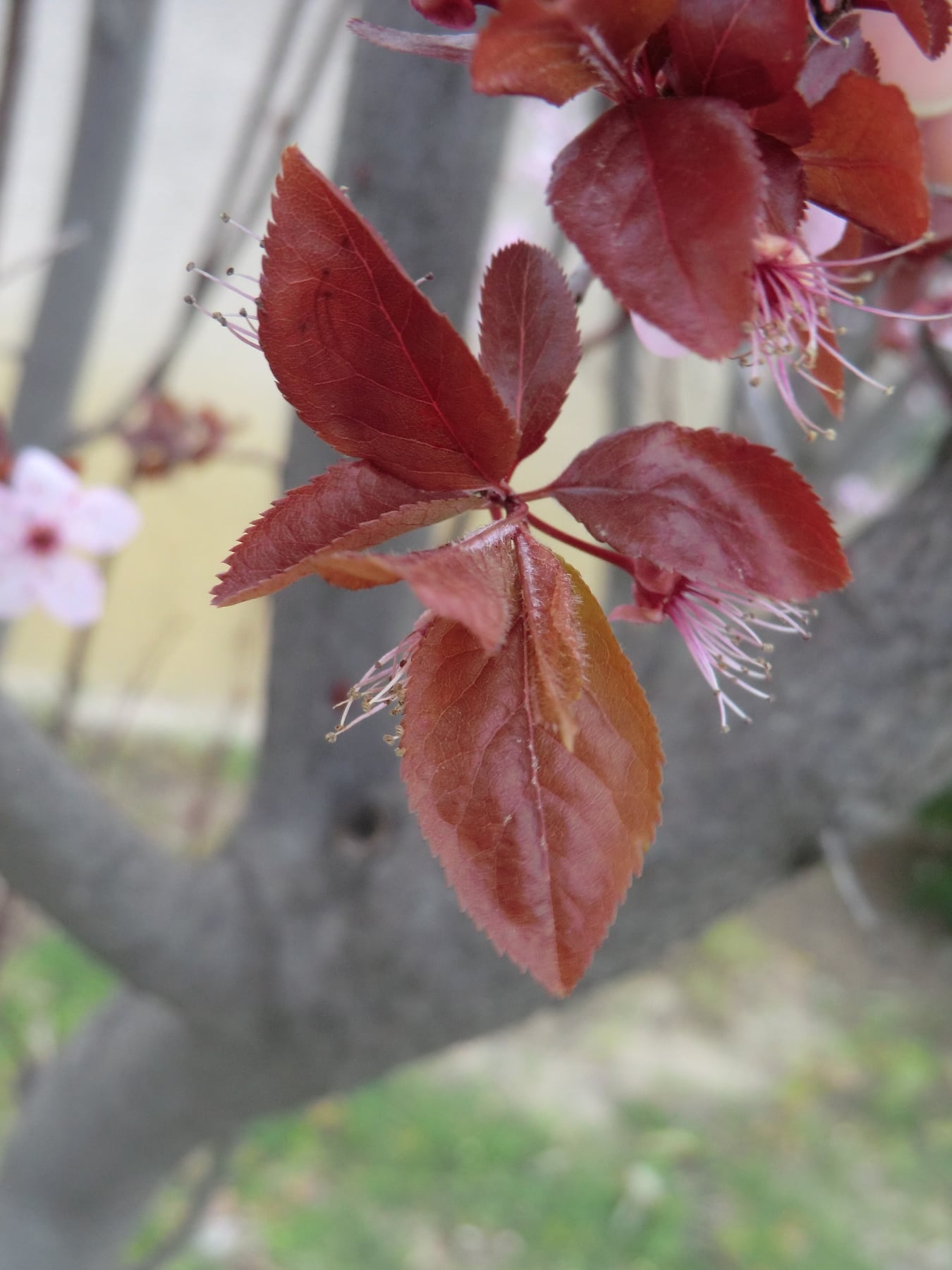
Cherry plum
Prunus cerasifera
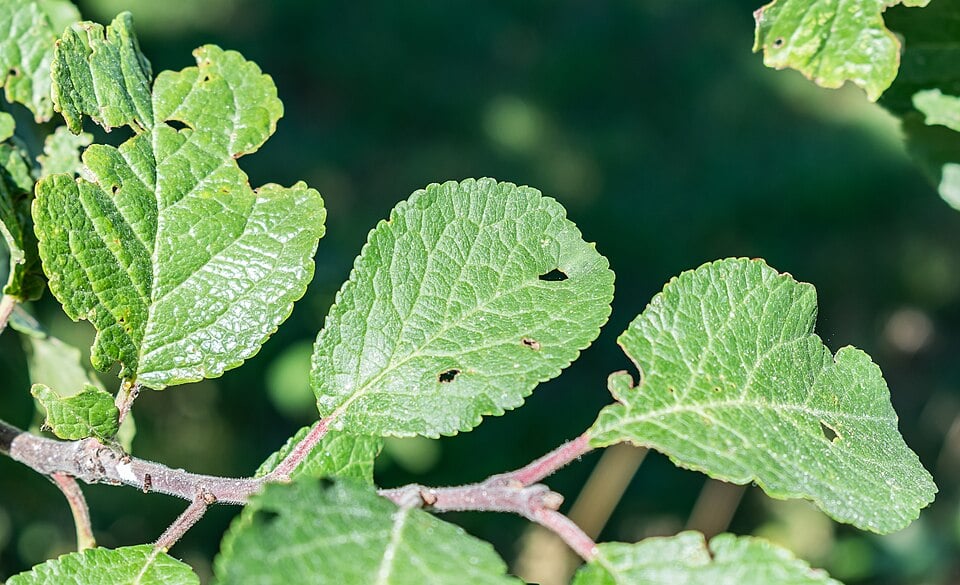
Blackthorn
Prunus spinosa
The blackthorn is thorny and its fruits are small, blue-black and very sour, whereas the cherry plum has no thorns and its fruits, yellow to red, are larger and sweeter.
🌿 Other Rosaceae to discover
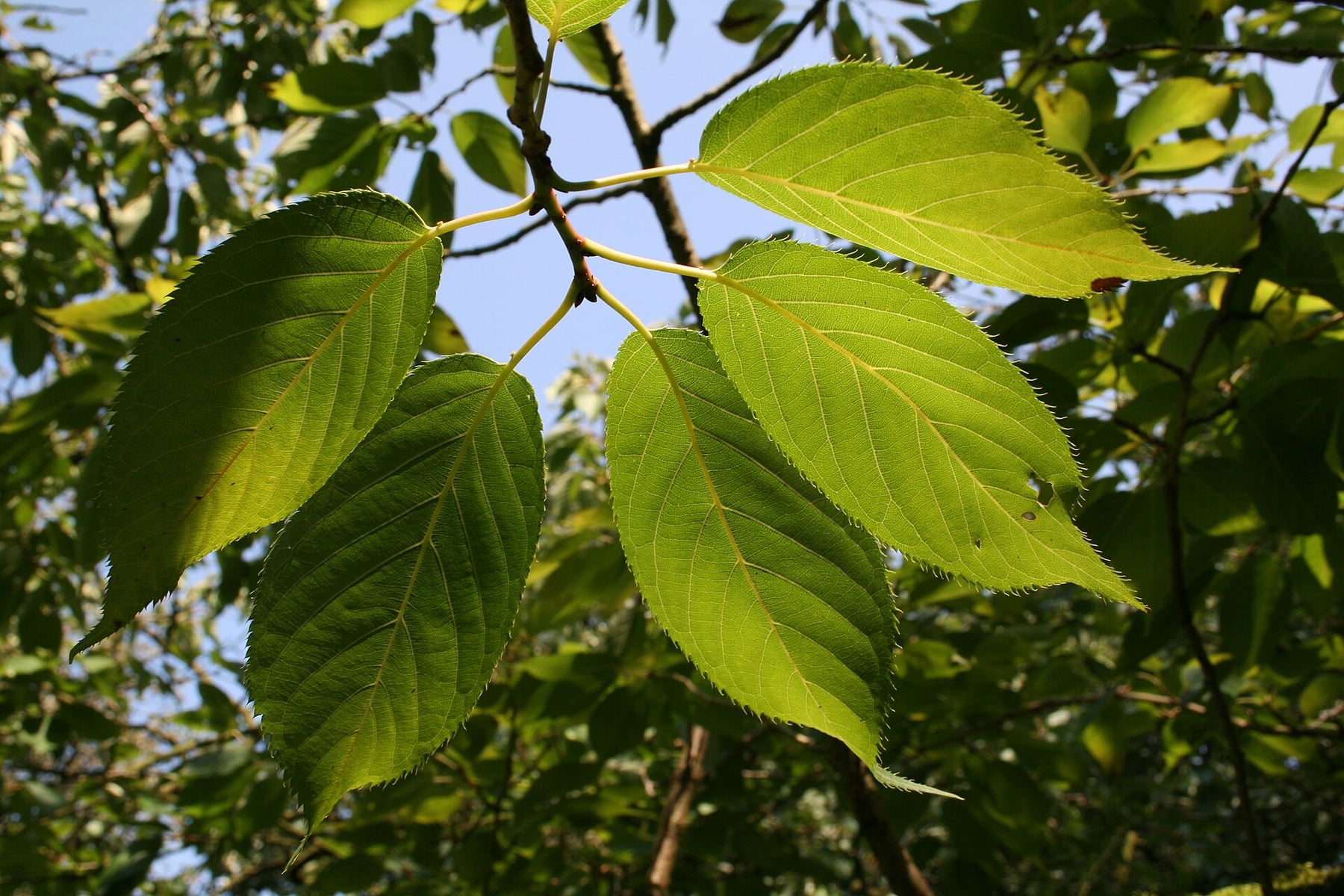
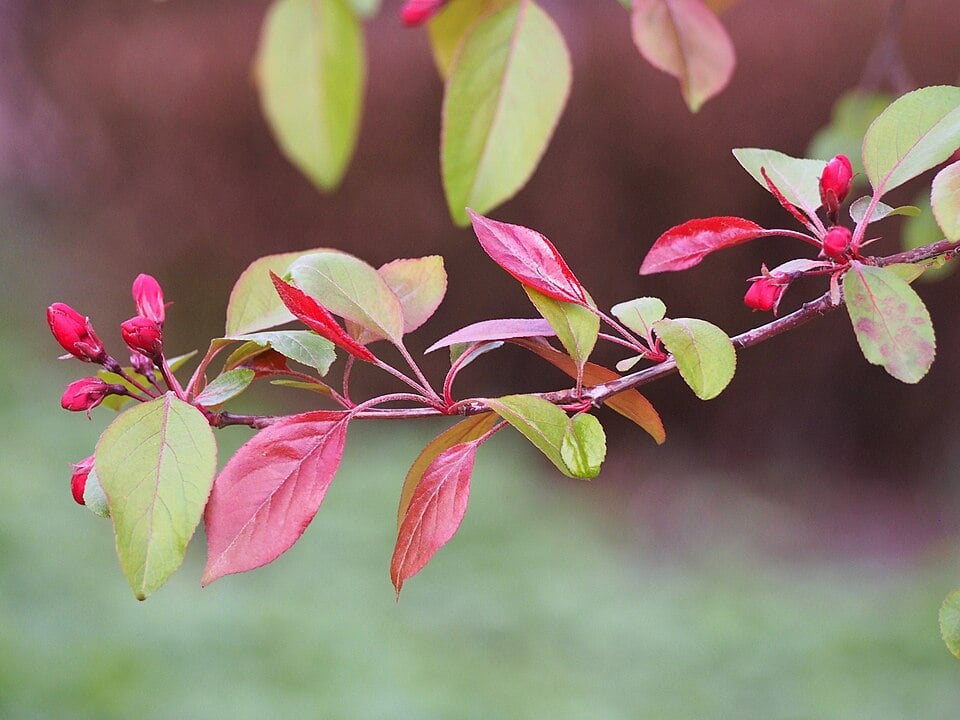
ℹ️ Educational profile — do not use it to judge whether a plant is edible or safe.
🌱 This database is constantly evolving — species and information are added and corrected regularly. Spotted a mistake? Report it below.
© Floraneo — profile content is protected; reproduction without permission is prohibited. Photos remain under their own licence (see the credit shown on each photo).