Habit
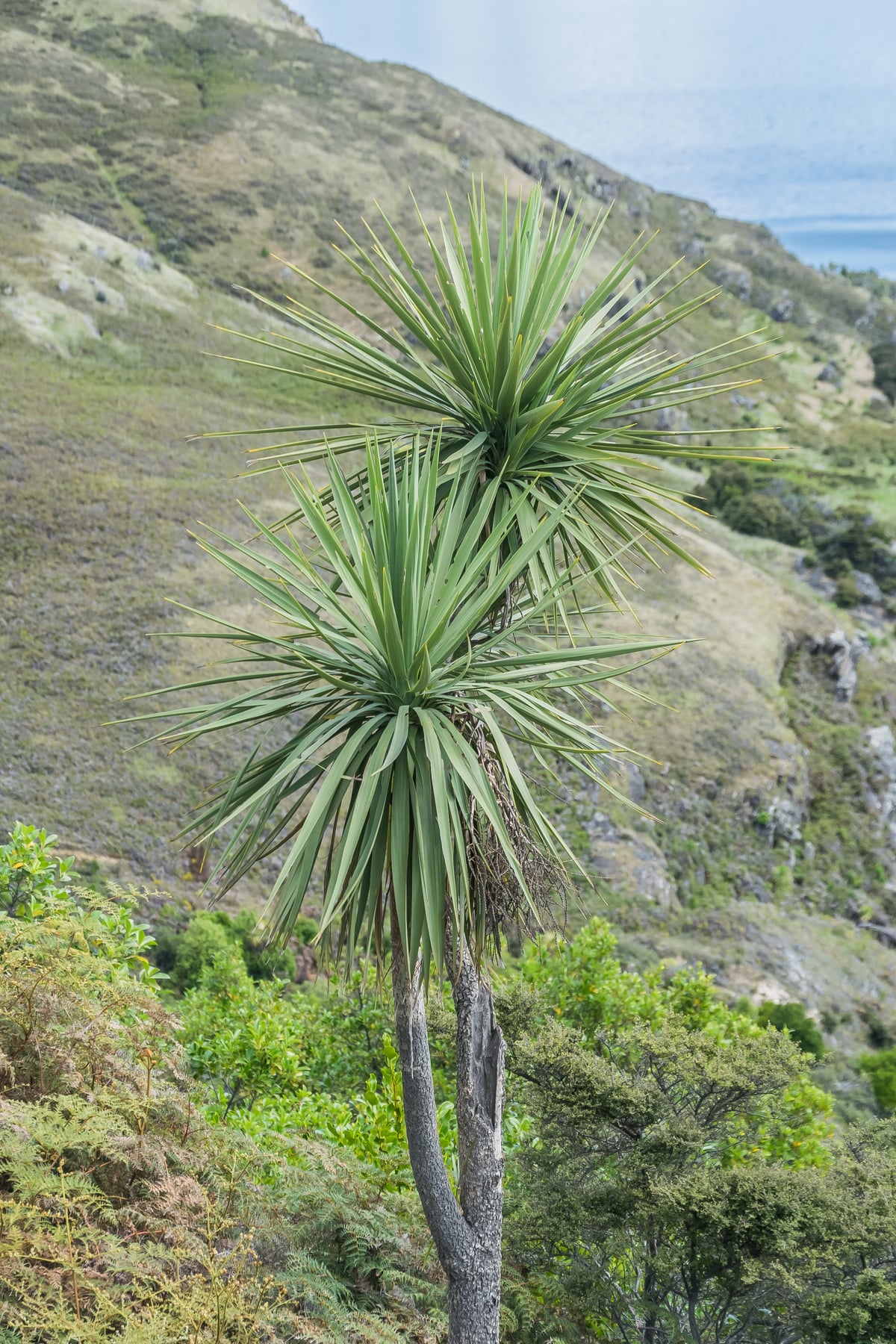
Krzysztof Golik · CC BY-SA 4.0
Cabbage tree
Cordyline australis (G.Forst.) Endl.
Also known as: Cordyline, New Zealand cabbage palm
Family: Asparagaceae
- 3 to 10 m tall in a mild climate, often 2 to 4 m in gardens
- Gardens, streets and roundabouts of the Atlantic and Mediterranean coasts, terrace pots
- Full sun, Part shade
- Hardy to about -8 to -10°C; often regrows from the base after a harder frost
In flower from June to July
2 months❓ How do you recognise this plant?
Despite its look of a small palm, the cabbage tree belongs to the asparagus family: its long sword-like leaves rise from the top of a thick, corky trunk that branches after each flowering.
🍃 Leaves
Evergreen, long (30 to 100 cm), narrow, stiff, sword-like, green to glaucous, in a dense tuft at the top of the stems
🌸 Flowers
Large panicles about 1 m long, at the top of the stem, of small fragrant white flowers
🍎 Fruits
Small whitish to bluish berries about 5 mm across, in clusters
🪵 Bark
Thick, corky, grey-brown trunk, furrowed and fissured, which branches after flowering
Distribution, pollinators, uses
🗺️ Distribution
Native to New Zealand (North Island and north of the South Island)
🐝 Value for pollinators
Fragrant flowers visited by bees and other insects
✂️ Horticultural uses
Architectural plant of coastal gardens and pots, which gives a palm-like look; young plants are sensitive to hard frosts
⚠️ Possible toxicity
Contains saponins, irritant to cats and dogs if eaten
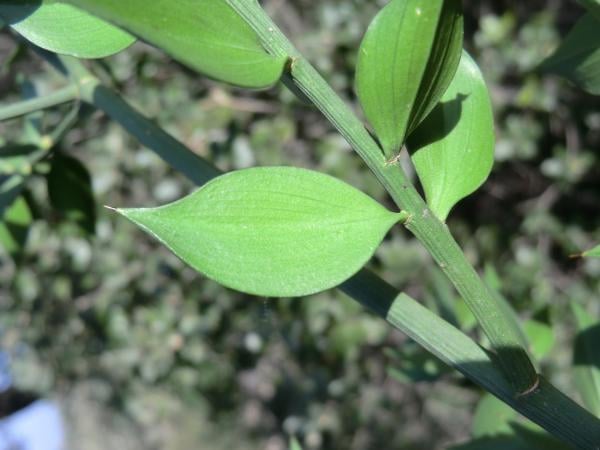
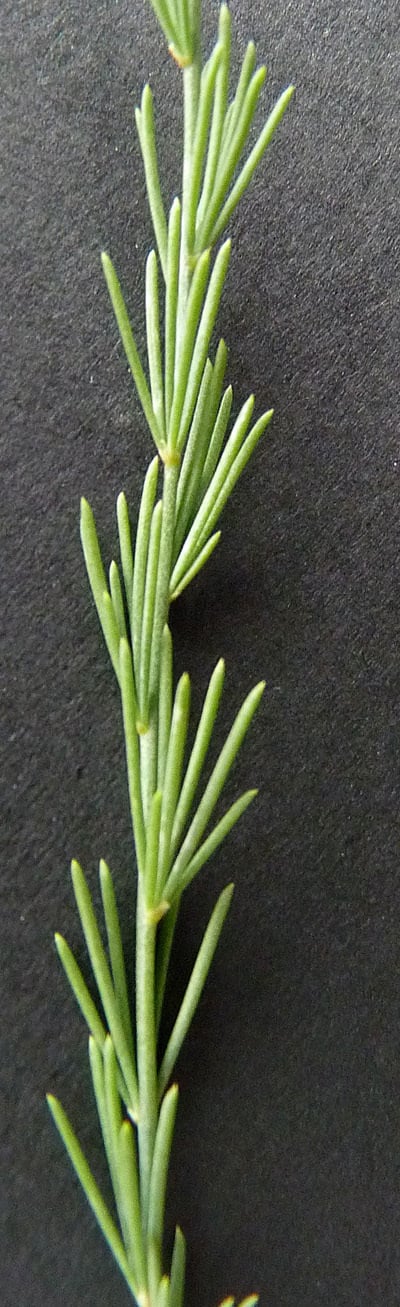
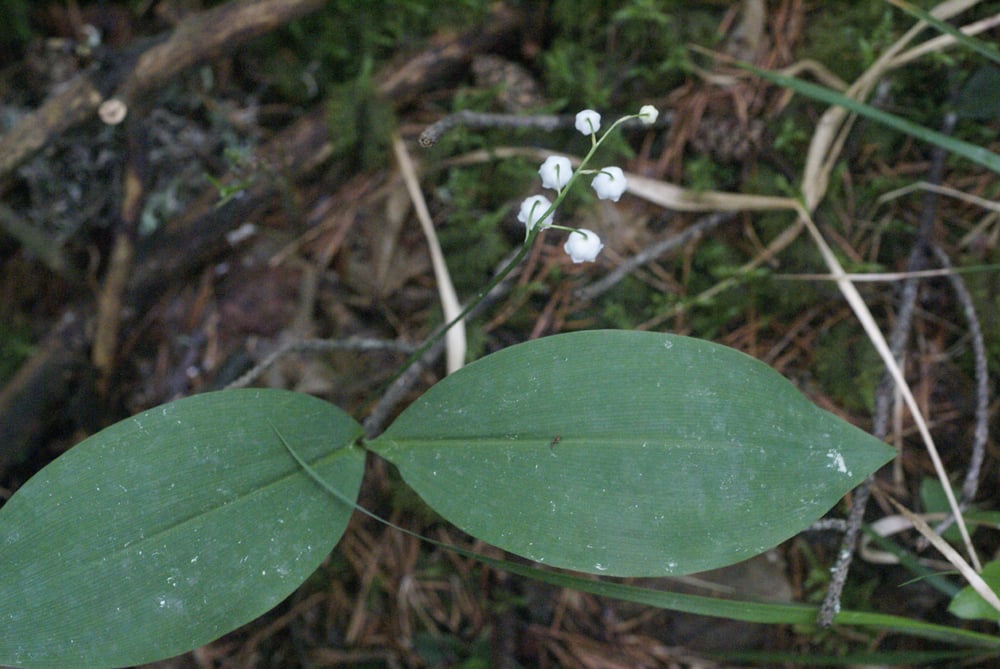
🌿 Other Asparagaceae to discover
ℹ️ Educational profile — do not use it to judge whether a plant is edible or safe.
🌱 This database is constantly evolving — species and information are added and corrected regularly. Spotted a mistake? Report it below.
© Floraneo — profile content is protected; reproduction without permission is prohibited. Photos remain under their own licence (see the credit shown on each photo).