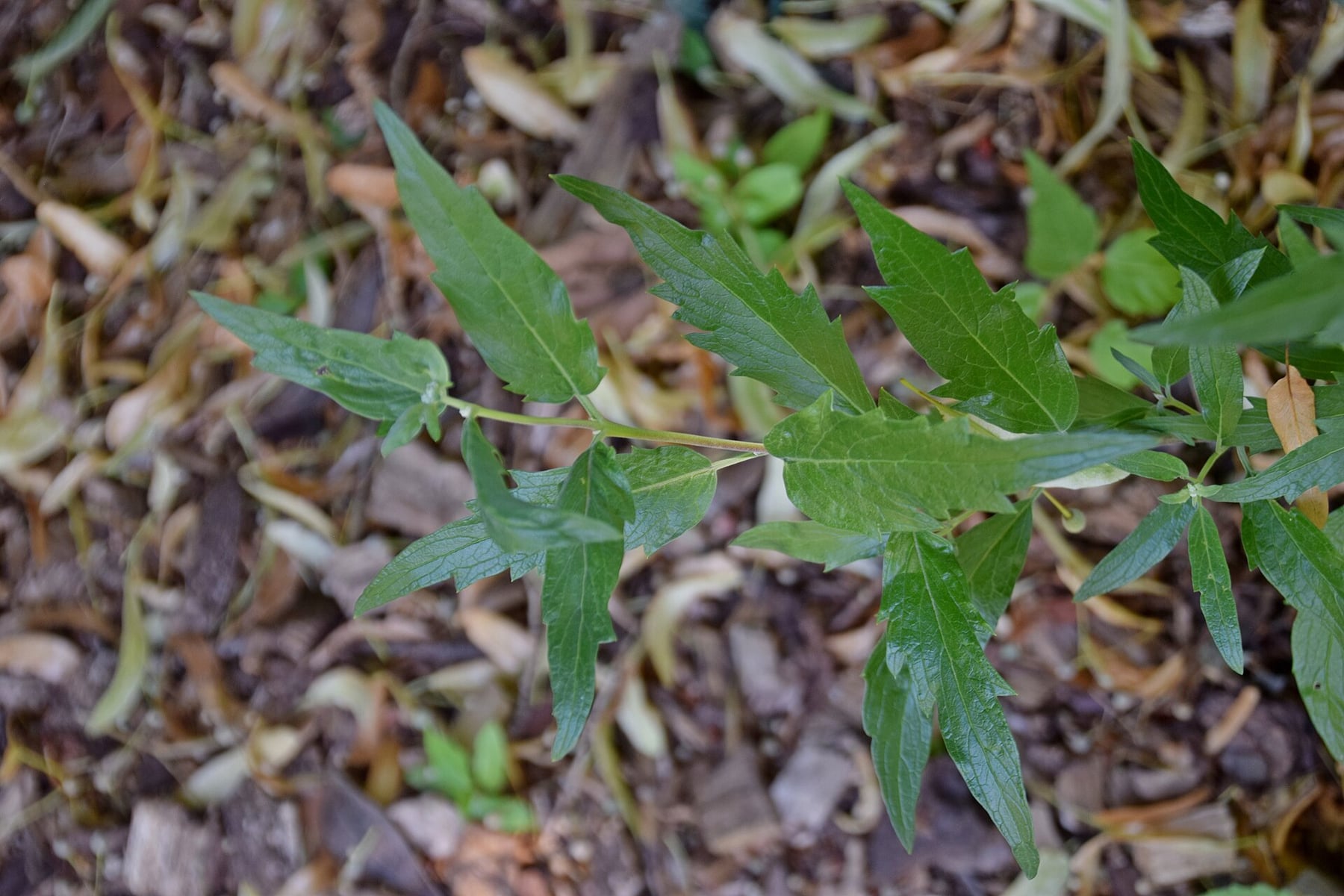
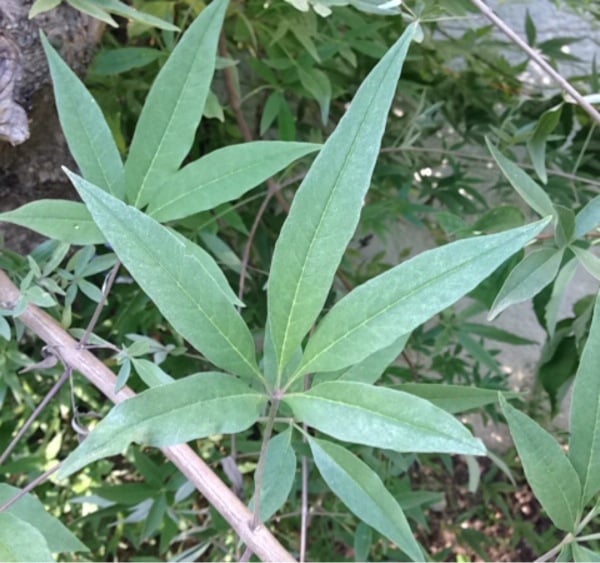
Leaf
Alex Abair, Wikimedia · CC BY-SA 4.0
- 70 to 120 cm tall
- Moist borders and beds, humus-rich soil, full sun to partial shade
- Full sun, Part shade
- Hardy to about -25°C
In flower from July to September
3 months❓ How do you recognise this plant?
Its scent recalls that of the bergamot used to flavour Earl Grey tea, hence its other name of "bergamot", although it has no botanical connection with the citrus fruit of the same name.
Learn to recognise it
Summer border perennials. This plant is in the lesson “Summer border perennials”, with 8 others.
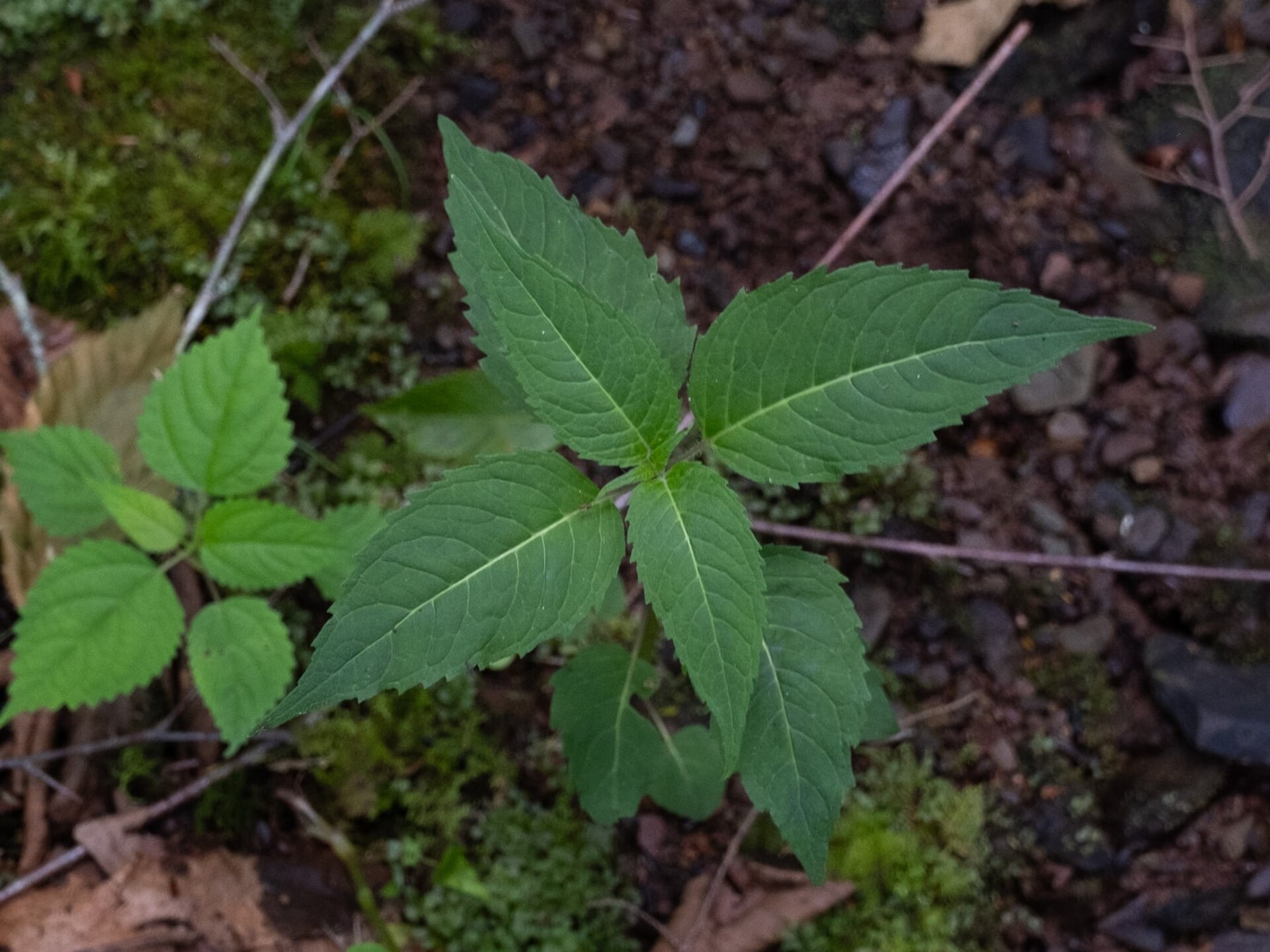
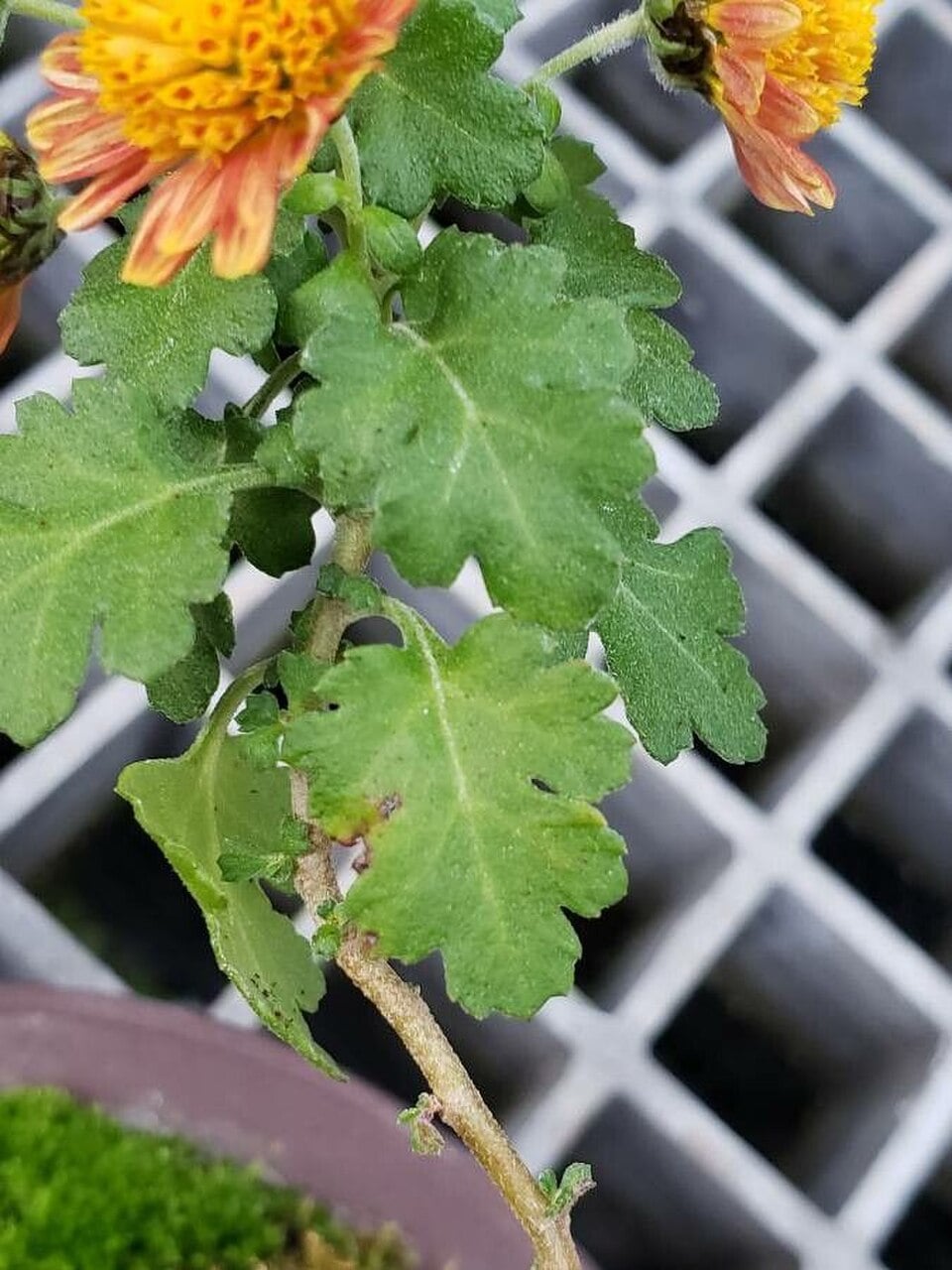
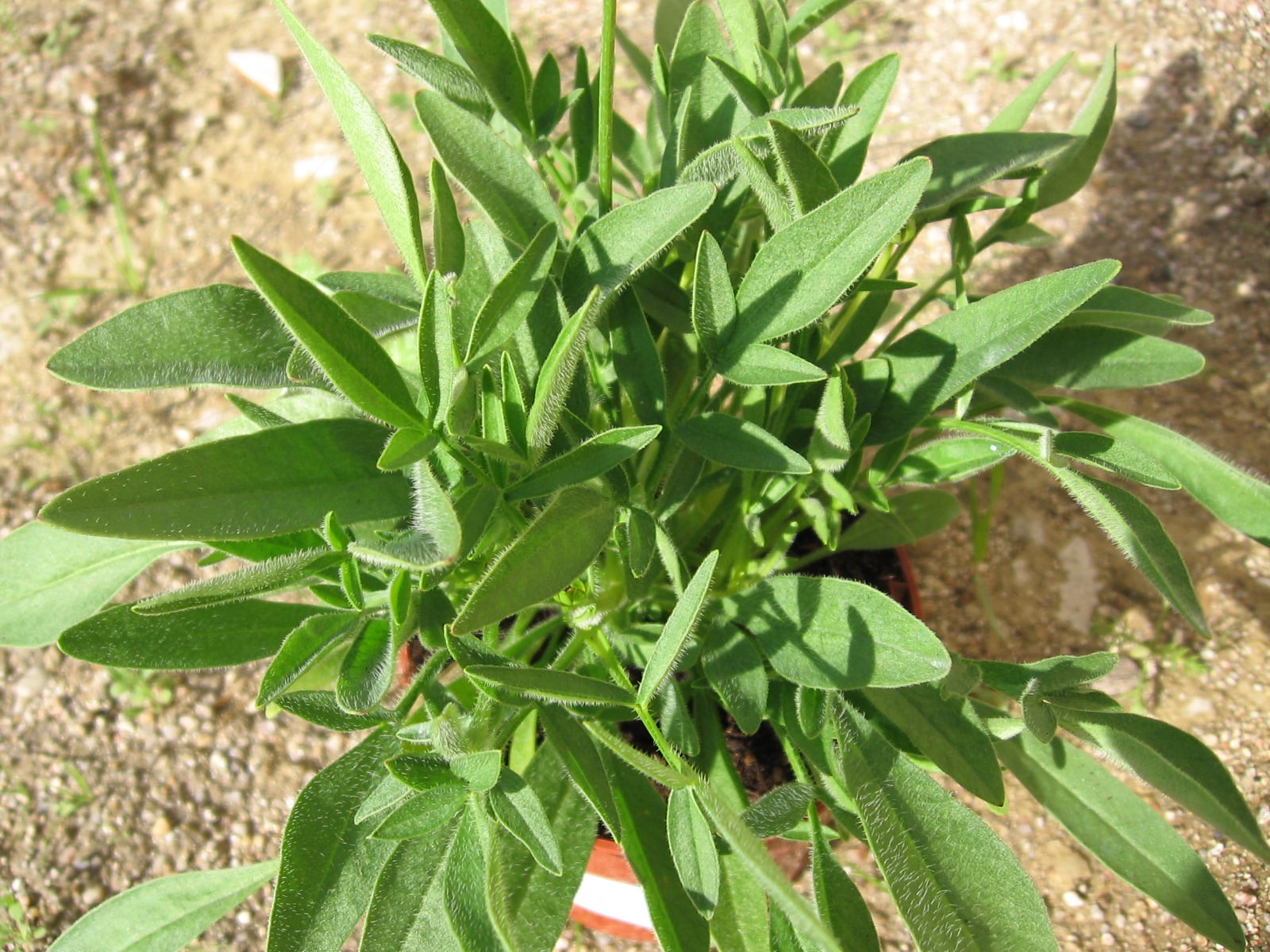
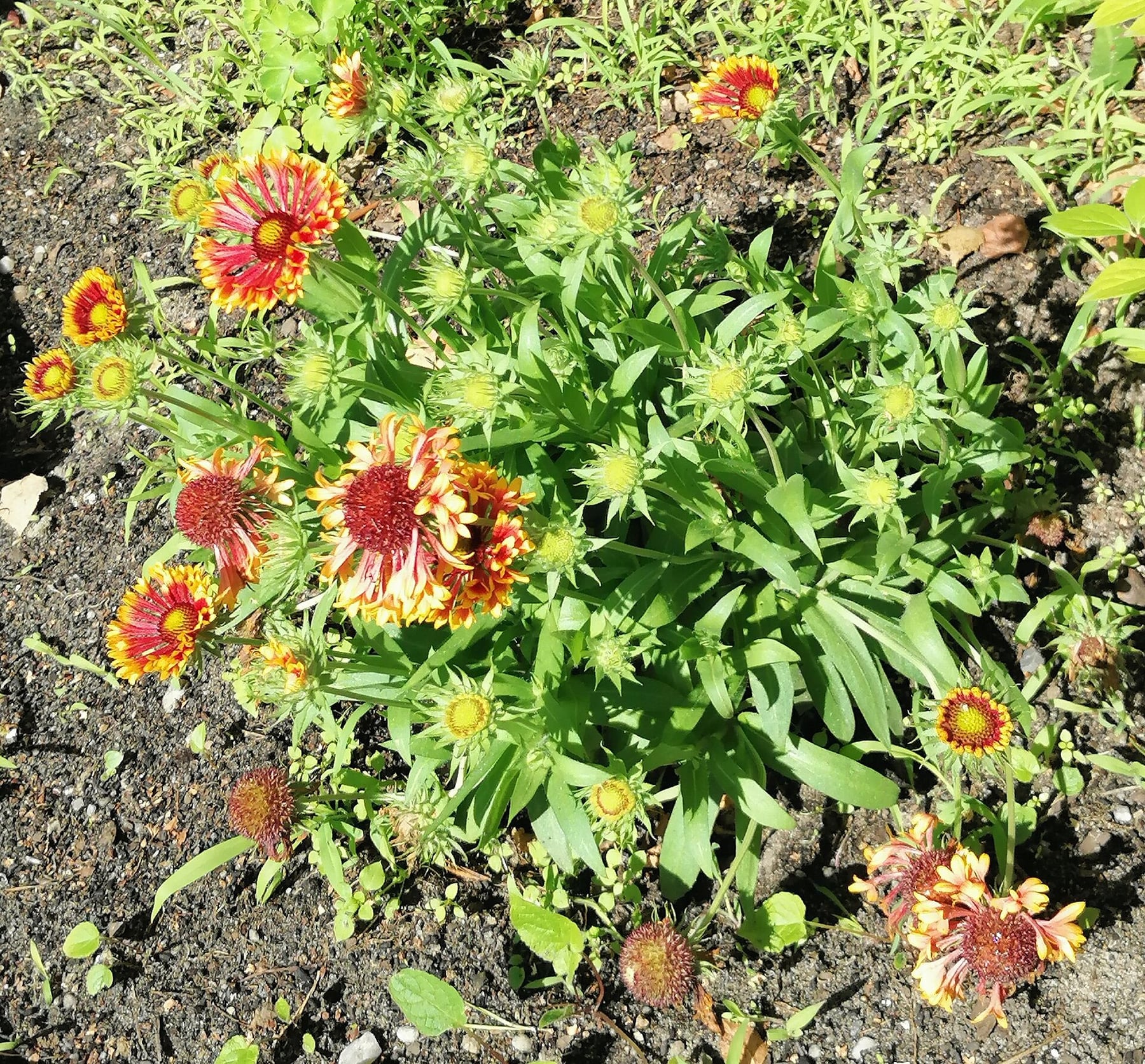
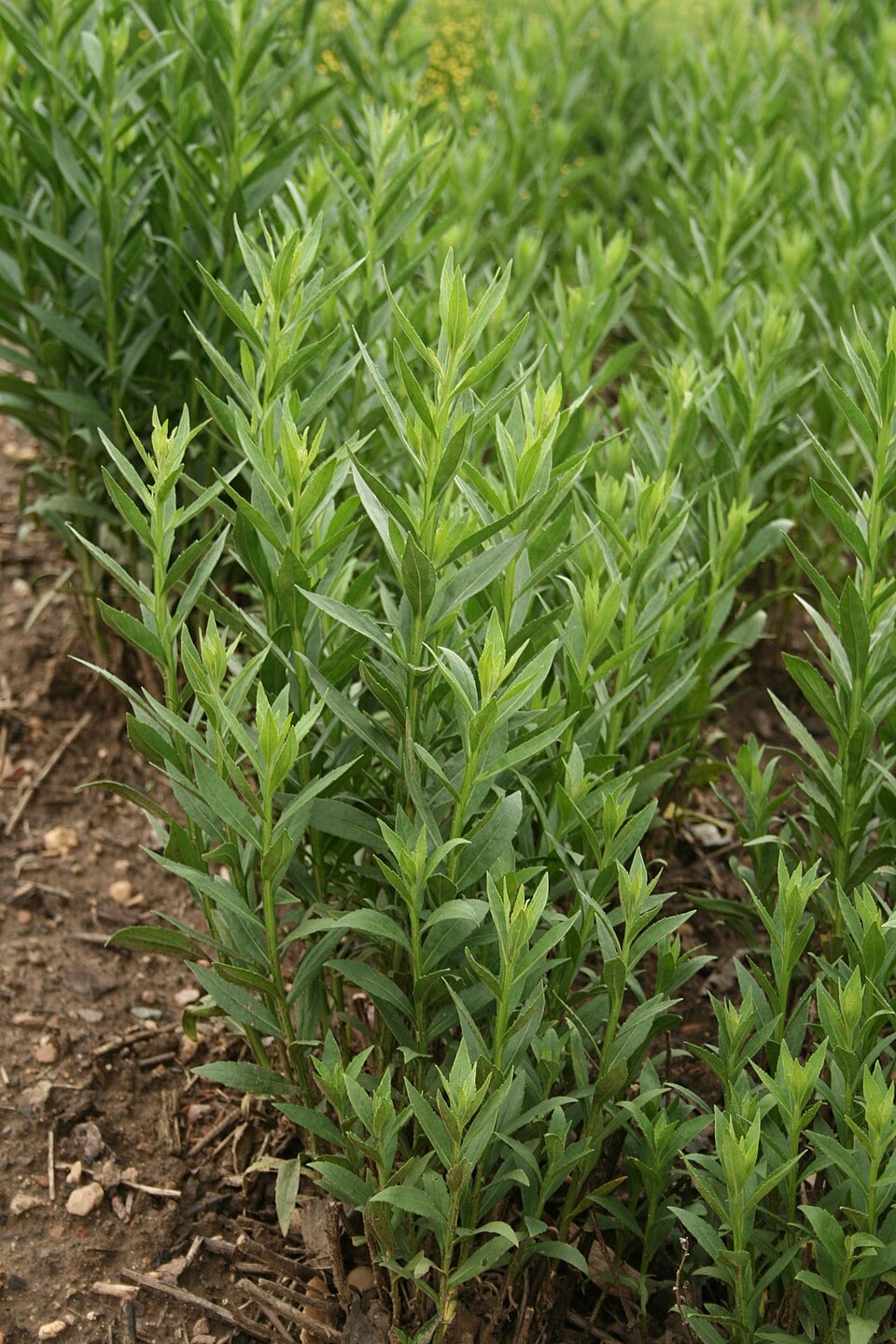
🍃 Leaves
Opposite, ovate, toothed, aromatic when crushed, giving off a smell close to bergamot
🌸 Flowers
Tubular, bright red, grouped in a tight flower head surrounded by coloured bracts, at the top of square stems
🍎 Fruits
Small dry achene (nutlet)
🌿 Stem and habit
Not applicable — herbaceous plant
Distribution, pollinators, uses
🗺️ Distribution
Native to eastern North America
🐝 Value for pollinators
Nectar-rich flowers, very attractive to bees, butterflies and, in its native range, hummingbirds
✂️ Horticultural uses
Borders, beds, aromatic gardens; leaves used as an infusion for their scent close to Earl Grey tea
⚠️ Possible toxicity
No known toxicity; leaves edible, traditionally used as an infusion.
🌿 Other Lamiaceae to discover
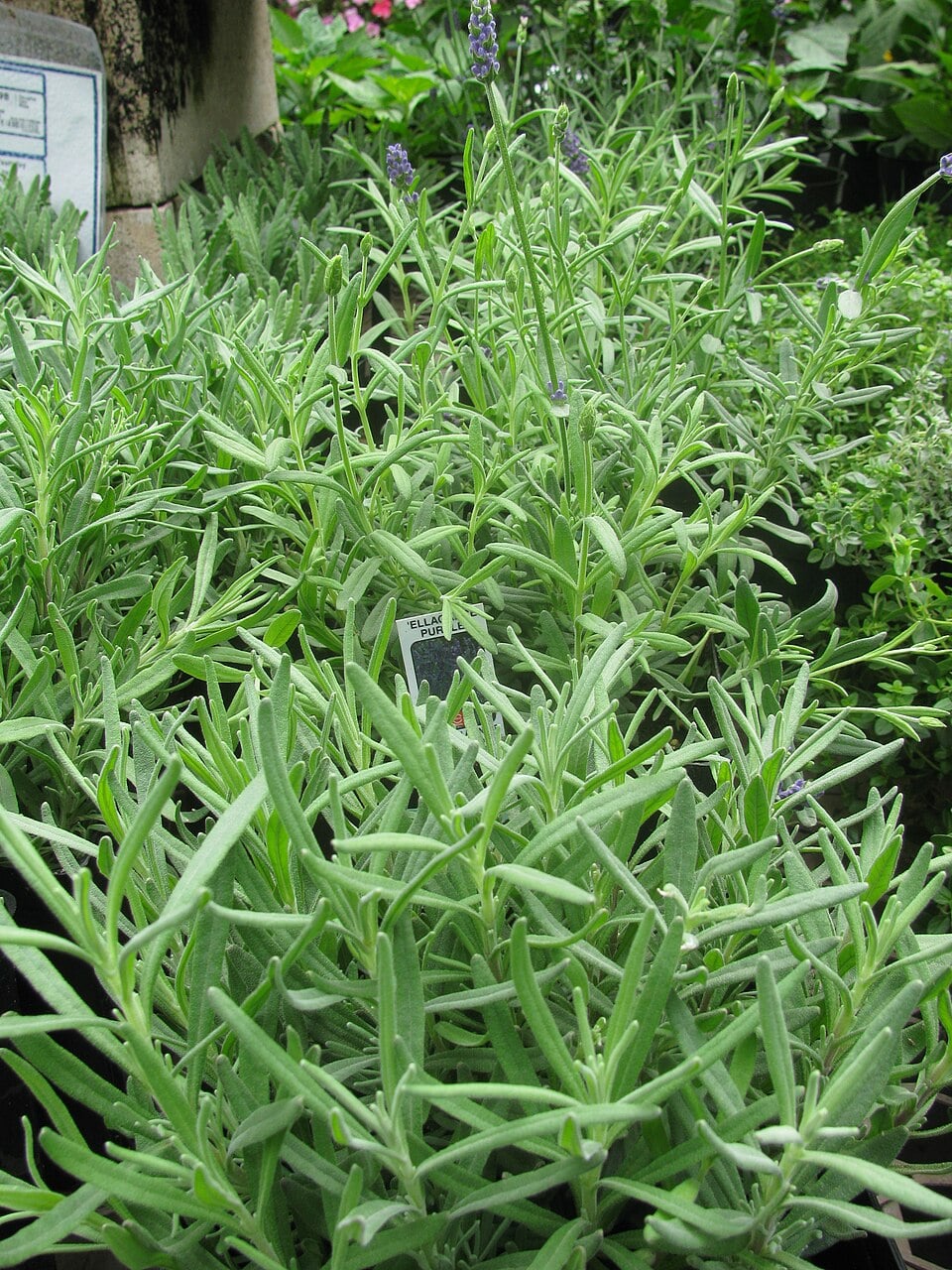
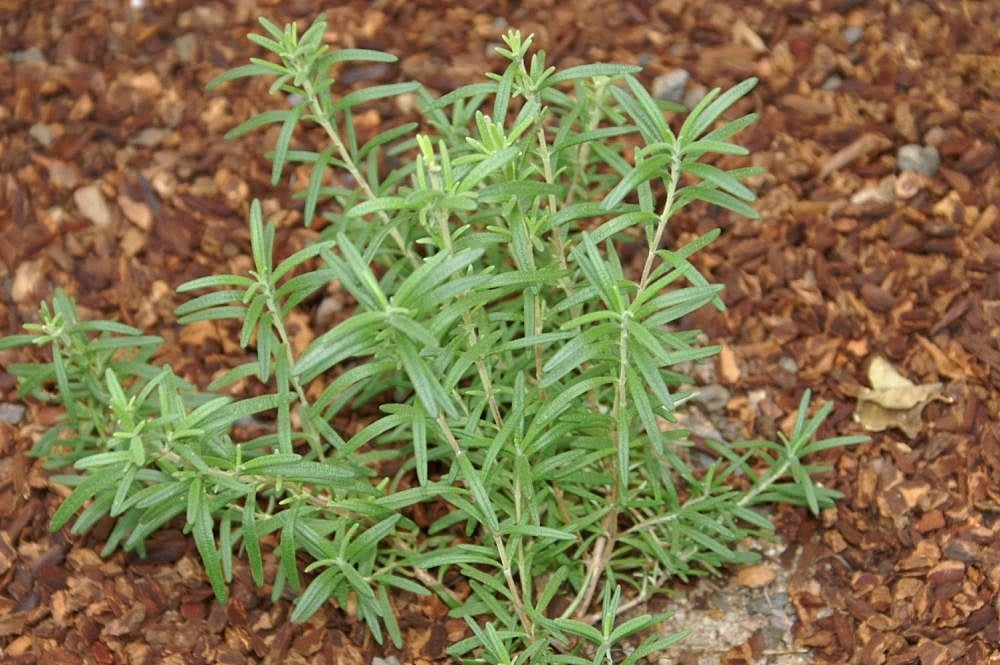
ℹ️ Educational profile — do not use it to judge whether a plant is edible or safe.
🌱 This database is constantly evolving — species and information are added and corrected regularly. Spotted a mistake? Report it below.
© Floraneo — profile content is protected; reproduction without permission is prohibited. Photos remain under their own licence (see the credit shown on each photo).