Leaf
Jean-Jacques Houdré, Tela Botanica · CC BY-SA 2.0
- 10 to 15 cm tall
- Open woodland, meadows, gardens, cool soils
- Part shade
- Hardy to -25°C
In flower from February to April
3 months❓ How do you recognise this plant?
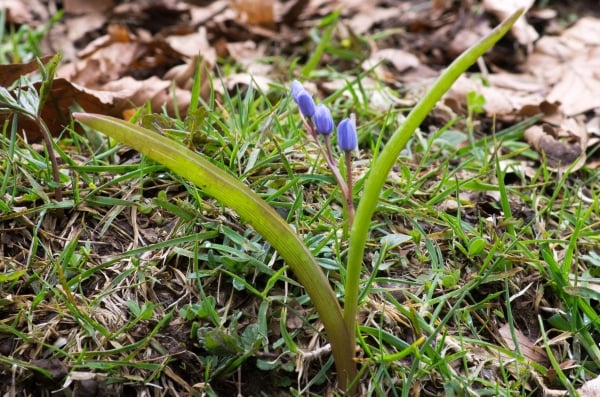
Its carpets of bright blue flowers on the woodland floor announce, together with snowdrops, the arrival of spring.
Learn to recognise it
Rare and collector perennials. This plant is in the lesson “Rare and collector perennials”, with 10 others.


🍃 Leaves
Two narrow, fleshy leaves per bulb, bright green
🌸 Flowers
Small bright blue stars in a loose raceme
🍎 Fruits
Small globose capsules
🌿 Stem and habit
Underground bulb, short flower stalk
Distribution, pollinators, uses
🗺️ Distribution
Central and eastern Europe; rare and localised in open woods and meadows in France (mainly the north-east).
🐝 Value for pollinators
Very early blue flowers, rich in pollen for the first bees of spring.
✂️ Horticultural uses
Naturalising in lawns and light woodland, rock gardens; early blue flowering in a light carpet.
⚠️ Possible toxicity
Bulb toxic if ingested (cardiotonic glycosides/bufadienolides), like other Liliaceae/Asparagaceae.
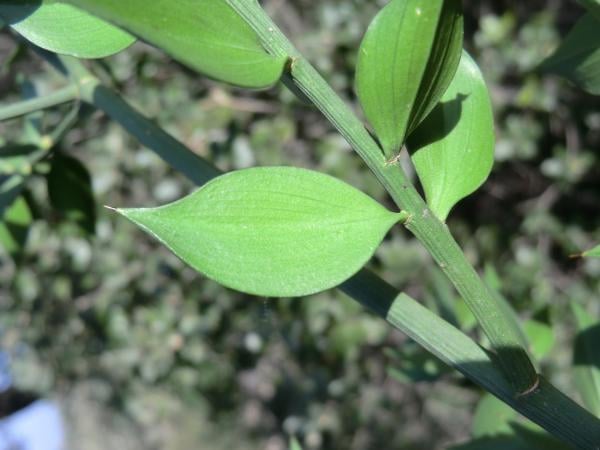
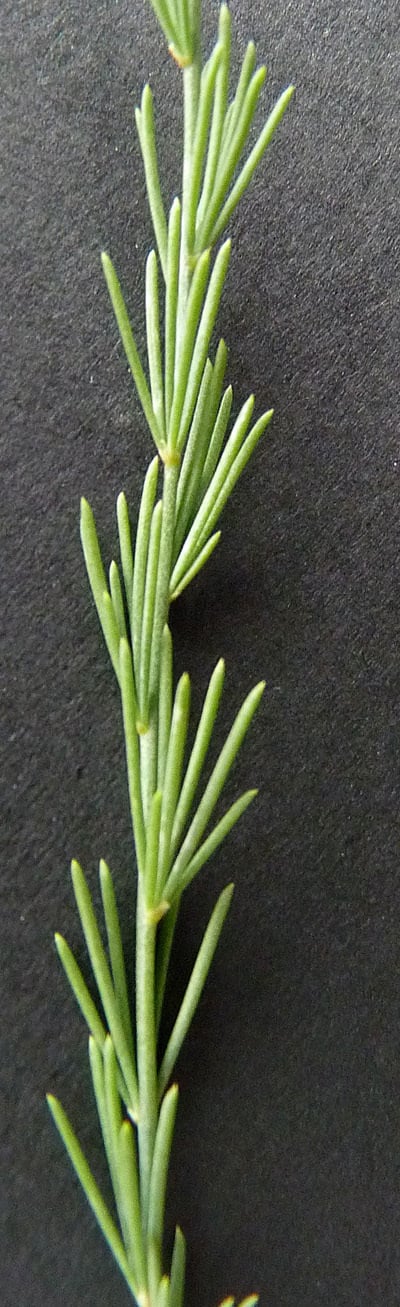
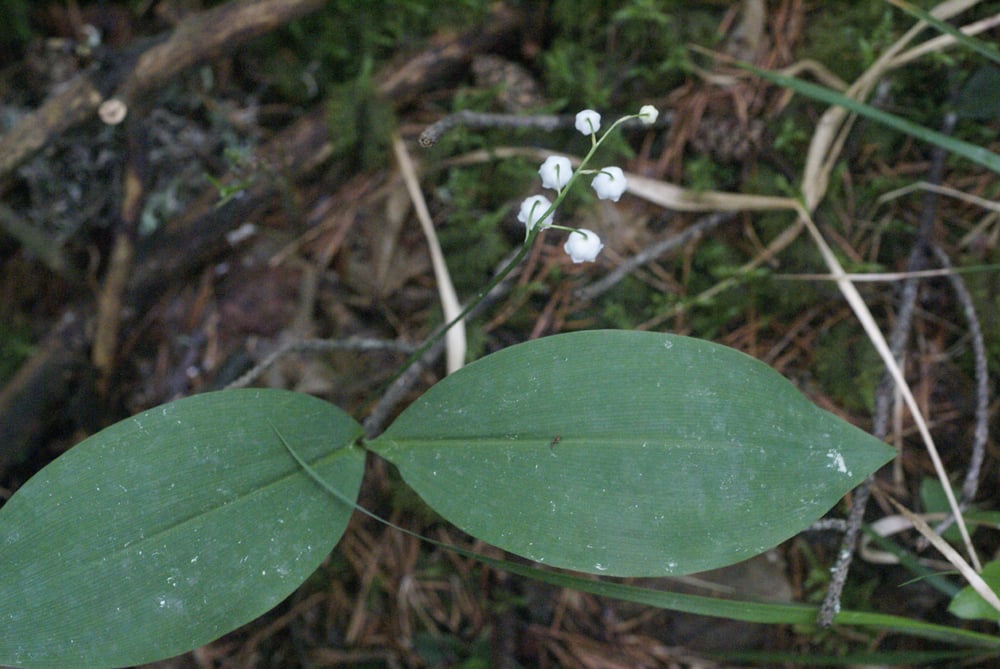
🌿 Other Asparagaceae to discover
ℹ️ Educational profile — do not use it to judge whether a plant is edible or safe.
🌱 This database is constantly evolving — species and information are added and corrected regularly. Spotted a mistake? Report it below.
© Floraneo — profile content is protected; reproduction without permission is prohibited. Photos remain under their own licence (see the credit shown on each photo).