Leaf
Pierre Bonnet, Tela Botanica · CC BY-SA 2.0
Agapanthus
Agapanthus africanus (L.) Hoffmanns.
Also known as: African lily, Lily of the Nile
Family: Amaryllidaceae
40 to 70 cm tall
Planted in sunny borders and beds, also grown in pots
Flowering: July – September
Full sun
Fairly hardy, to about -10°C depending on variety, to be protected in winter in the north
❓ How do you recognise this plant?
The name "agapanthus" comes from the Greek agape (love) and anthos (flower) — the "flower of love", referring to the beauty of its blue umbels.
🍃 Leaves
Strap-shaped, evergreen or semi-evergreen, in a basal clump
🌸 Flowers
Bright blue to blue-violet, grouped in large spherical umbels at the top of a long flower stalk
🍎 Fruits
Dry 3-chambered capsule
🪵 Bark
Herbaceous perennial formed of fleshy rhizomes.
🗺️ Distribution
Native to South Africa; widely grown in France, especially in the south and on the coast
🐝 Value for pollinators
Large nectar-rich umbels, much visited by bees and butterflies in summer
✂️ Horticultural uses
Perennial for borders or pots, valued for its large blue umbels in midsummer
⚠️ Possible toxicity
Sap irritating to the skin and mucous membranes (irritation, rash, even skin ulceration on contact); toxic if ingested, causing mouth irritation, vomiting and diarrhoea, particularly in cats and dogs.
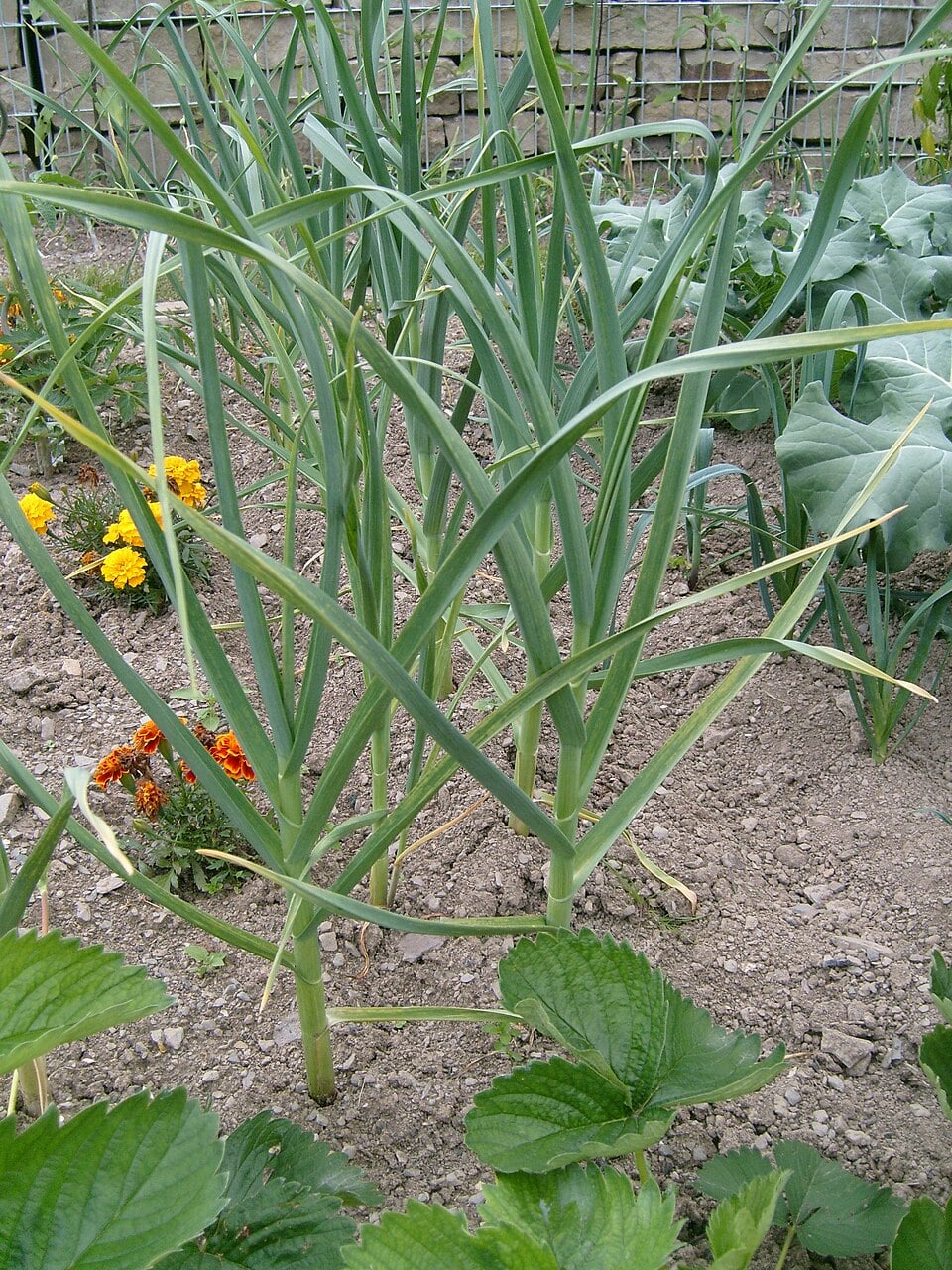
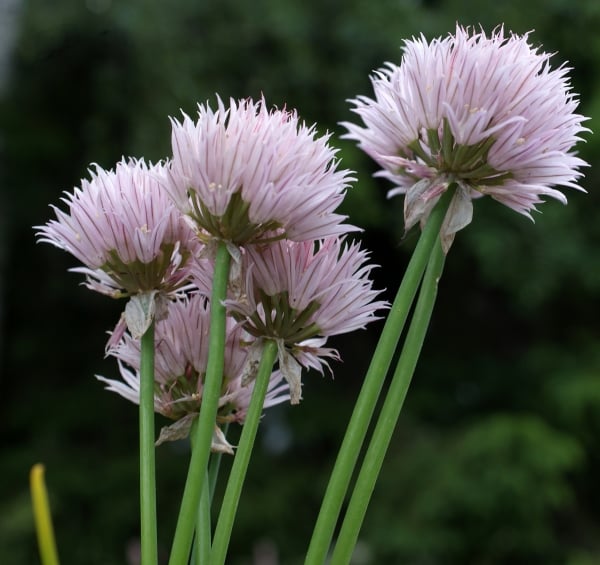
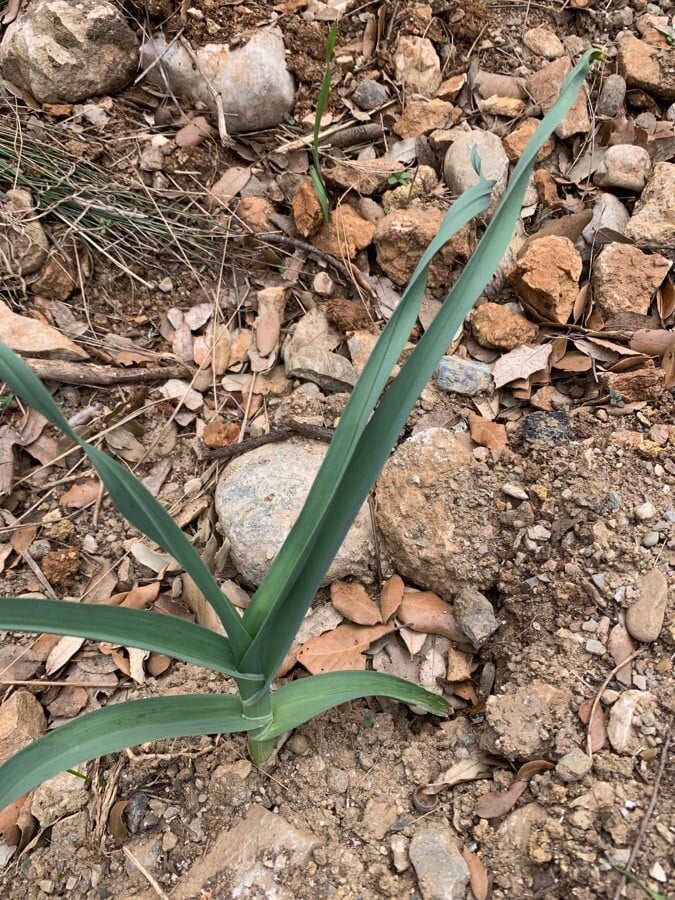
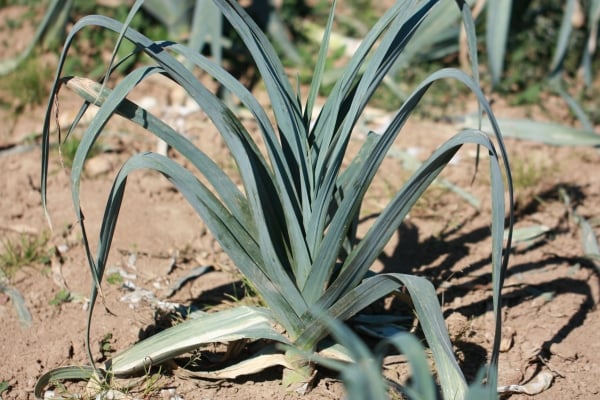
🌿 Other Amaryllidaceae to discover
ℹ️ Educational profile — do not use it to judge whether a plant is edible or safe.
🌱 This database is constantly evolving — species and information are added and corrected regularly. Spotted a mistake? Report it below.
© Floraneo — profile content is protected; reproduction without permission is prohibited. Photos remain under their own licence (see the credit shown on each photo).