Leaf
Bibliothèque de l'Université Laval, Wikimedia · CC BY-SA 4.0
Winterberry
Ilex verticillata (L.) A.Gray
Also known as: Common winterberry, Michigan holly
Family: Aquifoliaceae
1.5 to 3 m tall
Damp borders and wetland edges; a deciduous species, unlike common holly
Flowering: June (inconspicuous flowering)
Full sun
Part shade
Hardy to about -25°C
❓ How do you recognise this plant?
Unlike the evergreen common holly, it loses its leaves in autumn — which shows off its bright red berries even more, clinging to the bare branches all winter.
🍃 Leaves
Deciduous, ovate, toothed, not spiny, mid-green
🌸 Flowers
Small, white, inconspicuous; dioecious species
🍎 Fruits
Very numerous bright red berries, persisting on the bare branches all winter after leaf fall
🪵 Bark
Grey, slender twigs
🗺️ Distribution
Native to eastern North America, wetlands
🐝 Value for pollinators
Inconspicuous nectar-rich flowers, visited by bees
✂️ Horticultural uses
Planted for its spectacular red berries on bare wood in winter, needs a male plant nearby to fruit
⚠️ Possible toxicity
Berries toxic if ingested in quantity
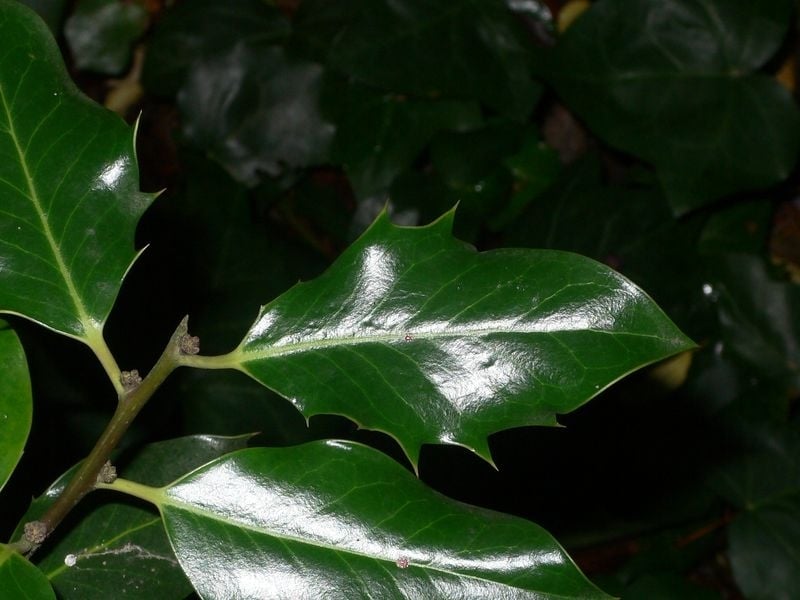
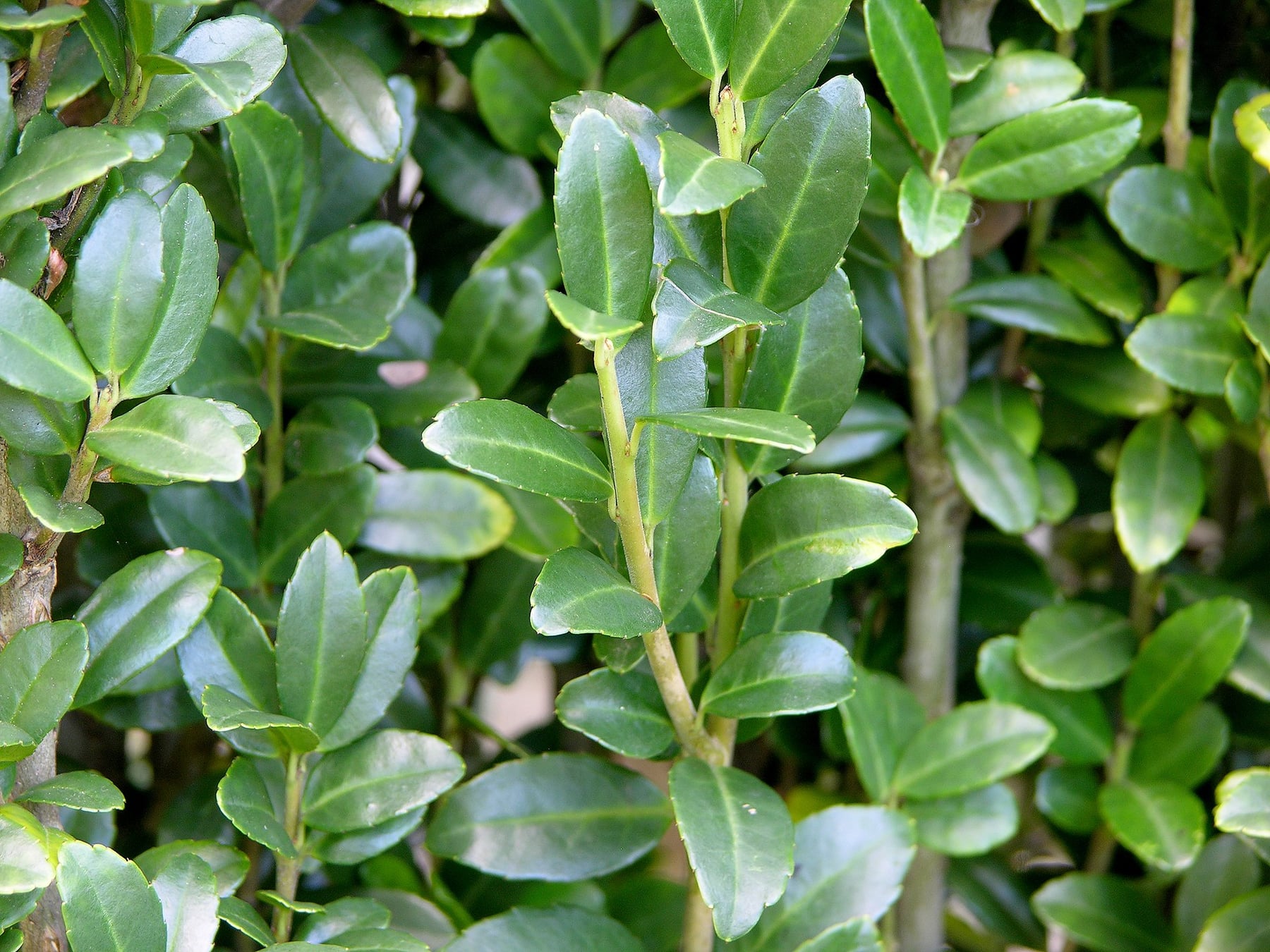
🌿 Other Aquifoliaceae to discover
ℹ️ Educational profile — do not use it to judge whether a plant is edible or safe.
🌱 This database is constantly evolving — species and information are added and corrected regularly. Spotted a mistake? Report it below.
© Floraneo — profile content is protected; reproduction without permission is prohibited. Photos remain under their own licence (see the credit shown on each photo).